Are Cigarettes Worse Than Vaping? The Direct Answer
Are cigarettes worse than vaping is a question with a clear evidence-based answer: yes, cigarettes carry significantly higher health risk than vaping, mainly because burning tobacco creates thousands of toxic compounds that vaping simply doesn’t produce. This isn’t a close call in the research, and it’s worth stating plainly since a surprising number of people, including current smokers, genuinely believe the opposite.
This answer doesn’t mean vaping is risk-free, and it shouldn’t be read that way. It means that between the two specific products, when comparing actual chemical exposure and documented health outcomes, cigarettes are the clearly more harmful option, and understanding why helps make sense of a lot of the confusion around this topic.
Table of Contents
Why This Question Gets Asked So Often (And Why People Get It Backwards)
Is vaping or cigarettes worse comes up constantly, partly because vaping is newer and its long-term risks are less established in the public consciousness than decades of well-documented cigarette research. A study highlighted by the Medical University of South Carolina’s Hollings Cancer Center found that a notable share of adult smokers actually believe vaping is equally or more harmful than smoking, a misconception that runs directly counter to the current body of evidence.
This backwards perception has real consequences. Smokers who believe vaping carries the same or greater risk have less incentive to consider switching, even though switching fully to vaping is one of the more effective harm-reduction options available for people who aren’t ready or willing to quit nicotine entirely. Understanding whats worse, cigarettes or vapes, in clear terms directly affects real decisions people make about their health.
Is Nicotine Harmful on Its Own? Separating Nicotine From Combustion
Is nicotine harmful on its own is a question that needs answering before the cigarettes vs vaping comparison makes full sense, since nicotine is the one ingredient both products share. Nicotine is addictive and does raise heart rate and blood pressure temporarily, effects worth taking seriously, particularly for anyone with existing cardiovascular conditions. But nicotine on its own, without the combustion byproducts found in cigarette smoke, is not considered a primary driver of cancer or the severe lung damage associated with smoking, a distinction covered in a lot more depth in nicotine in a cigarette vs vape.
This separation matters enormously for the are cigarettes worse than vaping question specifically, because it isolates what’s actually causing most of smoking’s serious harm. Nicotine is the shared ingredient, but combustion is the variable that changes everything about the risk profile.
How Much Nicotine Is in a Cigarette?
How much nicotine is in a cigarette is a specific, frequently searched question worth answering precisely. A typical cigarette contains around 10 to 12mg of nicotine in the tobacco itself, though the amount actually absorbed into the bloodstream is considerably lower, generally estimated at 1 to 2mg per cigarette due to combustion losses and incomplete inhalation. How many mg of nicotine in a cigarette gets absorbed versus how much exists in the raw tobacco is exactly this distinction, total content and absorbed amount are two different numbers, and conflating them is a common source of confusion in nicotine comparisons generally.
Vape nicotine content, by contrast, ranges much more widely depending on device and e-liquid strength, covered in full detail in the nicotine in a cigarette vs vape comparison, which breaks down exactly how vape nicotine levels stack up against a cigarette’s absorbed dose across different device types.
Can Cigarettes Make You Sick? What Actually Causes the Damage
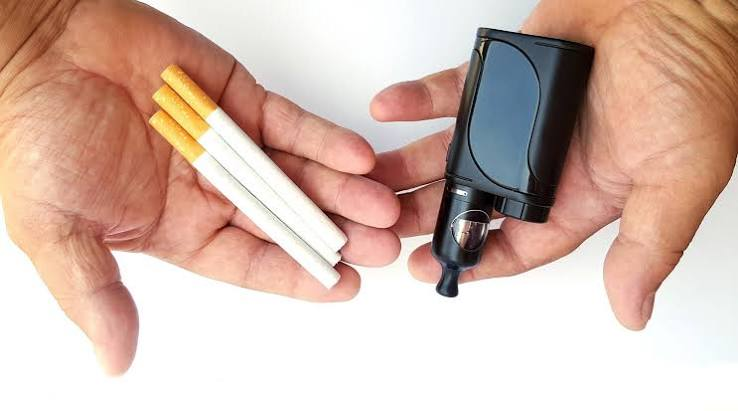
Can cigarettes make you sick is really asking about the mechanism behind smoking-related illness, and the answer traces directly back to combustion. Burning tobacco at roughly 600 degrees Celsius creates cigarette smoke containing around 7,000 chemicals, with at least 70 recognized as carcinogens according to CDC data. Tar buildup from this combustion process is what drives most of smoking’s lung damage, alongside carbon monoxide exposure that reduces the blood’s oxygen-carrying capacity and contributes to cardiovascular strain over time.
Vaping doesn’t produce tar or carbon monoxide, since there’s no combustion involved, a heating coil vaporizes e-liquid at roughly 200 to 250 degrees Celsius rather than burning anything. This combustion versus heating distinction is the core reason vaping vs smoking research consistently finds vaping carries substantially lower risk across nearly every measured health category.
Whats Worse, Cigarettes or Vapes? Breaking It Down by Risk Category
| Risk Category | Cigarettes | Vaping |
| Lung cancer risk | High, well established | Significantly lower, though long-term data is more limited |
| Tar exposure | High | None |
| Carbon monoxide exposure | Significant | None |
| Carcinogen count | 70+ established carcinogens | Far fewer, mostly trace levels |
| Cardiovascular impact | High, combustion byproducts plus nicotine | Lower, nicotine effects only |
| Secondhand exposure risk | Established, significant | Present but substantially lower |
This table lays out the core comparison clearly across multiple categories rather than treating “worse” as a single vague judgment. Nearly every measured category shows cigarettes carrying meaningfully higher risk, which is exactly why public health agencies including the FDA and CDC consistently frame vaping as a lower-risk alternative for adult smokers specifically, not as a risk-free product for anyone.
Is the Safest Way to Consume Nicotine Actually Vaping?
Safest way to consume nicotine is a fair question, and the honest answer depends on ranking nicotine delivery methods by combustion involvement and absorption speed rather than assuming any single method is universally “safest.” Nicotine replacement therapies like patches and gum generally carry the lowest risk profile since they avoid inhalation entirely. Vaping ranks below those but well above smoking, since it avoids combustion while still involving inhalation of an aerosol. Traditional cigarettes and other combustible tobacco products consistently rank as the highest-risk nicotine delivery method available.
This ranking matters practically for anyone specifically trying to reduce risk while still using nicotine, since it reframes the question away from “is vaping safe” in isolation and toward “which nicotine delivery method carries the least risk,” a more useful framing for anyone actually weighing real options.
Switching From Smoking to Vaping: What Actually Happens
Switching from smoking to vaping, or switching from cigarettes to vapor as it’s sometimes searched, generally follows a fairly predictable pattern based on both research and real-world switching experiences. A randomized controlled trial published in the New England Journal of Medicine found e-cigarettes roughly twice as effective as traditional nicotine replacement therapy for smoking cessation at the one-year mark, a meaningful data point for anyone considering the switch specifically to quit cigarettes.
A few realistic expectations worth setting before switching:
- Nicotine strength matching matters since starting too low often leads people back to cigarettes out of frustration
- Some people end up using both cigarettes and vapes simultaneously (dual use), which doesn’t deliver the full risk reduction of a complete switch
- The physical sensation differs from smoking, even at a matched nicotine level, since vapor and cigarette smoke aren’t chemically identical
- A full switch, not partial use, is where the real risk reduction happens, based on current research comparing full switchers against continued or dual smokers
Best Vape for Quitting Smoking: What to Actually Look For
Best vape for quitting smoking isn’t really about a single specific device, it’s about matching a few practical factors to an individual’s actual smoking habit. Nicotine salt-based pod systems tend to work well for this purpose since they deliver a faster, closer-to-cigarette nicotine curve than lower-strength freebase e-liquid setups. Battery capacity matters too, since a device that needs frequent recharging can genuinely derail an early switch attempt, a factor covered in more technical depth in 18650 vs 21700 battery for anyone comparing higher-capacity mod options specifically.
A few practical points worth considering when picking a device for quitting purposes:
- Match nicotine strength to smoking habit rather than defaulting to the lowest available option
- Prioritize simplicity for a first device, complicated settings and maintenance can discourage consistent use during an already difficult transition
- Consider battery life and charging convenience, since a dead device at a craving moment often leads straight back to cigarettes
- Expect some trial and error, since the right nicotine strength and device type varies significantly from person to person
Secondhand Exposure: Another Angle on Are Cigarettes Worse Than Vaping
The are cigarettes worse than vaping comparison extends beyond the person actually smoking or vaping, and secondhand exposure is worth addressing directly since it affects a different group entirely, people who share living spaces, cars, or workplaces with a smoker or vaper. Secondhand cigarette smoke is a well-documented health hazard, linked by the CDC to heart disease and lung cancer risk in nonsmokers who are regularly exposed. This risk comes from the same combustion byproducts responsible for the primary smoker’s own health risk, just at lower concentration for bystanders.
Secondhand vape aerosol contains a far shorter chemical list and disperses more quickly than cigarette smoke, since there’s no continuously burning material releasing smoke between puffs the way a lit cigarette does. That said, secondhand vape exposure isn’t zero, and nonsmokers, particularly children, shouldn’t be regularly exposed to any nicotine-containing aerosol regardless of how much lower the chemical load compares to cigarette smoke. Most indoor smoking and vaping restrictions exist for legitimate reasons on both counts, even though the actual exposure levels differ substantially between the two.
Where the Evidence Actually Lands
Stepping back, are cigarettes worse than vaping isn’t a genuinely contested question in current research, cigarettes carry substantially higher documented health risk across nearly every measurable category, driven almost entirely by combustion byproducts that vaping avoids. This finding is consistent with the broader pattern established across vaping vs smoking research generally, and it holds regardless of which specific comparison angle gets examined.
None of this makes vaping risk-free or appropriate for nonsmokers, and it shouldn’t be read as an endorsement to start vaping from zero. But for an adult smoker weighing whether continuing to smoke or switching to vaping carries more risk, the evidence points clearly in one direction, and clearing up that backwards perception is genuinely one of the more useful things public health messaging around this topic could do better.
Frequently Asked Questions
Is vaping or cigarettes worse for your health?
Cigarettes carry substantially higher health risk than vaping across nearly every measured category, primarily because burning tobacco produces thousands of toxic compounds that vaping avoids entirely. Vaping isn’t risk-free, but current evidence consistently places it well below smoking in terms of documented harm.
Whats worse, cigarettes or vapes, for cancer risk specifically?
Cigarettes carry a much higher established cancer risk due to the dozens of carcinogens created through tobacco combustion. Vaping’s carcinogen exposure is far smaller and mostly limited to trace levels, since there’s no combustion involved in how e-liquid is heated.
Is nicotine harmful on its own, separate from smoking?
Nicotine is addictive and does raise heart rate and blood pressure temporarily, which matters especially for people with existing cardiovascular conditions. On its own, without tobacco smoke’s combustion byproducts, nicotine is not considered a primary cause of cancer or serious lung damage.
What is the safest way to consume nicotine?
Nicotine replacement therapies like patches and gum generally carry the lowest risk since they avoid inhalation entirely, followed by vaping, which avoids combustion but still involves inhaling an aerosol. Combustible cigarettes consistently rank as the highest-risk method of nicotine delivery.
Can switching from cigarettes to vaping actually help you quit smoking?
Research, including a randomized controlled trial published in the New England Journal of Medicine, found e-cigarettes roughly twice as effective as traditional nicotine replacement therapy for smoking cessation at one year. Success depends heavily on matching nicotine strength and committing to a full switch rather than using both products together.

