

How this list was made, before the list: we read the current independent best-pod roundups and counted which systems keep getting named, then verified every spec and price below against retailer and manufacturer listings. Brand-owned ‘best pod’ articles were excluded from the count, because a maker’s own list naming its own device proves nothing. What survives that filter is a short, stable picture: four families divide nearly every serious list for 2026, and the differences between them are real but narrow. Researched November 2026.
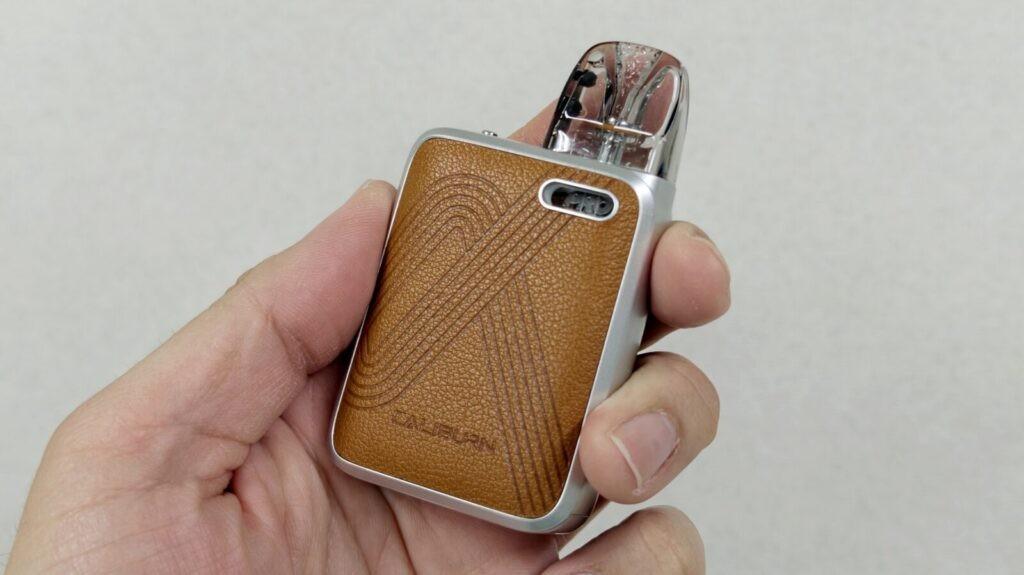
Table of Contents
What Actually Separates Pod Systems
| Criterion | Why it decides | What good looks like |
|---|---|---|
| Pod ecosystem | You are buying years of pods, not one device | Pods that fit many devices in the line, several resistances, available everywhere |
| Battery and charging | A dead pod at 6 pm is a failed system | 1,500 mAh class or better; fast USB-C charging |
| Pod life | The running cost nobody advertises | A pod lasting toward two weeks, not days |
| Fill system | The daily friction point | Top-fill or clean side-fill that does not need the pod removed |
| Draw range | One device must cover your habit | Pod resistances spanning tight MTL to restricted lung |
The Consensus Picks
Best overall, by consensus: the Vaporesso XROS family
The XROS line appears in effectively every independent roundup we counted, and takes the top all-rounder slot in most of them. The reason is structural: every XROS pod fits every XROS device, so the ecosystem test is passed by design, and the range spans the simple XROS 5 Mini (1,500 mAh, about $13.99 at US retail when we checked) through the XROS 5 (1,500 mAh, up to 30 W, about $23.99) to the Pro 2 (2,000 mAh, about $31.99) and the newer XROS 6 generation the freshest lists are already naming. Buy the generation your budget reaches; the pods you stock will fit the next one.
Best for flavor and battery: Uwell Caliburn G5
The Caliburn family is second on nearly every list, and the G5 is its current flagship: 1,600 mAh (the largest battery in its class), up to 35 W, a screen that shows a real battery percentage, and three pods in the box, which almost nobody else does. Its GPP pods cross-fit the G3, G4 and G5 devices, passing the ecosystem test the other way. US pricing varies more than most, roughly $24 to $32 depending on the retailer. One measured review credits its Alpha pod with noticeably longer life than the category standard; treat that as one reviewer’s measurement, and the direction of the claim (longer pod life) is the part other lists agree with.
Best for flavor control: OXVA XLIM Pro
The XLIM Pro line is the pick that flavor-focused lists keep circling: tight, well-sealed pods with a reputation for clean flavor, adjustable power and airflow for people who like to tune (current Pro 3 brand specs: 1,500 mAh, 5 to 30 W, 3 mL top-fill pods). If the XROS is the default and the Caliburn the classic, the XLIM is the enthusiast’s pod, and its lists read that way.
Best value: GeekVape Wenax and Sonder Q lines
GeekVape’s simple pod lines take the value slots: draw-activated, metal-bodied, cheap to buy and cheap to run, with the Sonder Q 2 (1,350 mAh) named best value in the roundups and the Wenax Q family the budget beginner pick. They give up screens and tuning, which for a first or spare device is a fair trade.
The rugged lane, briefly
If your life destroys devices, GeekVape’s Aegis pod-mods are the lists’ answer: bigger, tougher, higher-powered pods that trade pocketability for survival. A niche pick, named here so the lane is not invisible.
The Warning Every Pick Shares
A pod system is a subscription to its pods wearing a one-time price. All four families above pass the tests that matter (pods cross generations, multiple resistances, stocked widely), and that is not a coincidence: it is why they are the consensus. Before buying anything outside this list, run the same tests on it, especially pod availability in two years, because a brilliant device with orphaned pods is a disposable with extra steps.
What pod systems are and how the three pod kinds differ is the pod systems guide; the box logic for a first purchase is in the starter kits guide, and the running-cost math that makes these systems cheaper than disposables is in the refillable vapes guide, with juice matching by pod resistance in the pod juice guide.
What Would Change This List
Pod generations roll yearly: this group’s own search data contains 2025-dated queries still looking for last year’s list. The families above have held their places across two generations now, which is the strongest signal available; a new entrant would need a pod platform with cross-device fit and a year of independent lists naming it before it displaces any of them. When you read a best list, including this one, check its date and buy the current generation of a proven family rather than the exact model a stale list crowned.
FAQ
What is the best pod system for a beginner?
By consensus and by design, a simple XROS or Wenax-class kit: draw-activated, one pod type to learn, pods available everywhere. Beginners need reliability and availability more than they need a screen.
XROS or Caliburn?
The honest answer is that the lists split and both are right: XROS for the widest pod compatibility and charging speed, Caliburn for battery size and the three-pod box. Owners of either rarely regret it; the mistake is a third option with no ecosystem.
Are last year’s pod systems (the 2025 picks) still fine?
Yes, with the generation rule: the 2025 lists name the same four families in their previous generations. A 2025 XROS 5 or Caliburn G4 at a discount is a rational buy, because their pods are the current pods.
How much should a good pod system cost?
At US retail, roughly $14 to $32 covers every pick on this page. Paying far above that buys screens and finishes, not better vapor; paying far below it usually means an orphaned pod platform.
Do these work with salt nic?
That is their native diet: all four families are built around 50/50 salts and freebase at MTL resistances, with lower-resistance pods available for restricted-lung use at lower strengths.