
Search “blu vape” and Google hands you a shopping aisle: retailer category pages, product listings, a trade-press launch story. What you will not find is anyone telling you the story behind the brand, which is the most interesting thing about it. Blu is the oldest Big Tobacco e-cigarette brand in the world, it has been bought and sold for billions, and it has survived by doing one thing consistently: making the simplest possible cigarette substitute.
This guide is the independent account no seller will give you: who owns blu, how the UK line got its current shape, what each device actually is, what the pods cost over a year, who should buy, who should not, and how blu compares to its tobacco-industry rival. We sell nothing, so this is the honest version.
The verdict in 60 seconds
Blu is a prefilled pod brand for smokers who want the smallest possible step away from cigarettes. No refilling, no coils, no settings: you click in a pod and inhale. The Blu 2.0 is the classic kit, the blu bar kit is the disposable-style successor built for the post-ban UK, and the blu box is the longer-lasting prefilled option. Pods come in two strengths, which is limiting, and prefilled pods cost far more over a year than a refillable kit. Buy blu if simplicity and familiarity beat everything else for you. Look elsewhere if you want choice, low running costs, or adjustable power.
What blu actually is
Blu is an e-cigarette brand owned by Imperial Brands, the British tobacco multinational, through its Fontem Ventures subsidiary. It has been around since May 2009, when Australian entrepreneur Jason Healy launched it in Charlotte, North Carolina, calling it “a lifestyle brand for smokers”. It was the first e-cigarette brand to be bought by Big Tobacco: Lorillard paid about $135 million for it in 2012 and pushed it into the UK by acquiring the local Skycig brand. When R.J. Reynolds bought Lorillard, antitrust concerns forced a sale, because Reynolds already owned Vuse, so blu went to Imperial Brands in a $7.1 billion deal.
That ownership history matters because it explains everything about blu’s products. This is not a brand that grew out of vape culture. It was built by tobacco companies for cigarette smokers, and every design decision still reflects that: cigarette-like draw, tobacco and menthol at the centre of the flavour range, pods instead of bottles, and devices that look reassuringly like something you already know. In 2015 blu was the second most popular e-cigarette brand in the US, and while its American fortunes have been hit by FDA marketing denials against several myblu products, the UK line carries on as one of the oldest names on British shelves.
A short history of blu in the UK
Blu arrived in Britain through Skycig, the homegrown cigalike brand Lorillard bought for $48.5 million. Skycig was dissolved in 2014 and everything became blu. The early years were the cigalike era: little battery sticks that looked like cigarettes and used prefilled cartomisers.
Then came blu PRO, the first attempt at a more serious kit, and myblu, the pod system Imperial launched to modernise the line. Myblu was a proper pod kit for its time, and its liquidpods carried the brand through the late 2010s. In late 2022 Imperial joined the disposable gold rush with the blu bar, a 600-puff single-use device that rolled out through convenience stores and forecourts.
The single-use ban ended that chapter. Since 1 June 2025, disposable vapes cannot legally be sold in the UK, and blu’s answer was to convert the bar idea into a rechargeable format: the blu bar kit, a rechargeable bar-style device with prefilled pods in the flavours disposable users were buying. That is where the brand stands today: three prefilled pod devices and a bottled e-liquid range, all aimed at the same audience it has chased for seventeen years, the smoker who wants vaping to feel effortless.
The current UK line-up, decoded
This is where buyers get confused, because blu’s naming overlaps. There are three devices and one liquid range, and here is what each actually is.
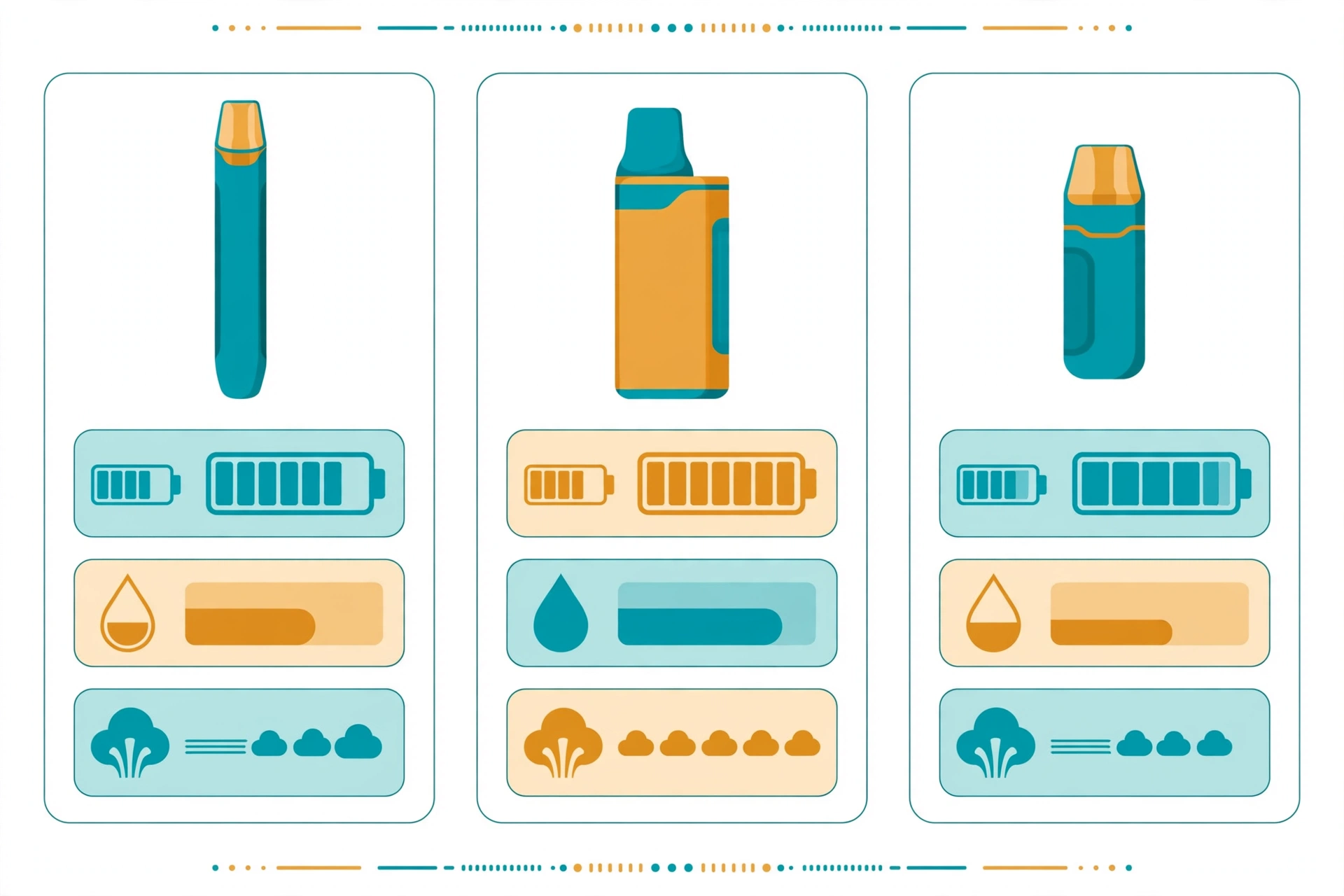
Blu 2.0 is the classic prefilled pod kit. A slim 400mAh device, draw-activated, mouth-to-lung only, no buttons and no settings. It takes prefilled Blu 2.0 pods with ceramic coils, sold in packs of two, each pod holding 1.9ml and delivering roughly 600 puffs. Pods come in 9mg and 18mg strengths. The flavour range leans classic: tobacco blends like Golden Tobacco, mints like Fresh Mint and Polar Menthol, and fruits like Berry Mix, Blueberry Ice and Mango Ice. Device and pods are sold separately, so factor both into the cost.
Blu bar kit is the disposable successor. It looks like a bar-style disposable, but it is rechargeable and takes replaceable prefilled pods. This is the kit Imperial built for the post-ban market: the same grab-and-go feel as the old blu bar disposable, in a legal reusable format. Pod 2-packs come in eleven flavours, including Blueberry Ice, Lemon Lime, Strawberry Ice, Berry Mix, Kiwi Passionfruit, Mint, Apple, Grape, Banana Ice, Blueberry Cherry and Triple Melon. If you used the old blu bar disposable, this is its direct replacement.
Blu box is the long-life prefilled option. A bigger 560mAh prefilled pod kit with about 1000 puffs per pod, draw-activated, mouth-to-lung. It sits between the 2.0 and the bar kit on battery and pod life. Think of it as blu’s answer to buyers who found the smaller devices needed recharging too often.
Myblu e-liquids are the bottled range: 10ml bottles in 9mg and 18mg, sold for use in refillable devices rather than blu’s own closed kits. Flavours include Strawberry Mint, Berry Swirl, Green Apple, Menthol, Blueberry, Polar Mint, Cherry and Tropic Tonic. They exist for vapers who liked blu’s flavours but moved on to refillable hardware.
The prefilled pod problem
Here is the honest trade-off, and it is the same one every prefilled brand shares. Convenience has a price, and you pay it forever.
A prefilled pod costs several times more per millilitre than bottled e-liquid. Over a year, a daily vaper on prefilled pods spends a multiple of what the same vaper would spend on a refillable pod kit and 10ml bottles. The device is cheap or even subsidised, the pods are where the money is made, and that is the business model. Blu is not worse than its rivals at this, but it is not better either, and its pods are proprietary, so you cannot shop around for cheaper compatible pods the way you can with bottled liquid.
Choice is the second cost. Two strengths, 9mg and 18mg on the Blu 2.0 pods, means there is no gentle middle step and no zero-nicotine option in blu’s own pods. The flavour range is narrower than a refillable’s, and you cannot try the thousands of independent e-liquids that refillable users take for granted. If you know you will want to experiment with flavours or step your nicotine down gradually, a closed system will feel like a cage within months. Our best refillable vape guide shows what the open side of the market looks like.
The post-ban UK maths
Since 1 June 2025, single-use disposables cannot legally be sold in the UK. Blu’s whole current line is reusable, so it sits on the right side of the ban, and the blu bar kit exists precisely because of it. For an ex-disposable user, the bar kit is the most familiar legal landing spot blu offers.
The running cost maths are simple. A prefilled pod user buys pods continuously, and each pod holds under 2ml. A refillable user buys the device once and then 10ml bottles of e-liquid, which cost a fraction per millilitre. Over a year the gap is large and it never closes: the prefilled habit is structurally more expensive, month after month. Blu’s pods are competitively priced within the prefilled world, so this is not a blu-specific complaint, it is the price of the format. If lowest cost is your priority, the format matters more than the brand.
One legal note that applies to every brand on this page: you must be 18 or over to buy any vape in the UK, and our UK vaping age rules guide covers the current law in full.

Who should buy blu
Blu makes sense for a specific buyer, and it is worth being precise about who that is.
Buy blu if: you are a smoker switching and you want the absolute minimum of new things to learn. No filling, no coil changes, no wattage, no menus. You take the device, click in a pod, and inhale. If technology puts you off and you want vaping to feel as close to smoking as possible, blu’s simplicity is genuine, and the tobacco and menthol pods are made for exactly this buyer. It also suits anyone who tried a complicated kit, got frustrated, and went back to cigarettes: blu removes every decision that could go wrong.
Who should not buy blu: anyone who vapes heavily, anyone who wants to control their nicotine step-down precisely, and anyone who enjoys or expects flavour variety. Heavy users will find the small pods and batteries need constant attention, and our best vape for heavy smokers points at kits built for that workload. If you see yourself vaping for years rather than using blu as a stepping stone, the prefilled economics will punish you, and a refillable kit is the smarter buy from day one.
Blu vs the tobacco industry’s other brand
Blu’s natural rival is Vuse, and the comparison is almost poetic: when R.J. Reynolds bought Lorillard, it already owned Vuse, which is why blu had to be sold to Imperial. The two brands have been circling each other ever since.
Both are Big Tobacco prefilled pod brands aimed at smokers. Both offer draw-activated, mouth-to-lung devices with no settings. The differences are in the details: Vuse’s UK line centres on the ePod system with its own pod range, while blu splits across the 2.0, bar kit and box. Vuse has invested more visibly in device design in recent years, while blu has leaned on simplicity and its longer UK heritage. Neither offers a refillable device, and both charge prefilled prices. For the buyer choosing between them, it comes down to which pod flavours and which device shape you prefer, because the philosophy is identical. Our Vuse brand guide covers the rival in the same depth.
Setup and first pod
There is almost nothing to set up, which is the point. Charge the device first with the included cable or any standard USB-C cable, plugged into a low-output plug or a computer port rather than a fast-charge brick. Our vape battery safety guide covers the charging rules that apply to every device.
Unwrap a pod, remove any silicone seals or caps, and click it firmly into the device until it seats. Then just inhale. There are no buttons, no power to set, no priming ritual. Take the first few puffs gently: blu pods are mouth-to-lung, so draw the vapour into your mouth first, then inhale, the way you would smoke. If this is your first vaping device of any kind, our how to vape guide walks through the technique that stops the coughing most beginners get on day one.
What goes wrong, and the fix
Weak or no vapour. The pod is empty or the battery is dead. Swap in a fresh pod first, because an empty pod is the most common cause. If a fresh pod still gives nothing, charge the device fully.
Burnt taste. The pod is finished. Prefilled pods cannot be revived, so replace it. If a brand-new pod tastes burnt, it is a dud: swap it and the next one will be fine.
Leaking pod. Occasional and usually minor. Wipe the pod base and the device contacts with tissue and reseat the pod. If a pod leaks badly from new, do not use it.
Device not charging. Try a different cable and a different plug before assuming the device is dead. Blu devices use standard USB-C, and most charging failures are the cable, not the kit.
Gurgling. Liquid in the airflow from drawing too hard. Draw more gently, the way you would sip a drink through a straw, and the gurgling clears.
Fakes: the household-name problem
Blu is one of the most recognised vape names in Britain, which makes it a target. Counterfeit pods are the main risk: fake prefilled pods with unknown liquid and unknown coil materials, sold cheaply through social media, market stalls and pop-up discount pages.
Buy from established UK vape shops. Check the packaging for a scratch-off authenticity code and verify it on the manufacturer’s site. Compare the price against proper shops: a deal dramatically cheaper than everywhere else is not a bargain. Our fake vapes guide shows the full checklist, from packaging tells to the verification step most buyers skip.
Blu vape FAQ
Is blu owned by a tobacco company?
Yes. Blu is owned by Imperial Brands through its Fontem Ventures subsidiary. It was bought by Lorillard in 2012 and sold to Imperial when R.J. Reynolds acquired Lorillard.
Which blu device is best?
For most buyers, the blu bar kit: it is the current-generation rechargeable bar-style kit built for the post-ban UK. The Blu 2.0 is the classic slim pod kit, and the blu box offers longer pod life. All three are mouth-to-lung and draw-activated.
Are blu pods refillable?
No. All blu pods are sealed prefilled pods. When one is empty, you replace it with a new pod.
What nicotine strengths do blu pods come in?
Blu 2.0 pods come in 9mg and 18mg. There is no 0mg blu pod option in the UK line-up.
Is blu legal in the UK after the disposable ban?
Yes. The ban covers single-use disposables. Blu’s current devices are all reusable prefilled pod kits, which remain legal to sell and use.
Blu vs Vuse: which is better?
They are close cousins with the same philosophy: simple prefilled pods for smokers. The choice comes down to pod flavours and device shape. Neither offers a refillable device.
How long does a blu pod last?
Roughly 600 puffs per Blu 2.0 pod and about 1000 puffs per blu box pod, depending on how deeply you draw. For a moderate vaper that is typically a day or two per pod.
Can I use other brands’ pods in a blu device?
No. Blu pods are proprietary and only fit blu devices.
Did blu discontinue the blu bar disposable?
The single-use blu bar cannot be sold in the UK since the 1 June 2025 disposable ban. Its replacement is the rechargeable blu bar kit with prefilled pods.
Is myblu still available?
The myblu device has been superseded in the UK by the Blu 2.0 and blu bar kit lines. Myblu bottled e-liquids are still sold for use in refillable devices.
Why is blu more expensive than refillable vapes?
Prefilled pods cost far more per millilitre than bottled e-liquid. You are paying for the convenience of never refilling. Over a year, the gap is substantial.
Where should I buy blu?
From established UK vape shops or reputable online retailers, never from social media sellers or market stalls, where counterfeit pods circulate.
Verdict: the brand that sold cigarettes first
Blu is the honest, unglamorous option. It does not chase hobbyists, it does not do screens or wattage curves, and it makes no attempt to be exciting. What it does is give a smoker the shortest possible path to vaping: a familiar draw, familiar flavours, and zero decisions. Seventeen years of ownership changes have not altered that formula, because the formula is the brand.
That focus is also its limit. Two strengths, closed pods, prefilled prices, and no room to grow into the hobby. If blu is your off-ramp from cigarettes, it can do that job well. If you want vaping to become cheaper, more varied, and more yours over time, start with our best vape guide and pick a device that grows with you. Either way, you now know exactly what the oldest Big Tobacco vape brand is selling, and why.