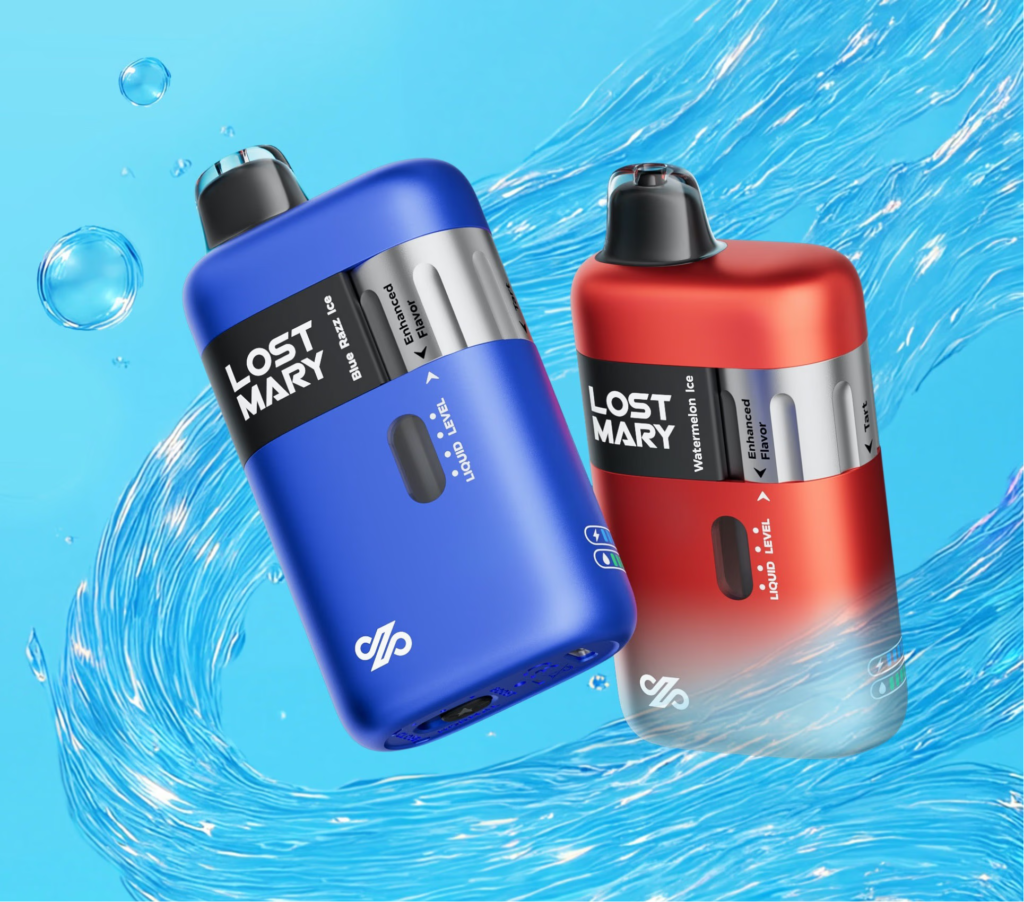
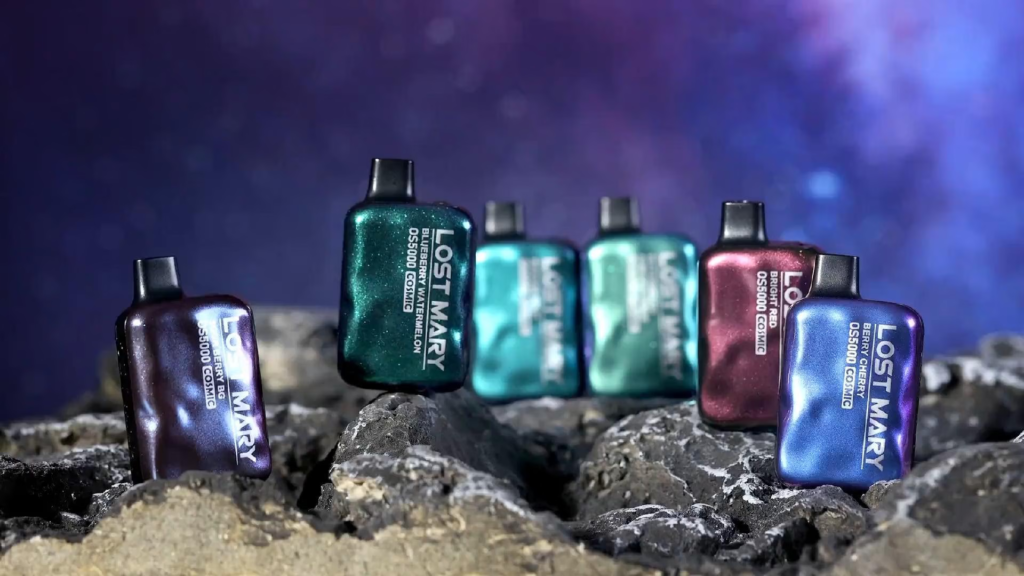
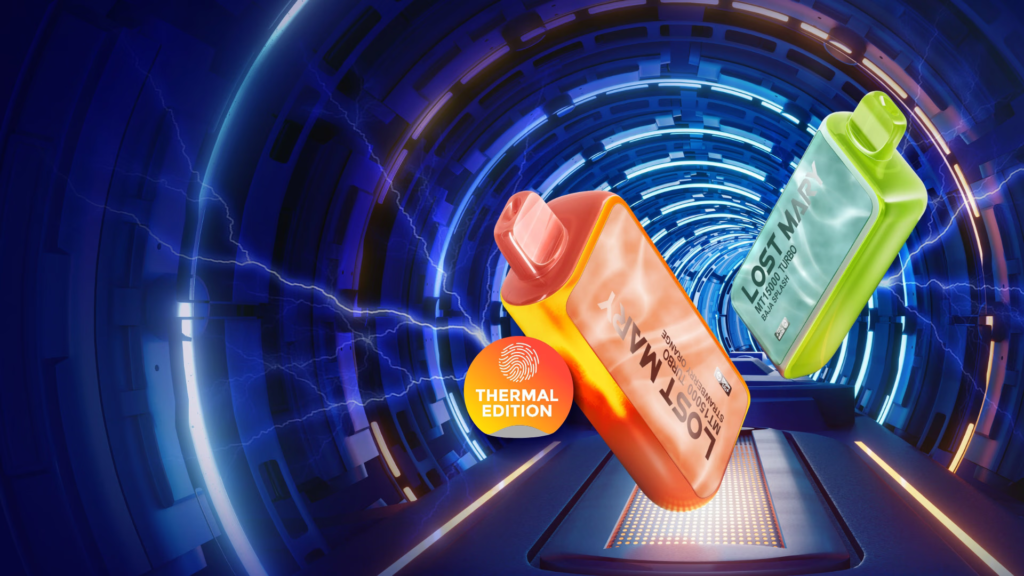
Lost Mary is a vape brand known for offering a range of products designed around different preferences, device formats and vaping needs. While the brand has become widely associated with disposable style vapes, its broader range also includes pod systems, rechargeable devices and e liquid options. Product specifications can vary by model, including battery capacity, e liquid capacity, charging features, pod design and available nicotine strengths.

This guide provides an informative overview of the range rather than focusing on a single device. It explains how different vape formats work, how flavours and nicotine strengths can differ, what affects device lifespan and how adults can check product authenticity. It also covers practical considerations such as charging, storage, device selection and responsible use. The aim is to give adult readers clear, useful information so they can understand the differences between products and make informed decisions without relying on exaggerated claims or marketing language.
Lost Mary Brand Overview and Product Range Explained
Lost Mary is a vape brand with a product portfolio that now extends across several device formats rather than being limited to one type of vape. Its official product catalogue currently separates products into categories including pod systems, e-liquid, BM Series, MO Series and other devices, reflecting a broader approach to hardware and vaping formats.
For readers researching the brand for the first time, this wider range is important because products can differ considerably in their design, battery setup, e-liquid capacity, pod configuration, charging requirements and nicotine options. Some are designed around disposable-style use, while others use rechargeable devices and replaceable or prefilled pods.
The brand’s own positioning places emphasis on innovation across product design, technology and flavours. Rather than treating those claims as proof of product performance, it is more useful to look at how the range has developed and what each category is designed to offer.
What Is Lost Mary Known For in the Vape Market Today
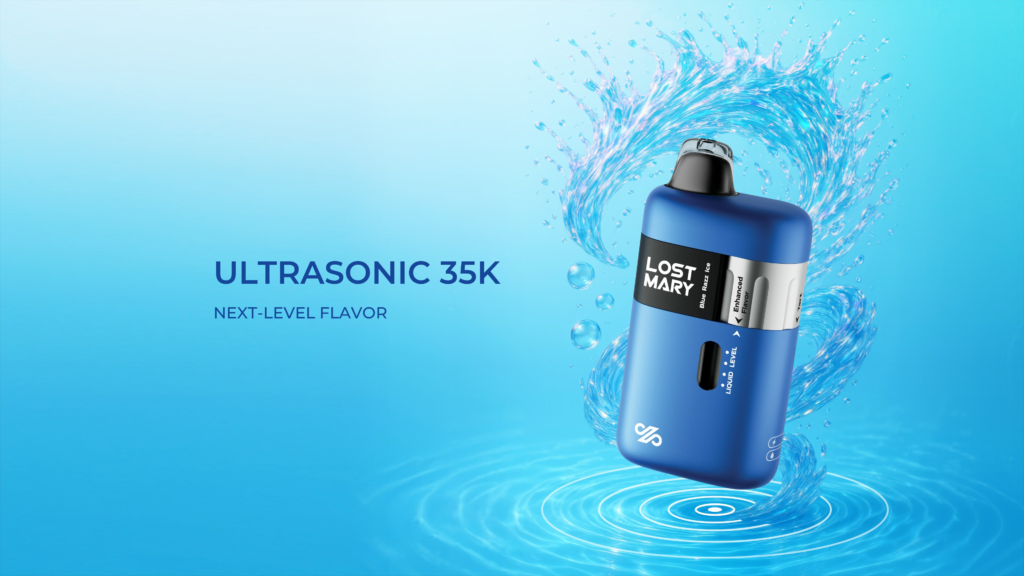
Lost Mary is best known for combining compact vape designs with a broad selection of flavours and device formats. Its catalogue includes established BM and MO series alongside pod-focused products and newer devices with features such as rechargeable batteries, replaceable pods, visible e-liquid levels and adjustable operating modes.
For a beginner, the important point is that the name now covers more than a single disposable format. Different products can be built for different approaches to vaping, from simpler ready-to-use designs to systems that require charging or replacement pods. That means product specifications should always be checked individually rather than assuming every device works in the same way.
The range also places considerable emphasis on flavour variety. Current products include fruit, cooling and other flavour profiles, while some newer pod systems offer separate selections for kits and replacement pods.
How Has the Brand Developed Its Vape Product Range
The product range shows a movement from straightforward disposable-style devices towards designs that incorporate more reusable elements and additional hardware features. Earlier BM products include rechargeable disposable-style devices, while newer offerings include prefilled pod kits and reusable systems with replaceable pods or e-liquid containers.

This development does not mean that every newer device replaces the older format. Instead, the current catalogue provides several approaches for adult consumers to consider. For example, some devices prioritise simplicity, while others introduce charging, visible battery information, replaceable pods, refill containers or different operating modes.
As the range continues to change, readers should avoid relying on old product descriptions or assuming that specifications are identical across generations. Capacity, nicotine strength, battery design and pod configuration can vary substantially between individual products.
What Product Categories Are Available for Adult Users
The current catalogue is organised into several broad categories, including pod systems, e-liquid, BM Series, MO Series and other products. The BM range includes products with different capacities and designs, including rechargeable and reusable configurations, while the MO range includes higher-capacity devices with features such as displays and other hardware changes.
Pod systems form another distinct part of the range. These include products built around prefilled or replaceable pods, with some designs intended to be recharged and reused rather than discarded after the initial supply is exhausted.
E-liquid is also listed separately, giving the range a broader product structure than a disposable-only brand. For readers comparing options, the most useful starting point is therefore the device format, followed by factors such as charging requirements, pod or e-liquid setup, nicotine strength and flavour preference.
This category-based approach makes it easier to understand the range without treating every model as a completely separate type of product.
How Lost Mary Vape Devices Work and What Users Should Know
Vape devices work by combining a power source, heating element, e-liquid and airflow system to produce an aerosol when the device is activated. Although the basic principle is similar across most devices, the way these components are arranged can differ between disposable-style products, prefilled pod systems and refillable devices. Current products in the range demonstrate this variation, with some using rechargeable batteries, replaceable pods, mesh coils and different power settings.

Understanding these components makes it easier for readers to compare devices without relying only on product names or marketing descriptions. Battery capacity, coil design, airflow and e-liquid delivery can all influence how a device operates. However, a particular feature should not automatically be interpreted as a guarantee of better performance.
How Do Different Vape Devices Produce Vapour
A vape device uses electrical power from its battery to heat a coil or other heating element. The heated element interacts with e-liquid supplied to it, producing an aerosol that is then drawn through the mouthpiece. The airflow system determines how air moves through the device and combines with the aerosol before it reaches the user.
The basic process is similar across many vape formats, but the hardware can vary. Some devices contain an integrated battery and prefilled pod, while others use replaceable pods or refillable tanks. For example, current products include rechargeable devices with replaceable pods as well as disposable-style devices with rechargeable batteries.
For beginners, the important distinction is that the device does not simply contain e-liquid and produce vapour on its own. The battery provides energy, the heating element converts that energy into heat, and the e-liquid delivery system supplies the material being heated.
What Do Batteries Coils and Airflow Systems Do
The battery supplies the electrical energy required to operate the heating system. Its capacity is commonly expressed in milliamp-hours, or mAh, and different devices can have substantially different battery capacities. Some current models also include indicators or displays that show remaining battery power.

The coil is the heating component that interacts with the e-liquid. Mesh coils are used in several current products and are made from a mesh-style heating material rather than a conventional wire configuration. Some devices use single mesh coils, while others use dual mesh arrangements or different coil resistances.
The airflow system controls how air enters and moves through the device. Some products use a fixed airflow design, while others provide adjustable airflow or different operating modes. Current systems such as the XPER, for example, offer airflow control and different power levels.
These components work together, so changing one can affect how the device feels and operates. A mesh coil, larger battery or adjustable airflow should therefore be viewed as a technical feature rather than automatic proof that one device is universally better.
How Do Draw Activated Vape Devices Work
Draw-activated devices use an airflow or pressure sensor to detect when the user inhales through the mouthpiece. The sensor triggers the heating system, allowing the device to operate without requiring a physical firing button. This is commonly associated with simple, straightforward vape designs.
Some current products specifically describe instant or draw-based activation, while other devices can provide additional controls or operating modes. The XPER system, for example, describes instant activation, while older prefilled product information from the manufacturer identifies draw activation as part of its firing mechanism.
Button-activated devices work differently because the user manually activates the heating system using a physical control. Some advanced devices may combine activation methods with displays, power controls or different modes.
For readers comparing devices, activation method is mainly a question of how the hardware is operated. Checking the individual product instructions is important because controls, activation methods and safety features can vary between models.
Which Lost Mary Vape Types and Devices Are Available
The current range includes several vape formats rather than one standard device design. Depending on the product, adult users may encounter disposable-style devices, prefilled pod systems and reusable designs that use replaceable pods or e-liquid. These formats can differ in how they are charged, how e-liquid is supplied, how much maintenance is required and how the device is intended to be used.
This variety means that choosing a suitable device is less about finding one universally better format and more about understanding the practical differences between them. A simpler device may require less interaction, while a rechargeable or pod-based system can introduce charging, pod replacement or e-liquid management. Looking at these differences before purchase can help readers understand what a particular product requires and whether its format matches their preferences.
Which Vape Types Are Available Across the Range
Vape products in the current range can broadly be grouped into disposable-style devices, prefilled pod systems and reusable pod or refill-oriented devices. These categories can overlap because some products combine features traditionally associated with more than one format.
Disposable-style devices are generally designed around a self-contained setup, with the e-liquid and heating components integrated into the device. Some newer versions can include rechargeable batteries, meaning the battery may be charged while the device remains otherwise non-refillable.
Prefilled pod systems separate the reusable device from the e-liquid-containing pod. For example, the BM600 Prefilled Pod Kit uses a rechargeable battery device with replaceable prefilled pods.
Reusable systems can go further by allowing components such as pods or e-liquid containers to be replaced. The BM6000, for example, uses a rechargeable device with a replaceable pod and refill container.
What Is the Difference Between Disposable and Pod Devices
The main difference is how the e-liquid supply and hardware are managed. A conventional disposable-style device is generally intended to be used until its usable contents or battery are depleted and then replaced. The user does not normally need to refill the e-liquid or replace a separate pod.
Pod systems divide the product into a device and a pod. The device contains the battery and associated electronics, while the pod contains the e-liquid and heating components. Depending on the system, the pod may be prefilled and replaced when empty, or designed to be refilled with compatible e-liquid.
This changes the maintenance requirements. A disposable-style product can offer a relatively straightforward setup, whereas a pod system requires the user to understand charging and pod replacement. Reusable systems may involve additional steps, including refilling or replacing components according to the manufacturer’s instructions.
Charging requirements can also differ. Some disposable-style devices are non-rechargeable, while others include rechargeable batteries. Pod systems generally require charging because the main device is intended to be used repeatedly.
For this reason, the terms disposable, rechargeable and pod should not automatically be treated as interchangeable. A product’s exact specifications determine how it should be operated, maintained and eventually replaced.
How Should Adults Compare Different Device Formats
Adults comparing different formats should first consider how much involvement they want from their device. Disposable-style products can be simpler because there is generally less interaction with separate components. Pod systems require more attention but can allow the main device to be reused while individual pods are replaced.
Convenience is another consideration. A compact self-contained device may be straightforward to carry and use, while a reusable system can require additional pods or e-liquid to be available when needed.
Charging should also be considered. Rechargeable devices need access to an appropriate charging method, whereas a non-rechargeable design does not require the same charging routine. Battery capacity and charging features can vary significantly between products.
E-liquid management is relevant for pod and refill-oriented systems. Prefilled pods reduce the need to handle e-liquid directly, while refillable systems require the user to understand how and when the pod should be filled or replaced.
Finally, consider portability, maintenance and expected usage patterns together rather than looking at one specification in isolation. The most suitable format depends on the individual product requirements and the adult user’s preferences, not simply on whether a device is labelled disposable or reusable.
For readers who want to understand these distinctions in greater detail, a dedicated guide to disposable versus refillable vapes, prefilled pods and reusable vape devices can provide a more detailed comparison.
Lost Mary Flavours and Nicotine Options Explained Clearly
Flavour and nicotine strength are two separate factors that can both influence how an e-liquid or vape product is experienced. The current range includes a broad selection of flavour profiles, while nicotine strengths can vary between products and markets. For example, the official nic-salt range currently lists 5 mg/mL, 10 mg/mL and 20 mg/mL options, alongside more than 20 flavour choices.

For adults who already use nicotine products, understanding these differences makes it easier to compare products without assuming that one flavour or strength is universally better. Flavour is primarily a matter of taste, while nicotine strength relates to the concentration of nicotine in the e-liquid. The two should therefore be considered separately when evaluating a product.
What Flavour Categories Are Commonly Available
Vape flavours can generally be grouped into several broad categories, including fruit, cooling, mint, beverage, sweet and mixed-fruit profiles. Current products demonstrate this variety, with options such as mango, strawberry, blueberry, lemonade, pineapple and mixed fruit combinations appearing across different product lines.
Fruit profiles are often based around recognisable individual or combined fruits, while cooling flavours add an icy or mint-style character. Beverage-inspired profiles can draw on drinks such as lemonade, and sweeter options may use candy or dessert-style flavour descriptions.
Mixed-fruit flavours can provide several taste notes within one profile, while simpler single-fruit options may be easier to identify. Availability can vary by device, product line and location, so a flavour listed for one product should not automatically be assumed to be available across the entire range.
The most useful approach is to think about flavour family rather than individual product names. This makes it easier to compare options even when the available range changes.
How Should Adults Choose a Suitable Vape Flavour
Flavour choice is ultimately personal, so there is no objectively best option. Adults who prefer familiar and straightforward tastes may want to explore single-fruit profiles such as strawberry, watermelon or blueberry. Those who prefer more complex combinations can look towards mixed-fruit or tropical profiles.
Cooling level is another important consideration. An option containing terms such as “Ice” or “Mint” generally indicates a cooler flavour direction, whereas a standard fruit profile may place more emphasis on the fruit itself. Current product ranges include both fruit-only and fruit-with-ice combinations, allowing these preferences to be compared.
Sweetness and flavour intensity can also matter. Someone who dislikes very sweet profiles may prefer fruit, citrus or more balanced flavours, while someone looking for a richer taste may prefer sweeter or more layered combinations.
Rather than choosing based on popularity alone, consider the flavours you already enjoy and then check the specific product’s available options.
How Do Nicotine Salts Differ From Freebase Nicotine
Nicotine salts and freebase nicotine refer to different forms of nicotine used in e-liquids. Traditional freebase nicotine has a higher pH and can produce a stronger or harsher sensation at higher concentrations. Nicotine salts are formed by combining nicotine with an acid, which lowers the pH and can make higher nicotine concentrations feel smoother during inhalation.
This difference is one reason nicotine salts are commonly associated with compact pod-style devices. Research reviewed by the UK Committee on Toxicity indicates that nicotine salts can alter nicotine bioavailability compared with freebase nicotine, although actual nicotine exposure also depends on the device and how it is used.
The distinction should not be interpreted as meaning that one type is universally better. They are different formulations with different characteristics. Readers should check the product description or e-liquid label to determine which form is being used rather than assuming that all vape products contain the same type of nicotine.
What Should Adults Know About Nicotine Strengths
Nicotine strength describes the concentration of nicotine in an e-liquid and is commonly displayed in milligrams per millilitre (mg/mL). A higher number indicates a higher concentration of nicotine in the liquid, but the amount ultimately absorbed can also depend on the device, e-liquid formulation and individual puffing behaviour.
Current official products demonstrate that strengths are not necessarily identical across the range. The manufacturer’s nic-salt collection currently lists 5 mg/mL, 10 mg/mL and 20 mg/mL options, while individual devices can have their own specifications.
For that reason, readers should always check the specific product label and current specifications rather than assuming that every device has the same nicotine concentration.

Nicotine is addictive, so nicotine-containing vape products should be treated as products for adults who already use nicotine, not as something for non-users to begin using. Local rules can also differ regarding permitted nicotine strengths, flavours and product availability. Checking the applicable requirements in your location is therefore an important part of making an informed decision.
For readers who want a deeper explanation, separate guides on vape flavour categories, nicotine strengths and nicotine salt versus freebase nicotine can provide more detailed information without overloading this broader product guide.
How Long Do Lost Mary Vapes Last During Regular Use
There is no single answer to how long a vape device will last because lifespan depends on the product’s capacity, battery design and how frequently it is used. Different devices can have substantially different e-liquid capacities and advertised puff estimates, so a smaller device should not be expected to last as long as a higher-capacity model. Current product specifications illustrate this variation across the range.
For adults comparing products, the most useful approach is to treat advertised puff counts as an estimate rather than a guaranteed period of use. The actual experience can vary considerably between individuals and devices.
What Factors Affect How Long a Vape Device Lasts
Several factors can influence how long a vape remains usable. Puff frequency is one of the most obvious: someone who uses a device frequently throughout the day will generally consume its available e-liquid more quickly than someone who uses it less often.
Draw duration also matters. Longer or deeper draws can consume more e-liquid per puff than shorter draws, meaning two people using the same device may reach the end of its usable supply at different times.
E-liquid capacity is another important specification. A device with a larger liquid capacity has more e-liquid available before it needs to be replaced or, where applicable, replenished. Battery capacity can also affect practical lifespan, particularly with rechargeable products.
Finally, device design and power settings can influence consumption. Higher power output can change how much e-liquid is used during each draw. For this reason, capacity and advertised puff count should be considered alongside the device’s overall design rather than viewed in isolation.
Why Are Puff Estimates Not Exact Usage Times
A puff count is not a fixed measurement of how many days a device will last. It is generally an estimate based on controlled testing conditions, while real-world use varies from person to person.
The length of each draw can make a significant difference. A short draw and a longer draw do not necessarily consume the same amount of e-liquid, even though each may be counted as one puff. Frequency of use, airflow and device settings can also affect consumption.
This is why a product advertised with a particular puff figure should not be interpreted as guaranteeing a specific number of days or weeks of use. Different manufacturers may also use different testing methods when establishing advertised puff figures.
The best way to compare devices is therefore to look at e-liquid capacity, battery specifications and product design alongside the advertised puff estimate.
What Signs Show That a Vape Device Needs Replacing
A device may need replacing when its usable e-liquid has been depleted, when the battery can no longer operate as intended or when the product begins showing persistent performance problems. A noticeable reduction in vapour production can sometimes indicate that the available e-liquid or battery power is running low.

An unusual burnt or unpleasant taste can also indicate that the heating system or e-liquid supply is no longer functioning normally. However, the cause can vary between devices, so the manufacturer’s instructions should be checked before assuming what the problem means.
Physical damage is a separate concern. If a device shows signs of significant damage, leaking, swelling, overheating or other abnormal behaviour, it should not be continued in use simply to exhaust its remaining contents.
For more detailed information, readers can explore guides covering how long disposable vapes last, what puff counts actually mean and the signs that a vape device should be replaced.
How to Use Charge and Store Vape Devices Responsibly
Proper charging, storage and basic care can help adults use vape devices according to their intended design and reduce avoidable problems. However, there is no single maintenance routine that applies to every product. A disposable-style device, a rechargeable pod system and a refillable device can have different charging, pod replacement and care requirements.
The safest approach is to follow the instructions supplied with the specific product rather than applying assumptions from another model. This is particularly important for rechargeable devices because battery and charging specifications can vary. Basic storage also matters, especially where devices contain nicotine-containing e-liquid or lithium-ion batteries. Keeping products away from children, pets, excessive heat and avoidable physical damage should form part of normal device care.
How Should Rechargeable Vape Devices Be Charged
Rechargeable vape devices should be charged according to the manufacturer’s instructions and with the charging connection or equipment specified for that particular device. Before charging, check the device and charging port for visible damage, contamination or signs of unusual wear.
The device should be placed on a stable, suitable surface while charging rather than somewhere it could easily be covered, knocked over or exposed to moisture. Adults should also avoid continuing to use charging equipment that appears damaged or has developed a fault.
Charging requirements can differ between models, including connector type, battery capacity and charging features. Some products may include indicators that show charging status, while others provide different ways of displaying battery information.
Readers should therefore avoid assuming that every rechargeable device can be charged in exactly the same way. The product’s own instructions should take priority over general advice.
How Should Vape Devices Be Stored Between Uses
Vape devices should be stored in a cool, dry and secure location away from direct sunlight and excessive heat. Extreme temperatures can affect batteries and other device components, while moisture can potentially damage electronic parts.
Products containing nicotine should always be kept away from children and pets. This includes both complete devices and e-liquid containers or replacement pods. Storage should also prevent the device from being crushed, dropped or exposed to unnecessary physical pressure.
When carrying a vape, avoid placing it somewhere it can come into contact with sharp objects, liquids or other items that could damage the device or activate it unintentionally. Rechargeable devices should also be protected from conditions that could damage the battery.
The manufacturer’s storage recommendations should be followed where they provide more specific requirements for a particular product.
What Should Adults Know About Vape Device Care
Basic care begins with regularly checking the device for signs that something is not working as intended. Depending on the product, this may include examining the pod, mouthpiece, charging port and exterior for leaks, cracks, loose components or other visible problems.
Where a pod is replaceable, it should be changed according to the manufacturer’s instructions rather than being forced into place or used after it has become visibly damaged. Refillable systems should also only be filled with compatible e-liquid and according to the product’s intended design.

Keeping the mouthpiece and accessible exterior reasonably clean can help prevent the accumulation of dirt or residue. However, users should avoid exposing electronic components to water or cleaning products unless the manufacturer specifically permits it.
Most importantly, a visibly damaged, leaking, overheating or malfunctioning device should not simply be used until it stops working. Set it aside and follow the manufacturer’s guidance for replacement or disposal.
For more detailed information, readers can explore guides covering how to charge a vape safely, how to store vape devices and vape battery safety.
How to Check Lost Mary Vape Authenticity Before Buying
Authenticity is an important consumer consideration when buying a branded vape product. Counterfeit or improperly sourced products may not provide the same product information, packaging accuracy or access to official after-sales support as genuine products. For that reason, buyers should not rely only on the appearance of a device or its packaging when deciding whether a product is genuine.

The manufacturer provides an official authenticity verification service that allows users to check a product using an 18-digit security code or QR code found on the package. However, verification should be treated as one part of a broader purchasing check. The seller, packaging, product information and proof of purchase can also provide useful context.
Why Does Vape Product Authenticity Matter Before Buying
Authenticity matters because a buyer needs reasonable confidence that the product corresponds to the manufacturer’s specifications and can be supported through legitimate channels if a problem occurs. Counterfeit products may imitate the appearance of genuine devices, but appearance alone cannot establish where a product came from or whether it is genuine.
There is also a practical reason to keep purchase information. The manufacturer’s warranty terms state that warranty claims can require proof of purchase and product packaging, while non-genuine products are excluded from its warranty coverage.
This makes authenticity more than a question of branding. It is connected to product verification, seller reliability and after-sales support.
Buyers should therefore consider where the product came from, whether the packaging appears consistent with the product information and whether an available official verification method confirms the item.
No single visual characteristic should be treated as absolute proof of authenticity. Packaging designs and verification procedures can change, so current manufacturer guidance should always take priority.
How Can Buyers Check Vape Packaging and Verification
The manufacturer currently provides a dedicated verification service. Its instructions state that an authentication label can be found on the side of the package. Buyers can scratch off the covering to reveal an 18-digit security code, then enter that code on the official verification page or scan the QR code using a phone.
Before checking the code, buyers should examine the packaging for obvious inconsistencies such as damaged seals, unclear printing, missing information or details that do not appear consistent with the product being purchased. These signs do not automatically prove that a product is counterfeit, but they can justify taking a closer look.
The seller is another useful consideration. A clear business identity, purchase receipt and transparent return or support policy provide more useful evidence than an anonymous seller offering an unusually cheap product.
Where an official verification tool is available, it should be accessed directly through the manufacturer’s website rather than an unfamiliar third-party page. The official support centre also directs users towards product verification and counterfeit reporting resources.
Most importantly, check the specific product and current instructions rather than relying on an old authenticity guide.
What Should You Do With a Suspicious Vape Product
If a product appears suspicious, do not assume that an unusually low price or convincing packaging makes it genuine. Save the packaging and proof of purchase, and avoid relying on the product until its authenticity has been clarified.
The manufacturer provides a dedicated counterfeit reporting form where users can submit information about the seller, the QR code on the packaging and proof of purchase. Buyers can also contact the manufacturer’s support channels if they need help with verification or a product concern.
If the product is malfunctioning, leaking, overheating or showing other abnormal behaviour, it should not be continued in use simply because its authenticity is uncertain. Set it aside and follow the relevant manufacturer or local disposal guidance.
For a broader understanding of the subject, readers can explore guides covering how to spot counterfeit vapes, how vape authenticity checks work and why choosing a reputable seller matters.
How to Choose a Lost Mary Vape Based on Key Features
Choosing between different vape products is easier when the decision is based on practical specifications rather than popularity or promotional claims. Devices can differ in format, battery capacity, e-liquid setup, charging requirements, flavour selection and nicotine strength, so the most suitable option depends on what an adult reader is actually looking for.
A useful comparison should begin with the device format and then consider the features that affect everyday use. Disposable-style products, prefilled pods and reusable systems can require different levels of charging, maintenance and component replacement. Flavour and nicotine preferences should then be considered alongside those practical differences.
The aim is not to identify one universally best product. Instead, adults should have enough information to understand the trade-offs between different formats and check the specifications of the individual product before making a purchase.
How Should Adults Compare Vape Features Before Buying

The device type is a useful starting point. A disposable-style product may be designed around a simpler, self-contained format, while a pod system can involve a rechargeable device and replaceable pods. Reusable systems may require additional e-liquid or replacement components.
Battery capacity and charging are also worth checking, particularly with rechargeable devices. Readers should look at the stated battery capacity, charging connection and any available battery indicators rather than assuming that all rechargeable products work in the same way.
E-liquid capacity can provide an indication of how much liquid the device or pod contains, although it should not be treated as a direct prediction of how long the product will last. Actual consumption depends on usage.
For pod systems, check whether pods are prefilled, refillable or replaceable and whether compatible replacements are readily available. Portability is another practical consideration, including device size, shape and weight.
Finally, compare the actual specifications rather than relying on a product’s name or advertised puff figure alone. Current devices can vary considerably in capacity, battery configuration and operating features.
How Do Flavour Nicotine and Device Type Affect Choice

Flavour and nicotine are personal considerations, while device type determines how the product is operated and maintained. These factors should therefore be considered separately rather than assuming that a particular flavour or nicotine strength automatically suits a particular device.
Adults who prefer fruit, cooling, beverage or sweeter flavour profiles can narrow their options based on the available flavour selection. However, flavour availability can vary between individual products and markets, so the specific product information should always be checked.
Nicotine strength should also be verified on the product packaging or specification page. Different products can contain different concentrations, and nicotine-containing products are intended for adults who already use nicotine rather than for non-users to begin using it.
Device format can influence the practical side of the choice. Someone prioritising a straightforward setup may look at a self-contained format, while someone comfortable with charging and replacing pods may consider a reusable system.
There is no single combination that is objectively best. A sensible decision comes from considering flavour preference, nicotine information, device format, charging requirements and maintenance together.
What Should Buyers Check Before Purchasing a Vape
Before purchasing, start by checking the specific product specifications rather than relying on a general description of the brand. Confirm the device type, e-liquid or pod capacity, battery information, charging requirements and available nicotine strength.
The packaging should also provide clear product information. Where an official authenticity system is available, buyers should use the manufacturer’s current verification process rather than relying solely on appearance. The manufacturer’s current verification system uses a security code or QR code on eligible packaging.
The seller is another important consideration. Look for clear business information, appropriate product descriptions, purchase documentation and a transparent approach to returns or customer support. An unusually low price should not automatically be treated as a bargain if the product’s source cannot be established.
Local requirements should also be considered because regulations concerning nicotine products, packaging, permitted strengths, flavours and sales can differ between jurisdictions.
Finally, consider whether the device format actually matches the intended usage pattern. Check whether it needs regular charging, pod replacement or e-liquid handling and whether those requirements are practical.
A useful buying decision is therefore based on specifications, authenticity, seller reliability and personal preferences, rather than simply choosing the most popular or highest-capacity option.
For readers who want a broader framework, supporting guides on buying vapes as an adult, choosing a vape device and comparing disposable with reusable systems can provide additional detail.
Lost Mary Compared With Other Popular Vape Brands Today
Comparing vape brands is most useful when the focus stays on measurable product characteristics rather than popularity or marketing language. Current catalogues show that major brands increasingly offer several formats, including disposable-style devices, prefilled pods and reusable pod systems. The range can also change frequently, so comparisons should be based on current specifications rather than older product reviews or assumptions. For example, the current Lost Mary catalogue includes BM and MO devices alongside pod systems and e-liquid, while ELFBAR and GEEK BAR also list both disposable and pod-based products.
For adult readers, the most useful comparison is therefore not simply which brand is “best”. It is which product characteristics differ and which of those differences actually matter when evaluating an individual device.
How Does Lost Mary Compare With Elf Bar and Geek Bar
Lost Mary, Elf Bar and Geek Bar all have product ranges that extend across more than one vape format. Lost Mary’s current catalogue includes BM and MO series products as well as pod systems and e-liquid. ELFBAR’s catalogue similarly includes disposable products, pod systems and platform-based products, with examples ranging from the ELFBAR 600 to reusable and replaceable-pod systems.
Geek Bar also separates its current range into categories including disposable devices, pod systems, e-hookah products and platform products. Its current catalogue includes both high-capacity disposable-style devices and rechargeable pod products, showing that its range is not limited to one hardware format either.
This means the comparison should be made product against product, rather than assuming that one entire brand has the same characteristics across every device.
What Should Be Compared When Evaluating Vape Brands
A useful brand comparison should begin with device format. Determine whether the product is disposable, rechargeable, prefilled pod-based or refillable.
Next, compare practical specifications such as battery capacity, e-liquid capacity, charging method, pod design and coil configuration. Flavour availability and nicotine strength can also differ between products and markets, so those details should be checked for the specific model.
Other useful factors include device size, portability, controls, airflow options, display features and whether replacement pods or compatible components are readily available.
Authenticity and seller reliability should also be considered. A product comparison is incomplete if it looks only at specifications while ignoring whether the product can be verified and purchased through a trustworthy source.
Why Should Brand Comparisons Focus on Product Features
Price and popularity can provide context, but neither tells a reader exactly how one device differs from another. A cheaper device may have a different capacity or feature set, while a more expensive product may include hardware that a particular user does not need.
Marketing claims should also be separated from verifiable specifications. Battery capacity, e-liquid capacity, charging features, pod configuration and stated nicotine strength are more useful comparison points because they describe characteristics of the actual product.
This approach also makes comparisons more useful over time. Product ranges change, new models are introduced and older devices may be discontinued. A feature-based framework allows readers to evaluate current products without relying on outdated rankings.
For future supporting content, this section can naturally lead to dedicated comparisons such as Lost Mary vs Elf Bar, Lost Mary vs Geek Bar, Lost Mary vs Hayati and broader disposable vape brand comparisons. Each article should use the same objective criteria so readers can understand genuine differences without turning the comparison into a promotional ranking.
What Adults Should Know Before Choosing a Vape Product
Choosing a vape product should involve more than comparing flavours, puff estimates or appearance. Adults who already use nicotine should consider the device format, nicotine information, product specifications, authenticity and practical requirements before making a decision.
Vaping products are not risk-free, and they should not be presented as suitable for people who do not already use nicotine. A responsible approach is to understand what a product contains, how it operates and what requirements apply to its use in the relevant location.
Who Should Avoid Starting Nicotine Vape Products
Nicotine is an addictive substance, so nicotine-containing vape products should not be presented as something for non-users to start using. Adults who do not currently use nicotine should consider whether there is a reason to begin using an addictive nicotine product in the first place.
Vape products are also not intended for children or young people. Regulations governing minimum age, nicotine products and sales can vary by country or region, so readers should follow the requirements that apply where they live.
For adults who already use nicotine, understanding the nicotine strength and formulation of a specific product is important. Product labels should be checked rather than assuming that all devices contain the same concentration or type of nicotine.
Why Should Vape Products Be Kept Away From Children
Vape devices, pods and e-liquids should be stored securely and kept out of the reach of children and pets. This is particularly important for products containing nicotine, as accidental exposure can present a serious safety concern.
Storage should also protect the device from excessive heat, moisture, impact and other conditions that could damage the battery or electronic components. E-liquid containers should remain properly closed when they are not being used.
Adults should follow the manufacturer’s storage instructions and applicable local safety guidance. If a device or container becomes damaged, leaks or behaves abnormally, it should not simply be left where another person or animal could access it.
How Can Adults Make More Informed Vape Decisions
A sensible decision starts with checking the specific product specifications. Confirm the device type, e-liquid or pod capacity, battery and charging requirements, nicotine strength and available flavour options.
Authenticity is another important consideration. Where an official verification system is available, buyers should use the manufacturer’s current process and purchase from a reputable source.
Adults should also consider whether the device’s format fits their preferences and practical needs. A disposable-style device, prefilled pod system and reusable product can require different levels of charging, maintenance and component replacement.
Finally, check the regulations that apply locally, as requirements for nicotine strengths, product sales, packaging and permitted products can differ between jurisdictions. An informed decision should be based on accurate specifications and responsible adult consideration, rather than marketing claims alone.
Frequently Asked Questions About Lost Mary Vape Products
What Is Lost Mary and What Does It Offer
Lost Mary is a vape brand offering several product formats, including disposable-style devices, pod systems, reusable products and e-liquid. Its current catalogue is organised into categories such as BM Series, MO Series, pod systems and e-liquid, showing that the range extends beyond a single device format.
Which Vape Types Are Available Across the Range
The range includes disposable-style devices as well as rechargeable and pod-based systems. Some products use prefilled replaceable pods, while others use reusable devices with refillable or replaceable components. For example, the BM600 Prefilled Pod Kit uses replaceable prefilled pods, while the BM6000 combines a rechargeable device with a replaceable pod and refill container.
How Long Does a Typical Vape Device Usually Last
There is no fixed lifespan for every vape device because usage, e-liquid capacity, battery capacity, draw duration and device design can all affect how long it remains usable. Advertised puff counts should therefore be treated as estimates rather than guaranteed usage periods. Current products demonstrate substantial variation in advertised capacity, so readers should check the specifications of the individual device rather than applying one lifespan figure to the whole range.
Are Rechargeable Vape Devices Different From Disposables
Yes, rechargeable devices are designed to be charged and used again, while conventional single-use products are generally designed to be replaced once their usable contents or battery are depleted. Some products combine characteristics of both formats, such as rechargeable devices with replaceable pods. This is why terms such as disposable, rechargeable and reusable should not be assumed to mean the same thing. The specific product instructions determine how a device should be operated and maintained.
What Flavour Categories Are Commonly Available
Available flavour profiles can include fruit, cooling, mint, beverage, sweet and mixed-fruit combinations, although the selection varies between products and markets. Current product listings include examples such as mango, pineapple, strawberry, lemonade and cooling fruit combinations.
Rather than assuming that every flavour is available across every device, readers should check the individual product’s current flavour list. Flavour choice is primarily a matter of personal preference, so there is no objectively best profile for every adult user.
What Should Adults Know About Nicotine Strength
Nicotine strength describes the concentration of nicotine in an e-liquid and is commonly expressed in milligrams per millilitre, or mg/mL. Strengths can vary between products, so adults should check the specific packaging and product specifications instead of assuming that every device contains the same amount.
Some current products demonstrate this variation. For example, the BM6000 is currently listed with 20 mg/mL, 10 mg/mL and 0 mg/mL options. Nicotine is addictive, so nicotine-containing vape products should be treated as products for adults who already use nicotine rather than something for non-users to start using.
How Can Buyers Check Whether a Vape Is Authentic
Buyers can use the manufacturer’s current authenticity verification service where the product carries the relevant authentication label. The official verification system instructs users to locate the security label on the package, reveal the 18-digit security code and enter it online, or scan the associated QR code.
Packaging, seller information and proof of purchase should also be considered. No single visual characteristic should automatically be treated as proof of authenticity, and buyers should follow the manufacturer’s current verification instructions rather than relying on outdated guides.
How Should Empty Vape Devices Be Disposed Of
Empty or unwanted vape devices should not automatically be placed in ordinary household waste or recycling because they can contain lithium batteries and electronic components. The appropriate disposal method depends on local recycling arrangements, so adults should use a designated vape, battery or electrical-waste recycling route where available. UK safety guidance specifically advises against putting vapes in general waste or household recycling and recommends using appropriate take-back or recycling points.
Readers outside the UK should check their own local authority or waste-management guidance because disposal requirements can differ.
What Should Buyers Check Before Purchasing a Vape
Buyers should first check the specific product’s device type, e-liquid or pod capacity, battery and charging requirements, nicotine strength and available flavours. Packaging and authenticity information should then be reviewed, particularly where the manufacturer provides an official verification system.
The seller also matters. Look for clear business information, appropriate product descriptions, purchase documentation and a transparent customer-support or returns process. An unusually low price should not be treated as proof of a good deal if the product’s source cannot be established.
Finally, adults should check any local requirements that apply to nicotine products and confirm that the device’s format suits their intended preferences and practical needs.
How Should Adults Choose Between Different Device Types
The choice between device formats largely depends on convenience, charging, maintenance and component requirements. A disposable-style product may involve fewer separate components, while a rechargeable pod system requires charging and may require replacement pods or e-liquid.
Adults should also consider portability, e-liquid handling, battery requirements, flavour availability and nicotine information. Someone who prefers a simpler setup may have different priorities from someone comfortable maintaining a reusable device.
There is no single format that is universally suitable. The better approach is to compare the specifications of individual products and choose based on practical requirements, personal preferences and responsible adult decision-making.
Final Thoughts on Choosing a Suitable Vape Product
Choosing a vape product is easier when the decision is based on clear product information rather than popularity, advertising claims or puff counts alone. Different formats can have different requirements, so understanding how disposable-style devices, prefilled pods and reusable systems work is an important starting point.
Flavour and nicotine strength are separate considerations. Adults should check the available flavour profile and the exact nicotine concentration for the individual product rather than assuming that specifications are identical across a range. Capacity, battery design and charging requirements can also affect how practical a device is for everyday use.
Authenticity should remain part of the decision as well. Checking the packaging, using an available official verification system and purchasing from a reputable source can provide greater confidence in the product being considered.
What Should You Remember Before Making a Choice
The most useful approach is to compare the format, capacity, charging requirements, flavour options, nicotine information and authenticity of the specific product you are considering.
Disposable-style devices may offer a simpler setup, while rechargeable pod systems can require charging and replacement pods or other components. Reusable products may involve additional e-liquid handling and maintenance, making the device format an important part of the decision.
Flavour should be selected according to personal preference rather than popularity, while nicotine strength should be checked carefully on the product label. Puff estimates should also be treated as approximate because actual usage varies.
Above all, adults should verify product information and follow the manufacturer’s instructions rather than relying on assumptions based on another device.
Where Can You Learn More About Vape Devices
Understanding a particular product is only one part of making an informed decision. Broader educational resources can provide more detail on topics that apply across different vape devices and brands.
A dedicated device comparison guide can explain the practical differences between disposable, prefilled pod and reusable formats. A vape flavour guide can explore fruit, cooling, beverage and other flavour categories in greater depth, while a nicotine guide can explain nicotine strengths, mg/mL measurements and the differences between nicotine formulations.
For buyers concerned about product legitimacy, an authenticity guide can explain verification methods, packaging checks and the importance of reputable sellers.
These supporting resources allow readers to explore individual topics in greater detail without relying on a single article for every question, making it easier to understand vape products and the considerations surrounding them.

