

Yes, vape juice expires, but as quality, not as safety. Nothing in the bottle turns toxic on a fixed date and there is no cliff at one or two years. What happens is slower and more ordinary: the nicotine oxidizes, the flavor compounds react with the base, the liquid darkens, and the bottle gradually stops being the juice you bought. The searches behind this page include ‘can expired vape juice kill you,’ so the direct answer belongs here at the top: no, expired juice is not a poison scenario. Its realistic worst case is bad taste, weak nicotine and a harsh draw. The genuinely dangerous liquid in a house is fresh juice in a child’s hands, which is a different page on this site and a different kind of emergency.
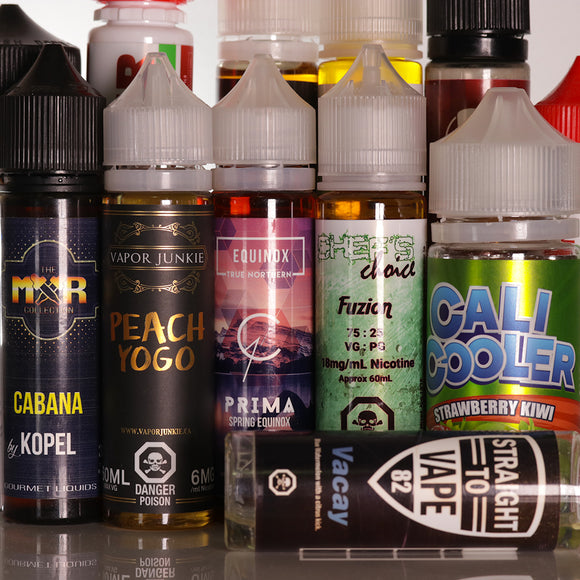
Table of Contents
The Clocks, With the Disagreement Left In
| Type | Sealed, stored well | Opened | What fades first |
|---|---|---|---|
| Freebase nicotine | Best within 1 to 2 years of manufacture | About 6 to 12 months (one major guide table says 3 to 6) | Nicotine strength and color |
| Nicotine salt | Best within 1 to 2 years | Guides split hard: 6 to 12 months in US tables, as low as 1 to 2 in UK ones | Flavor, then nicotine |
| Nicotine free (0 mg) | 2 years or more | 6 to 12 months or longer | Flavor only; there is no nicotine to lose |
| Prefilled pod or disposable | 1 to 2 years sealed | Weeks once in use; the coil sits wet and exposed to air | Flavor and coil condition together |
Treat every number in that table as a guideline the industry uses, not a lab certified date for your bottle, because the honest experts all add the same caveat: heat, light and air move the clock more than the calendar does. A bottle kept cool and dark can be pleasant past its printed date; a bottle baked in a car can be ruined inside its first month, date or no date.
The wider shelf-life framing, in one paragraph, sits in the vape juice guide.
What a Real Stability Study Found
Most shelf-life writing is folklore, but one peer reviewed study anchors it. Health Canada researchers (published in Toxics, 2023) stored commercial vaping liquids at 40 degrees Celsius, 104 Fahrenheit, in the dark for 24 weeks, an accelerated aging simulation of about a year at room temperature. Salt products retained a mean of 85 percent of their labeled nicotine (range 64 to 99 percent). Freebase products retained a mean of 74 percent, with a far wider range of 31 to 106 percent. Three lessons fall out of those numbers. Salts are on average the more stable chemistry, which is why the salt clocks above should not be read as automatically shorter. Freebase varies enormously by product, so brand and storage dominate. And 104 degrees is not an exotic lab condition; it is a parked car in summer, which is why the car rule below is the single highest value line in this guide. A separate 24-month study of flavoring chemicals (ACS Omega, 2025) and Yale cell research on compounds that form in aged liquid both point the same direction: the liquid genuinely changes in storage, even where the health meaning of those changes is not yet established.
What the Date on the Bottle Legally Is
In the United States, FDA rules do not require a shelf life or expiry date on e-liquid. UK rules are the same: the regulator’s list of what must appear on a pack covers ingredients, nicotine content, batch number, the keep-away-from-children advice and the health warning, and a date is not on it. So the best-by on your bottle is the manufacturer’s voluntary quality estimate, typically set one to two years from manufacture, and some makers print a born-on date and batch code instead (Monster Vape Labs does), which is more useful: it tells you the liquid’s actual age rather than someone’s guess at its deadline.
The Chemistry, in Plain Terms
Nicotine is the least stable thing in the bottle. Exposed to oxygen, light or heat it oxidizes, converting in part to cotinine and related compounds, and the visible trail is color: clear to yellow, yellow to amber, amber to brown. The taste trail is just as consistent: oxidized nicotine reads peppery and scratchy, which makes an old bottle simultaneously weaker in nicotine and harsher in feel, the combination that convinces people something is seriously wrong. Higher strengths darken more, because there is more nicotine to react. Salts resist the process better: the acid that makes them smooth also lowers the pH and makes the molecule less reactive, so salt liquids darken more slowly. Flavor compounds run their own clock, fading or turning soapy and chemical as they react with the base; fruity and menthol notes, built on volatile compounds, tend to fade faster than heavy dessert and tobacco profiles. The PG and VG base itself is the survivor: it outlasts everything dissolved in it.
One confounder matters for pod users: juice can also darken inside a pod or tank because sweeteners caramelize on the hot coil and the darkened residue washes back into the liquid. Dark juice in the bottle is age. Dark juice in the pod with a burnt taste is a dying coil, and the fix is the pod or coil, not the bottle.
The Decision Table: Keep It or Bin It
| Sign | What it means | Verdict |
|---|---|---|
| Somewhat darker than when bought | Normal oxidation, happens even sealed | Keep. One sign alone is not a verdict |
| Peppery, sharp or scratchy throat hit | Nicotine has oxidized | Bin it. This is the definitive taste sign |
| Flavor flat, soapy or chemical | Flavor compounds have reacted | Bin it |
| Sour or chemical smell | Advanced degradation | Bin it |
| Layers that will not recombine after a good shake | The base has separated | Bin it. Mild separation that shakes back is normal; PG and VG have different densities |
| Cloudiness, particles or crystals | Contamination or precipitation | Bin it, regardless of age |
| Color off the yellow-to-brown scale (pink, green, blue) | A reaction with a flavor compound, or contamination | Bin it, regardless of age |
The working rule the best guides converge on: one mild sign, usually darkening, is information; two or more signs together are the verdict. And learn the neighbor concept, steeping, so you do not bin a young bottle: steeping is the short settling period right after mixing, when a juice gets slightly darker and tastes smoother and fuller. Darker plus smoother plus young is steeping.
Darker plus flat or harsh plus old is aging. The color is the same; the direction of the taste tells you which one you have.
Storage: the Protocol That Actually Moves the Clock
- Cool and dark is 90 percent of it: a cupboard or drawer at ordinary room temperature (guides put the ideal band around 15 to 25 degrees Celsius, 60 to 70 Fahrenheit), away from radiators, ovens, sunny windowsills and heat-making electronics.
- Cap tight, bottle upright. Air is the oxidizer; every open minute and every loose cap spends the clock.
- Never the car. Twenty minutes in a hot car can visibly brown a bottle, and the study above ran at exactly car-in-summer temperature.
- Skip the bathroom. Humidity and shower-driven temperature swings are the opposite of stable.
- Fridge, for the long term only: six months or more, ideally in a tinted airtight glass bottle, and let the juice return fully to room temperature before use, because cold juice is thicker and can arrive separated (it shakes back).
- Freezer: the guides split, and this page reports the split rather than a verdict. Juice does not freeze solid at home freezer temperatures (the base liquids freeze far colder), it just turns very thick; some guides recommend freezing for bulk storage in glass with headspace, others call it unnecessary and hard on flavor, and everyone agrees repeated freeze-thaw cycles are bad. For most readers the fridge is the practical ceiling.
- Dark glass beats plastic for long storage: glass is non-reactive and amber glass blocks the UV that fades nicotine and flavor.
And the storage rule that outranks all the quality rules above: keep every bottle up high, closed and out of the reach of children and pets, exactly as the FDA’s storage guidance directs. A degraded bottle is a disappointment; an accessible one is the emergency this site’s leaking and safety pages exist for.
That emergency, and the Poison Control number (1-800-222-1222), are laid out in is a leaking vape dangerous.
Juice Sitting in a Tank or Pod
The bottle clock stops applying once juice is in a device: it is warm, lit and breathing through the airflow. One retailer’s own testing found no meaningful deterioration over several days even left open to light, and guides generally put noticeable quality drop at one to two weeks in a tank. Old juice is also hard on hardware: thickened or darkened sweet juice wicks poorly, invites dry hits and gunks coils faster, shortening coil life on top of tasting worse.
The burnt taste that follows lives in why does my vape taste burnt.
FAQs
Can expired vape juice kill you?
No. Nothing in e-liquid degrades into an acute poison on a schedule, and no guide or study behind this page treats past-date juice as lethal. What expired juice does is taste bad, hit harsh and deliver less nicotine. Discard bottles showing the bin-it signs above because they are unpleasant and degraded, not because they are deadly. Keep the distinction sharp: swallowed fresh nicotine liquid, especially by a child, is a genuine poisoning emergency, and that risk exists in a brand new bottle.
Can I use three-year-old vape juice?
It is beyond every sealed guideline in this guide (one to two years, occasionally three for the best-stored bottles), so the honest advice is to replace it. If you inspect it anyway, apply the decision table without sentiment: any two signs, it goes.
Does 0 mg juice last longer?
Yes. With no nicotine to oxidize, only flavor fades, and guides give 0 mg the longest clocks in every table. The full zero-nicotine picture is in the nicotine free vape juice guide.
Why did my juice turn brown in the pod but the bottle is fine?
Two different processes share a color. The pod darkening is usually caramelized sweetener washing back from the coil; the bottle’s slow amber is oxidation. Burnt taste plus dark pod juice means change the pod or coil.