
Walk into any corner shop in Britain today and you will notice something missing. The wall of bright, single-use vapes behind the till is gone. On 1 June 2025 the UK made it illegal for businesses to sell or supply disposable vapes, and the change was instant. This guide explains exactly what the ban covers, who it applies to, what the fines are, and how the ban connects to the bigger wave of UK vape rules that followed.
The 30 second version
- Since 1 June 2025, selling or supplying single-use vapes anywhere in the UK is illegal. The law is the Environmental Protection (Single-use Vapes) (England) Regulations 2024, with matching rules in Scotland, Wales and Northern Ireland.
- Using or owning disposables is not a crime. The ban targets sellers, not vapers.
- First offences bring a £200 fixed penalty. Repeat offenders face unlimited fines and up to two years in prison.
- Rechargeable and refillable vapes are completely legal and are what shops now stock instead.
- The ban was only the first step. October 2026 brought a £2.20 per 10ml vaping duty, duty stamps, and a strict extension of age rules to zero-nicotine vapes and nicotine pouches.
What the ban actually is
The ban is a UK-wide prohibition on the commercial life of the single-use vape. From 1 June 2025, it became illegal for any business to sell a disposable vape, supply one for free, offer to supply one, or even keep one in stock with the intention of selling it. It applies to every channel: high street shops, supermarkets, petrol stations, market stalls and online stores. It also covers healthcare settings and stop smoking services.
Two common misunderstandings are worth clearing up. First, the ban includes disposable vapes that contain no nicotine. If it is a single-use vaping device, it is banned regardless of what is inside it. Second, nobody is going to stop you on the street for vaping. Personal possession and personal use remain legal, so vapers who had disposables at home when the ban started could finish them without breaking any law.
The three-part test: what counts as disposable
The law does not ban a brand or a product name. It bans a design. A vape is single-use if it fails any one of three tests: the battery cannot be recharged, the device cannot be refilled, or any coil inside cannot be removed and replaced. To be legally sellable, a device must have all three of the following:
- A rechargeable battery.
- A refillable container for the liquid, such as a tank, cartridge or pod.
- A removable and replaceable coil, or a coil contained in a removable and replaceable pod. Replacement pods must be separately available to buy.
This table makes it concrete.
| Device | Legal to sell since 1 June 2025? |
|---|---|
| Classic sealed disposable, non-rechargeable | Banned |
| Rechargeable but sealed, cannot be refilled | Banned |
| Zero-nicotine disposable | Banned |
| Prefilled pod kit, rechargeable, pods sold separately | Legal |
| Refillable pod kit | Legal |
| Box mod or tank kit | Legal |
The trickiest line is the rechargeable-but-sealed device. Some manufacturers launched disposables with USB charging ports to look reusable. Under the law they are still single-use, because charging does not make a sealed device refillable. If it cannot be refilled, it cannot be sold.
Why the government did it: litter and teenagers
The ban had two engines, and both were backed by stark numbers. The first was environmental. Research by the charity Material Focus estimated that nearly 5 million disposable vapes were being thrown away in the UK every week by 2024, four times the figure from 2022. Over 40 tonnes of lithium from disposable vape batteries were discarded in a single year, and discarded vapes were blamed for around 700 fires in waste facilities. The cost of dealing with this waste was estimated at around £200 million a year. A disposable vape is a battery, a circuit board and plastic housing that gets binned after a few days of use, and only 17% of vapers reported recycling their devices at shops or local centres.
The second engine was youth vaping. Single-use vapes were cheap, brightly coloured, easy to hide and sold in flavours that appealed to teenagers. By the time of the ban, disposables had become the dominant way young people vaped, and the government decided that the format itself was the problem.
Who the law actually targets
The ban is aimed at the supply chain, not the customer. It applies to manufacturers, importers, wholesalers and retailers, including online sellers. Trading Standards teams lead enforcement, and their approach is graduated. A first-time offender is typically dealt with through civil sanctions: a stop notice, a compliance notice and a £200 fixed penalty, with any offending stock seized. That sounds mild, but it escalates fast. Businesses that keep stocking, selling or supplying single-use vapes after being caught face criminal charges: an unlimited fine and up to two years in prison.
For shoppers, this means the only people at risk are the ones selling. If you spot disposables still on sale, enforcement officers want to know about it, because every disposable on a shelf after June 2025 is there illegally.
One year on: did it work?
A year after the ban, the data suggests it did, at least against its two stated targets. Figures from a YouGov survey commissioned by the charity Action on Smoking and Health, published in May 2026, showed that among 11 to 17-year-olds who vape, only 13% said they mainly used disposables, down from 42% just before the ban and a peak of 69% in 2023. Among adult vapers, the equivalent figure fell from 24% in 2025 to 8% in 2026, down from a 31% peak in 2023. The market shift was immediate: in the first week after the ban, convenience store vape revenue dropped by more than £5 million a week, with Scotland seeing the sharpest fall at 36%.
So disposables largely vanished from legal shelves, and young people moved away from the format. But a ban does not erase demand. It moves it, and the next phase of the story is everything that happened after.
The ban was only the first domino
The June 2025 ban opened a chain of regulation that has kept coming. Here is the full timeline of what changed, and what is still to come.
| Date | What changed |
|---|---|
| 1 June 2025 | Single-use vape ban in force UK-wide. Sale and supply of disposables illegal. |
| 29 April 2026 | The Tobacco and Vapes Act 2026 received Royal Assent and became law. |
| 1 October 2026 | The Vaping Products Duty began: £2.20 per 10ml of vaping liquid, plus a new duty stamp scheme. |
| 29 October 2026 | The October 29 rules take effect: the 18+ age limit extends to zero-nicotine vapes and nicotine pouches, vape vending machines are banned, and free samples and heavy promotional discounts are restricted. |
| 1 January 2027 | Digitally enabled duty stamps become mandatory on new products; the generational tobacco ban begins, making it illegal to sell tobacco to anyone born on or after 1 January 2009. |
| 31 March 2027 | Last day shops can sell pre-October 2026 stock without a duty stamp. |
| 1 April 2027 | From this date, every vaping product sold in the UK must carry a valid duty stamp. |
| 2027 | Consultation on a retail licensing scheme for vape shops is expected; advertising and sponsorship restrictions on vapes are also due to tighten. |
The thread running through all of this is simple. The ban removed the product, the duty made vaping more expensive, the stamps made legal products traceable, and the October 29 rules closed the age-sale loopholes. Together they amount to the tightest vape regulation the UK has ever had.
What filled the empty shelf space
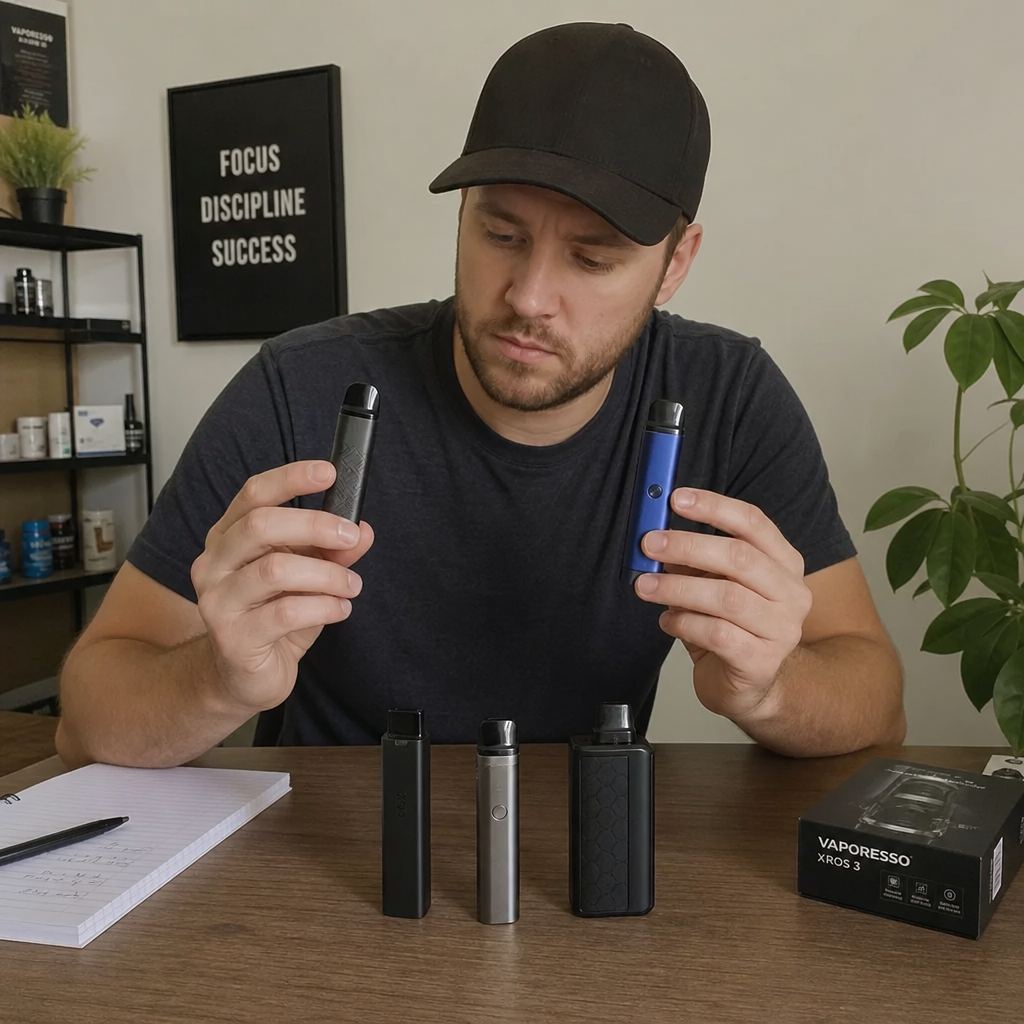
Shops did not stay empty for long. The products that took the disposable shelf space all pass the three-part reusability test, and the most popular replacement is the prefilled pod kit: a small rechargeable battery with click-in pods that are bought separately. 4-in-1 kits, which carry four prefilled pods in one device and let you rotate between them, became the closest thing to a disposable experience without breaking the law.
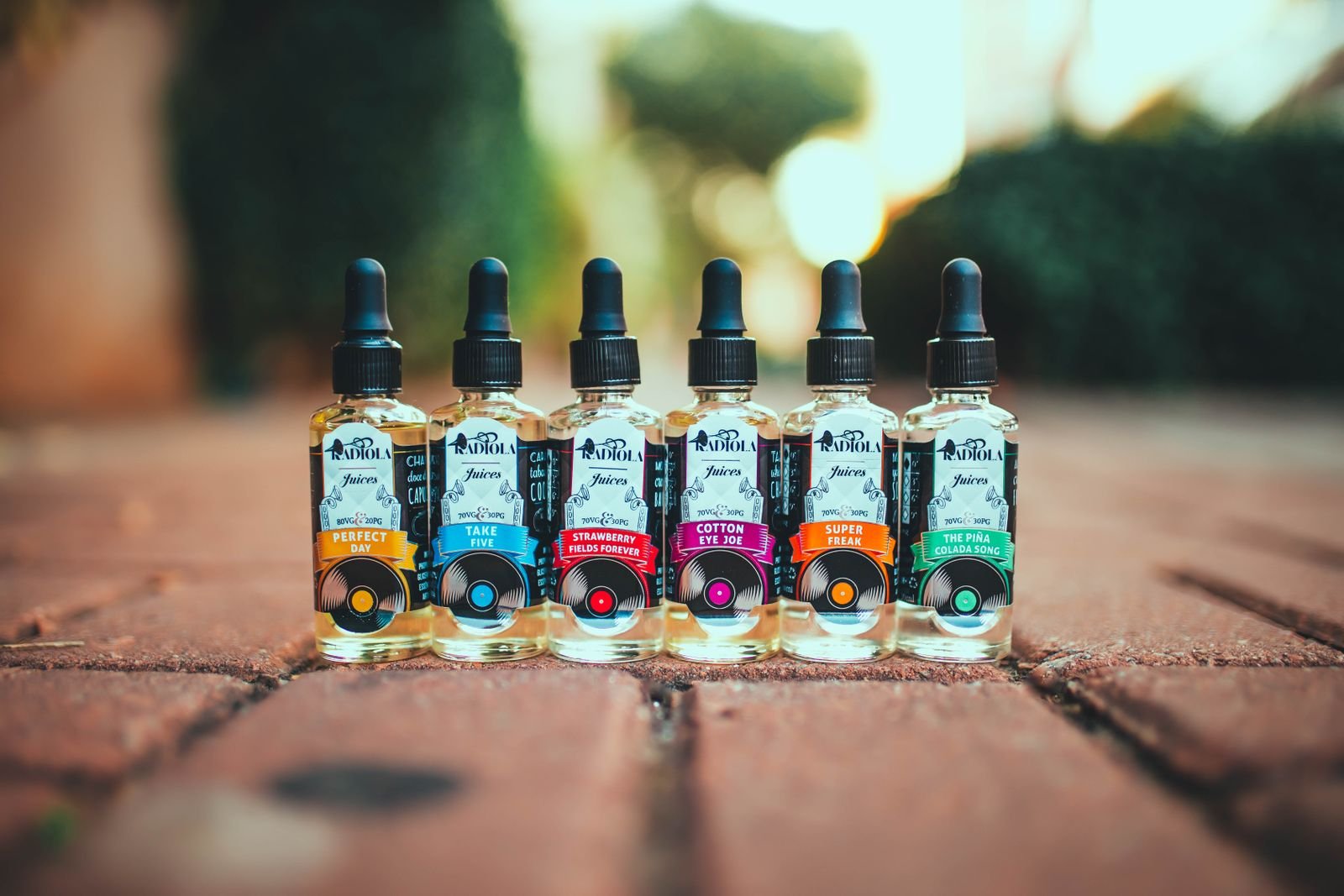
Beyond that, standard refillable pod kits paired with nic salt e-liquids took off. The flavour bridge for ex-disposable users is the 10ml nic salt bottle, often sold in "bar salt" lines that copy disposable flavours. For the average vaper the switch worked out well: a refillable pod kit costs less per puff than disposables ever did, produces less waste, and the flavour is generally better.
The problem the ban created: the grey market
Every prohibition creates a grey market, and this one did too. While legal shops cleared their shelves, illegal disposables kept flowing through social media sellers, market stalls and a minority of rogue shops. These products are worse than the legal ones in every way: untested, often far over the legal nicotine and liquid limits, and sold with no age checks at all.
This is exactly what the duty stamp system was designed to fight. From 1 April 2027, every vaping product legally sold in the UK must carry a duty stamp on its packaging, giving enforcement agencies a simple visual test for illicit stock.
Until then, the most useful thing a shopper can do is learn the red flags of illicit products and buy only from established retailers. If a deal looks impossibly cheap, or the device has no proper labelling and warnings, it is almost certainly illegal. Our guide to spotting fake vapes walks through exactly what to check before you buy.

What to do now if you were a disposable vaper
If you used disposables before the ban and never made the switch, here is the practical path.
- Buy a refillable or prefilled pod kit. It is cheaper to run, legal everywhere, and the closest match to the disposable experience.
- Stop looking for disposables. Any shop still selling them is breaking the law, and the products are unregulated.
- Check the stamp. From April 2027, only buy products carrying a valid vaping duty stamp.
- Recycle what you have. Old devices and batteries can go to shop recycling points or local centres, never in household bins, where batteries start fires.
- If you want to quit vaping altogether, the moment the rules changed is a natural break point, and stop smoking services can help.
Quick answers
Can I still use a disposable vape in the UK?
Yes. The ban covers sale and supply, not personal use or possession. What you cannot do is buy one from any UK seller, online or in person.
Are prefilled pod kits legal after the ban?
Yes. Prefilled pod systems are fully legal as long as the battery is rechargeable and replacement pods are sold separately.
What is the fine for selling disposable vapes?
A first offence brings a £200 fixed penalty with stock seized. Repeat offences can lead to an unlimited fine and up to two years in prison.
Does the ban cover vapes with no nicotine?
Yes. All single-use vapes are banned regardless of nicotine content.
What happens to vape prices now?
The Vaping Products Duty, in force since 1 October 2026, adds £2.20 per 10ml of e-liquid, which raised the price of legal liquids. Refillable kits still work out far cheaper per puff than disposables ever were.
The disposable vape ban was the opening act of a complete rebuild of UK vape regulation. The shops adapted, the shelves refilled with reusable devices, and the enforcement net has kept tightening ever since. For vapers, the message is straightforward: the single-use era is over, and it is not coming back.