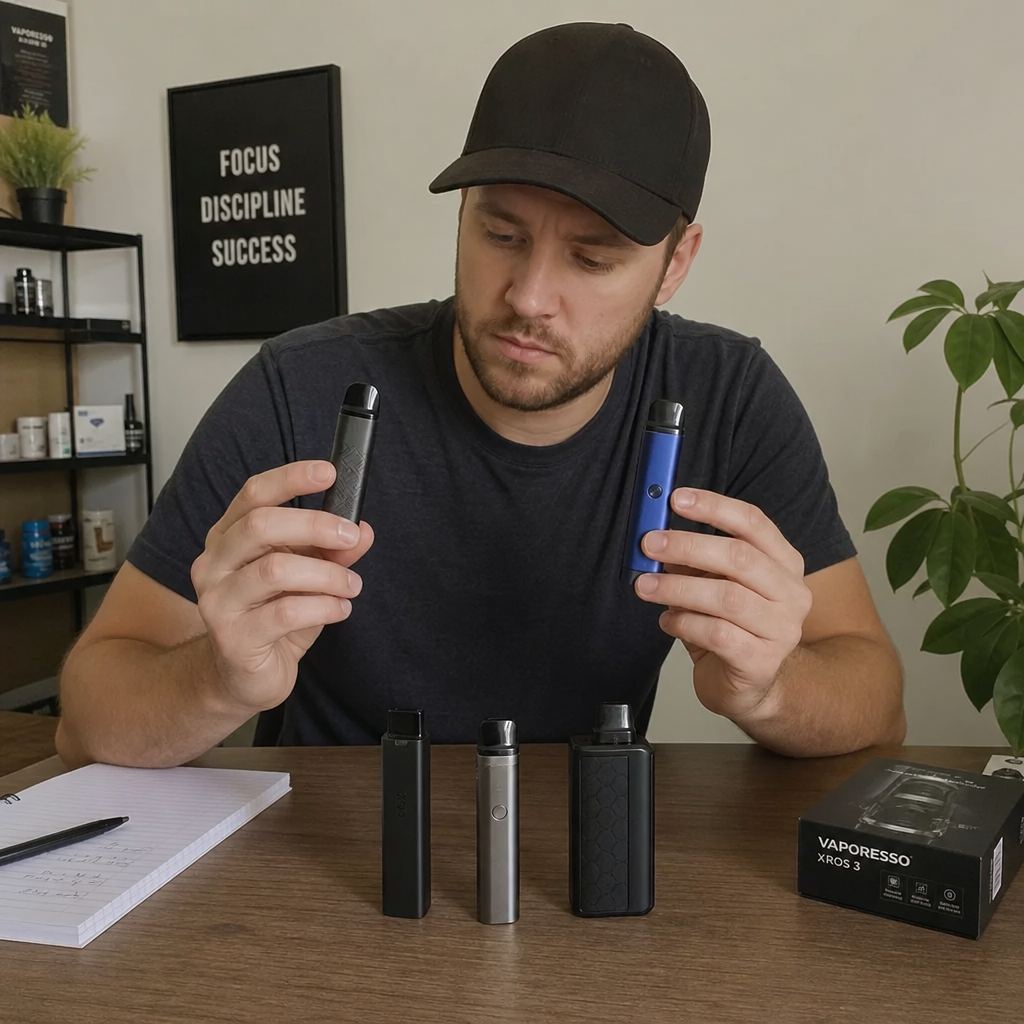

Ask teenagers who have never vaped how their friends get hold of e-cigarettes, and you will not get one answer. You get a map. That is the finding of a University of Sheffield study published today in the journal Public Health in Practice, and its message for policymakers is awkward: no single rule, ban or tax will close off youth access on its own.
Calum Lewis, Hannah Fairbrother and Duncan Gillespie ran two workshops in March 2025 with five Sheffield Youth Cabinet members aged 11 to 17, none of whom vaped. Using a five-dimension access framework borrowed from healthcare research, they asked the teens to describe how vapes reach young people and what they make of the UK’s fast-changing rulebook.
Five overlapping routes, not one loophole
| Theme | What the teens described |
|---|---|
| Flawed information | Many young vapers start without grasping addiction risk; asked what is inhaled, most would just name the flavour |
| Social normalisation | Peer and family vaping, bright packaging, childish flavour names, and algorithms pushing vape content |
| Convenient design | Usable indoors and continuously, nearly impossible for schools to police |
| Permissive retail | Corner shops with lax age checks, one teen said buying vapes was easier than buying candy, plus Snapchat sales and proxy buying |
| Reframe as medicine | Regulate vapes like medicines, prescribed via health practitioners, marketing confined to healthcare settings |
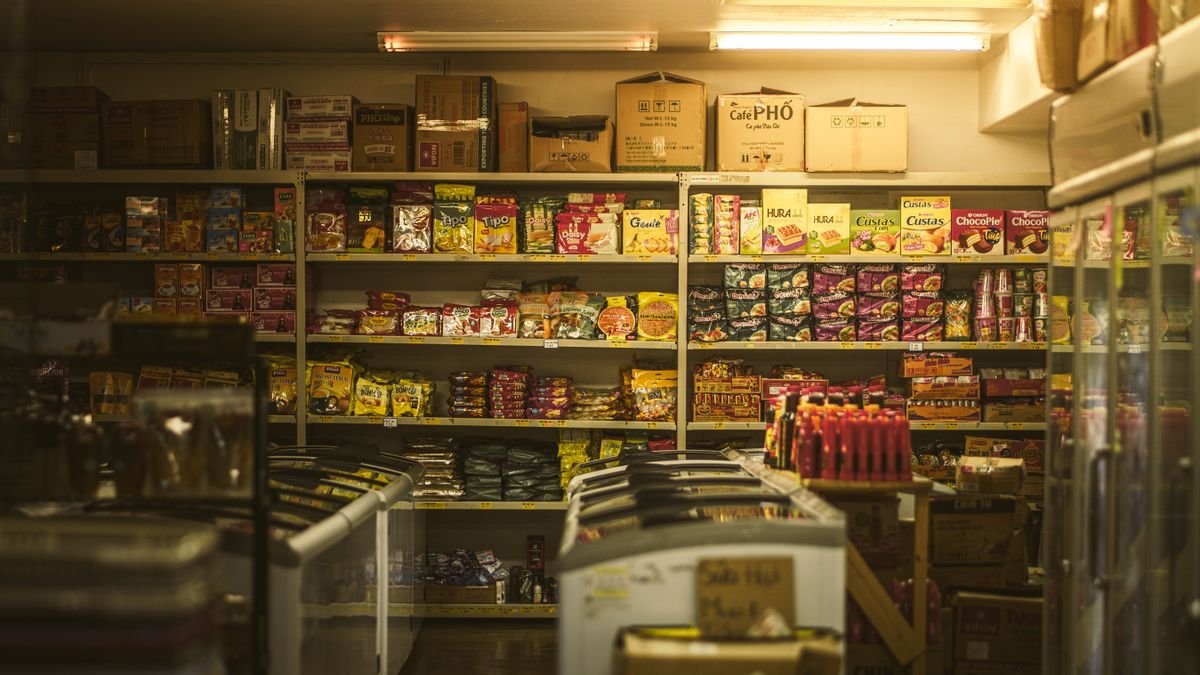
Cheap prices tied the retail theme together. Disposables were described as a low-commitment entry point, and the teens said price rises would bite: one suggested a vape costing the equivalent of three school lunches would give young people pause.
The teens backed tougher retail controls: licensing, bans on selling near schools, fines for staff who sell to under-18s, vapes behind the counter, and bans on child-aimed flavour names. But they opposed full flavour bans, arguing flavours are the one good thing vapes offer adults trying to quit.
Two findings should give campaigners pause. Some teens distrusted official sources outright, suspecting the government of profiting from vaping, and proposed funding independent research from Vaping Products Duty revenue. School assemblies were dismissed as useless.
Vaping among 11 to 17 year olds in Great Britain rose from 3.2 percent in 2021 to a 7.6 percent peak in 2023, easing to 6.4 percent in 2026. The workshops predated the June 2025 disposable ban, and the market has already shifted toward rechargeable devices that look and cost like disposables.
The study lands days before the October 29 vape rules extend the age of sale to every nicotine product. Overlapping causes need overlapping answers, and the teenagers saw that first. For parents and shop staff, the retail findings pair with practical knowledge: our piece on spotting fake vapes covers what illicit stock looks like.
Source: Lewis, C., Fairbrother, H. and Gillespie, D. (2026), Public Health in Practice, via https://doi.org/10.1016/j.puhip.2026.100871