Vape Smoke vs Weed Smoke: The Quick Answer
Vape smoke vs weed smoke is a comparison that actually covers a few different things at once, so here’s the direct breakdown. Weed smoke, from combusting cannabis flower, contains a similar category of harmful byproducts to tobacco smoke, since burning any plant material produces tar and toxic combustion compounds. Vape smoke, more accurately called vape aerosol since nothing is actually burning, comes from heating either nicotine e-liquid or cannabis oil, and carries a much shorter chemical list because combustion isn’t involved.
The confusion usually comes from lumping “weed vape” and “nicotine vape” together, when they’re really two separate categories that just happen to share the word vape. Both avoid the combustion byproducts found in smoked weed or smoked tobacco, but they’re delivering completely different active compounds with different effects and different risk profiles.
What’s Actually in Weed Smoke?
Combustion Byproducts in Cannabis Smoke
Smoking weed, meaning combusting dried cannabis flower and inhaling the smoke, produces many of the same categories of harmful compounds found in tobacco smoke. This includes tar, carbon monoxide, and polycyclic aromatic hydrocarbons, several of which are recognized as carcinogenic by health agencies including the National Institute on Drug Abuse. The specific chemical mix differs somewhat from tobacco smoke since cannabis and tobacco are different plants, but the fundamental issue is the same, burning plant material creates toxic byproducts regardless of what’s being burned.
This is a point that gets missed a lot in casual conversation. Cannabis itself, as a plant compound, isn’t the source of smoke’s harm the same way nicotine isn’t the primary source of cigarette smoke’s harm. Combustion is the shared mechanism creating risk in both cases.
What’s Actually in Vape Smoke (Nicotine and Cannabis Vapes)?
Nicotine Vape Aerosol
Standard nicotine vapes heat e-liquid, generally made of propylene glycol, vegetable glycerin, nicotine, and flavoring, to somewhere around 200 to 250 degrees Celsius. No combustion occurs, and the resulting aerosol contains a much smaller chemical list than cigarette smoke, mainly the base liquid components, nicotine, and trace carbonyls that can appear at high heat or with a worn coil.
Cannabis Vape Aerosol (Weed Vape Pens)
Weed vape pens work on a similar heating principle but with cannabis oil or concentrate instead of nicotine e-liquid, vaporizing cannabinoids like THC and CBD along with terpenes rather than burning plant material. Since there’s no combustion, cannabis vape aerosol avoids the tar and many of the combustion byproducts found in smoked weed. Cannabis vape products vary a lot in quality though, and this is one area where sourcing genuinely matters, since some illicit or low-quality cartridges have been linked to serious health issues, most notably the vitamin E acetate additive tied to the 2019 EVALI outbreak documented by the CDC.
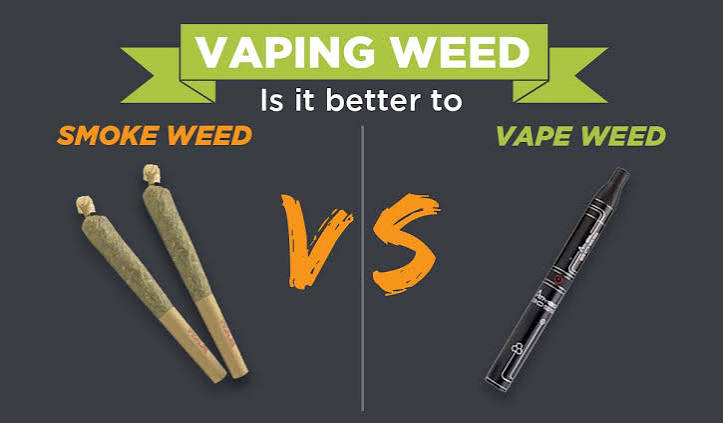
Vaping Weed vs Smoking: Does Vaporizing Cannabis Change the Chemical Exposure?
Vaping weed vs smoking follows a similar logic to vaping vs smoking with nicotine and tobacco, the combustion vs heating distinction is what actually drives the difference in chemical exposure. Vaporizing cannabis instead of smoking it avoids tar and most combustion byproducts, which several studies, including research published through NORML and academic sources, associate with reduced respiratory symptoms compared to smoking cannabis regularly.
That said, cannabis vaping isn’t automatically risk-free just because it skips combustion. Vape aerosol still involves inhaling fine particulates and, depending on cartridge quality, potentially thinning agents or additives that haven’t been tested extensively for inhalation safety. The comparison mirrors a pattern seen across vaping vs smoking research generally, heating tends to reduce certain risks compared to combustion, without eliminating risk entirely.
Weed Smoker Lungs vs Tobacco Lungs: Are They Actually Different?
Weed smoker lungs vs tobacco lungs is a specific comparison worth addressing directly, since the two aren’t identical despite both involving combusted plant smoke inhaled into the lungs. Research on cannabis smoking’s respiratory effects is more limited than the decades of tobacco research, partly due to how recently cannabis research restrictions have loosened in many regions.
A few known differences and similarities based on current research:
| Factor | Tobacco Smoking | Weed Smoking |
| Tar exposure | High, well documented | Present, similar combustion byproducts |
| Typical use pattern | Often 10-20+ cigarettes daily | Generally lower frequency for most users |
| Inhalation depth | Varies by user | Often deeper, longer holds common |
| Established lung cancer link | Strong, well established | Less conclusive, research ongoing |
| COPD/bronchitis symptoms | Strongly linked | Some studies show similar symptoms with heavy use |
Frequency and inhalation pattern end up mattering a lot in this comparison. Someone smoking a pack of cigarettes daily is inhaling combustion byproducts far more frequently than a typical cannabis smoker, which is part of why lung cancer risk data looks different between the two, even though both involve genuinely harmful combustion smoke.
Vape Smoke vs Weed Smoke: Side-by-Side Chemical Comparison
| Product | Combustion Involved | Tar Present | Main Compounds | Carcinogen Load |
| Cigarette smoke | Yes | Yes | Nicotine, tar, thousands of combustion chemicals | High, 70+ known carcinogens |
| Weed smoke | Yes | Yes | THC/CBD, tar, combustion byproducts | Present, less extensively documented than tobacco |
| Nicotine vape aerosol | No | No | Nicotine, PG/VG, flavoring | Low, mostly trace levels |
| Cannabis vape aerosol | No | No | THC/CBD, terpenes, carrier oils | Low, quality-dependent |
This table makes the actual pattern clear: the combustion vs vaporization line matters more for chemical exposure than whether the substance is tobacco or cannabis. Both smoked products carry meaningfully higher combustion byproduct exposure than either vaped product.
Vaping Weed Side Effects Worth Knowing
Vaping weed side effects differ somewhat from smoking weed side effects, mainly because vaporizing changes how quickly and intensely cannabinoids are absorbed. A few things worth knowing:
- Higher potency exposure risk: cannabis vape cartridges, especially concentrates, can deliver significantly higher THC concentrations per inhale than smoked flower, which can catch inexperienced users off guard
- Cartridge quality variability: unregulated or illicit cartridges have been linked to serious lung injury, making sourcing from tested, regulated products a genuinely important safety factor
- Throat and lung irritation: still possible even without combustion, particularly with certain thinning agents or lower-quality carrier oils
- Standard cannabis effects: impaired coordination, altered perception, and short-term memory effects, which apply regardless of whether cannabis is smoked or vaped, since these come from THC itself, not the delivery method
Is Weed Better Than Nicotine? A Question That Doesn’t Have One Answer
Is weed better than nicotine comes up a lot in this topic cluster, and honestly, it’s not a fair apples-to-apples comparison since the two substances have entirely different effects, uses, and risk profiles. Nicotine is a stimulant with a well-documented addiction and cardiovascular profile, covered in more depth in comparisons like nicotine vs tobacco. THC, the primary psychoactive compound in cannabis, is not chemically similar to nicotine and doesn’t carry the same cardiovascular stimulant effects, though it has its own set of considerations, including impairment and, for some users, dependency potential with regular heavy use.
“Better” really depends on what’s being measured. In terms of addiction potential, cardiovascular stimulant effects, and physical dependency patterns, the two substances behave quite differently, and neither is risk-free.
Cannabis Vaping vs Nicotine Vaping: Key Differences
| Factor | Cannabis Vaping | Nicotine Vaping |
| Active compound | THC/CBD | Nicotine |
| Legal status | Varies significantly by region | Legal for adults in most regions, some flavor/product restrictions |
| Regulatory oversight | Inconsistent, varies widely by market | More standardized manufacturing oversight in regulated markets |
| Primary effect | Psychoactive, impairment | Stimulant, no significant impairment |
| Addiction mechanism | Cannabinoid receptor-based dependency | Nicotinic receptor-based dependency |
Understanding vaping vs smoking as a general concept helps here too, since the combustion-versus-heating logic applies to both categories, even though the substances themselves are entirely different.
Legal Status: Why This Comparison Gets Complicated
Legal status is one of the biggest practical differences between vape smoke vs weed smoke that doesn’t come up in the chemical comparison at all, but matters enormously in real-world context. Nicotine vaping is broadly legal for adults across most regions, with regulation focused mainly on flavor restrictions, age limits, and marketing rules. Cannabis vaping’s legal status varies dramatically depending on location, from fully legal recreational and medical markets to places where cannabis remains fully illegal regardless of consumption method.
This regulatory inconsistency directly affects product safety too. In legal, regulated cannabis markets, vape cartridges typically go through testing requirements that catch contamination or dangerous additives. In unregulated or illicit markets, that safety net doesn’t exist, which is a large part of why cartridge sourcing matters so much more for cannabis vaping than it does for regulated nicotine vape products.
Where the Evidence Actually Lands
Stepping back from the specifics, the clearest takeaway from comparing vape smoke vs weed smoke is that the combustion versus vaporization distinction consistently matters more than which substance is involved. Both smoked cannabis and smoked tobacco carry tar and combustion byproducts that vaporized products largely avoid. Both vaped nicotine and vaped cannabis carry their own considerations, mainly around product quality, sourcing, and the specific active compound’s own effects, separate from the combustion question entirely.
None of this makes either vaped product risk-free, and the honest answer echoes the broader pattern seen across vaping vs smoking comparisons generally, vaporizing tends to reduce certain risks tied to combustion without eliminating risk altogether.
Secondhand Exposure: Weed Smoke vs Vape Aerosol
Secondhand exposure is worth its own mention since it comes up often in shared living spaces or public settings. Secondhand weed smoke, like secondhand tobacco smoke, contains combustion byproducts that nonsmokers can inhale when nearby, and research from bodies like the American Lung Association has flagged secondhand cannabis smoke as carrying similar respiratory irritant concerns to secondhand tobacco smoke. Secondhand vape aerosol, whether from a nicotine or cannabis vape, generally contains far fewer chemicals and disperses faster since there’s no continuously burning material releasing smoke between inhales.
This doesn’t mean vape aerosol is harmless to bystanders. Nonsmokers, and particularly children, shouldn’t be regularly exposed to any aerosol containing active compounds like nicotine or THC, regardless of how much lower the chemical load is compared to combusted smoke. Many workplace and public space policies increasingly treat vaping and smoking similarly for this reason, even though the chemical exposure levels genuinely differ.
Frequently Asked Questions
Is vaping weed better than smoking it?
Vaporizing cannabis avoids combustion byproducts like tar, which several studies associate with fewer respiratory symptoms compared to smoking cannabis regularly. It’s not risk-free though, and cartridge quality plays a significant role in overall safety.
Are weed smoker lungs the same as tobacco smoker lungs?
Not exactly, though both involve inhaling combustion byproducts from burned plant material. Tobacco smoking has a much larger body of research linking it to lung cancer specifically, while cannabis smoking research is more limited and shows a less conclusive cancer link, though respiratory symptoms have been documented in heavy users of both.
Is weed vape smoke the same as nicotine vape smoke?
No, they involve different active compounds, THC and CBD in cannabis vapes versus nicotine in standard vapes. Both avoid combustion and share a similar aerosol-based delivery mechanism, but the effects, legal status, and health considerations differ significantly between the two.
Is weed better than nicotine?
This isn’t a straightforward comparison since the two substances have very different effects and risk profiles. Nicotine is a stimulant with cardiovascular effects and strong addiction potential, while THC is psychoactive with its own dependency and impairment considerations, making “better” dependent on what specifically is being measured.
What are the side effects of vaping weed?
Common considerations include higher potency exposure than smoked flower, variability in cartridge quality and safety, and standard THC effects like impaired coordination and short-term memory changes. Sourcing from tested, regulated products significantly reduces quality-related risks compared to unregulated cartridges.

