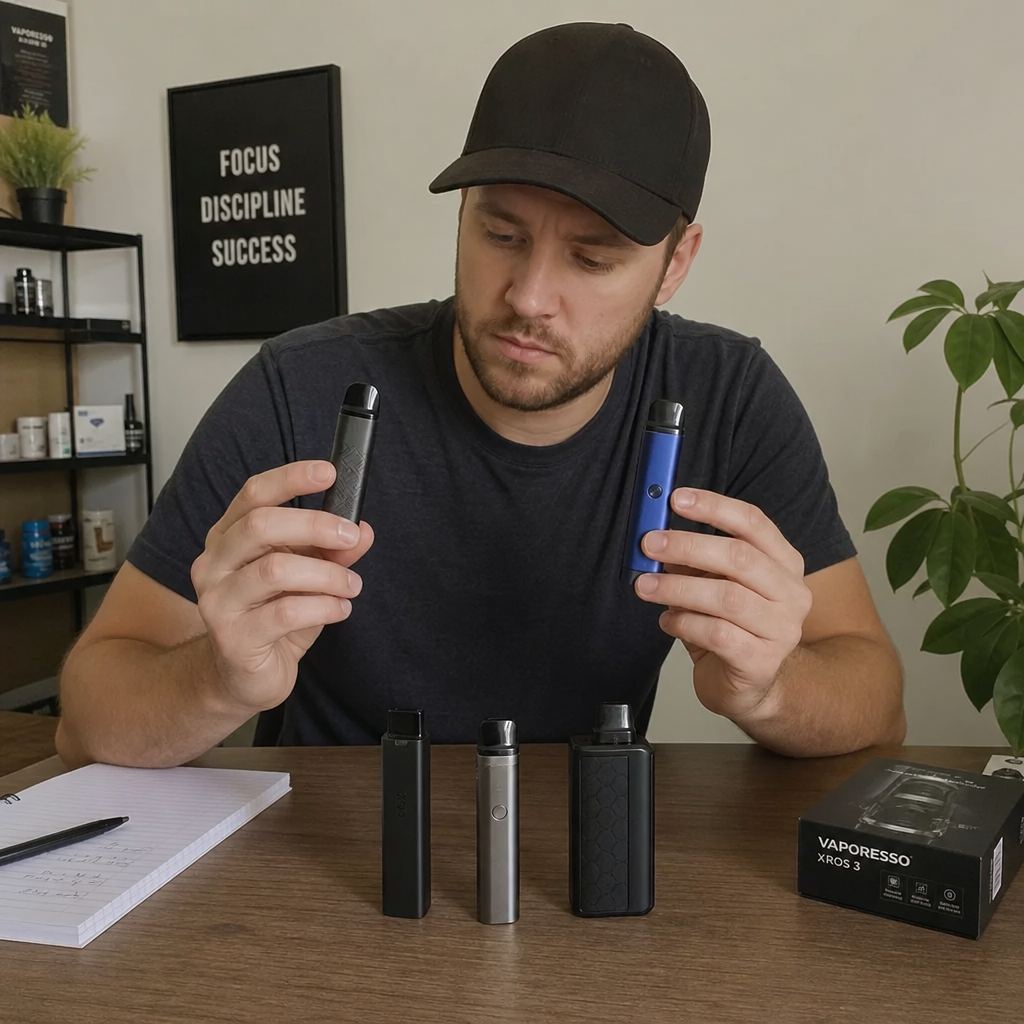

Something odd is happening on European vape shelves. French industry professionals have noticed that new e-cigarette models are becoming increasingly scarce as 2026 draws to a close. In previous years, fresh devices arrived almost weekly. This year, the pipeline has gone strangely quiet.
The numbers back up the shelf-level impression. Chinese customs data shows nicotine-product exports rose 4.2% over the first eight months of 2026 to $4.62 billion, yet device exports (HS code 85434000) have run below 2025 levels every month since May.
| Period | What the data shows |
|---|---|
| Jan to Aug 2026 | Nicotine-product exports up 4.2% to $4.62 billion |
| May 2026 onward | Device exports below 2025 levels every month |
| May to Aug 2026 | Device exports down 8.2% on the same stretch of 2025 |
Demand is not the problem. Something else is holding new hardware back.
The rule doing the freezing
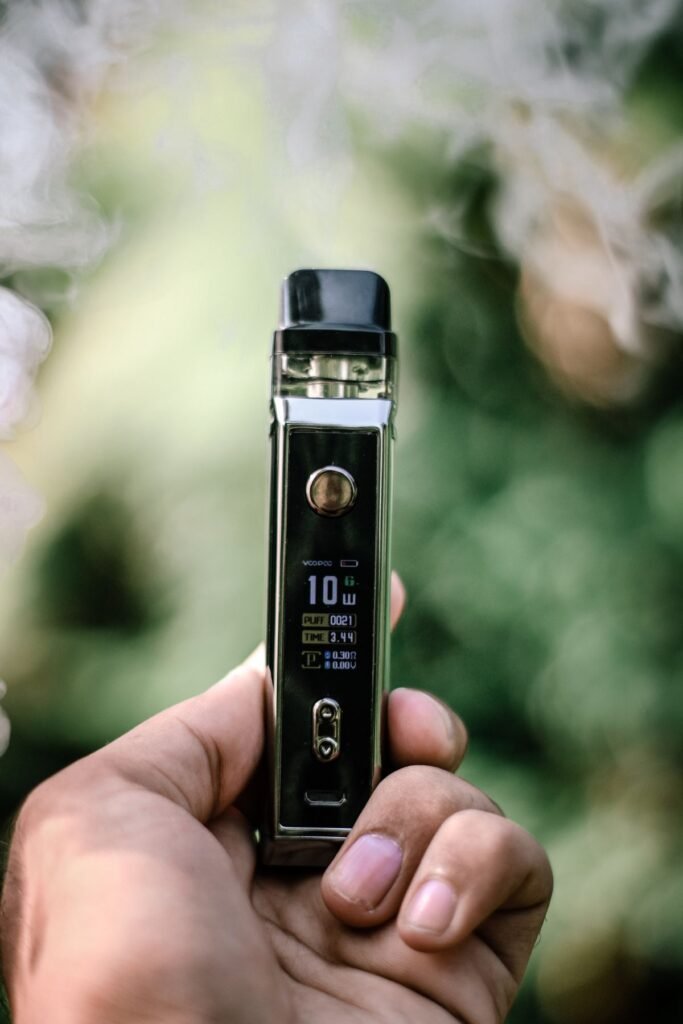
The likely culprit is Article 11 of EU Regulation 2023/1542, the bloc’s battery overhaul. From 18 February 2027, anyone placing products with portable batteries on the market must ensure the batteries are readily removable and replaceable by the end user at any time during the product’s lifetime. Removal has to work with commercially available tools, and manufacturers cannot require specialised tools, thermal energy, or solvents. Most devices currently on sale do not meet that bar.
This is not a new law. It was proposed on 10 December 2020 as part of the EU Green Deal battery overhaul, adopted by the European Parliament on 14 June 2023, and published in the Official Journal the following month. Brands have had years to prepare, but redesigning sealed hardware takes time.
The six-month trap
A second wrinkle makes the freeze worse. The EU Tobacco Products Directive forces every new vaping product to be notified six months before it can launch. A built-in-battery device notified in June 2026 could not reach shelves before December 2026, leaving roughly two months before Article 11 bites, after which only stock already delivered to distributors could still be sold. Any substantial redesign restarts the six-month clock.
That leaves manufacturers with a brutal choice: launch a device that falls foul of the rules within weeks, or hold back and redesign for replaceable batteries. Many are holding back, which is why shelves are going quiet. Brussels has already been tightening its grip on nicotine products, as our coverage of the EU market freeze shows.
What vapers should know
Nothing changes for the device already in your pocket. The rule targets new products placed on the market from 18 February 2027, and no brand withdrawals or enforcement actions under Article 11 have been reported. Still, anyone buying a device in the coming months should check how its battery is built, since sealed-in cells are precisely what the rule is phasing out. It is worth brushing up on safe handling too, so give our battery safety guide a read.
Source: Vaping Post, ‘Europe: Why Are New Vaping Products Becoming Scarce in 2026?’ (14 October 2026).