
People use the words tobacco and cigarettes as if they mean the same thing. They do not. Tobacco is the plant and the raw material. A cigarette is one manufactured product made from it, and everything the factory adds around that tobacco changes what you inhale, how addictive it is, and how much harm it can do. Once you see the two as different layers, a lot of confusing claims fall apart, including the idea that loose tobacco must be safe because it looks natural, or that a filter makes a cigarette harmless.
The one sentence answer
Tobacco is the leaf of the Nicotiana tabacum plant, dried, cured, and cut for use. A cigarette is that tobacco, blended and rolled in paper with a filter and additives, designed to burn in a controlled way. Every cigarette contains tobacco, but most tobacco never becomes a cigarette. It can end up in a cigar, a pipe, a pouch of snus, or a heated tobacco stick instead, and each of those routes carries a different risk profile. The confusion starts because the cigarette is by far the most common tobacco product, so the two words get swapped in everyday speech.
That swap matters. When someone says tobacco is harmful, they usually mean smoking it. When someone says a product is tobacco free, they usually mean it contains no tobacco leaf at all, which is a different claim from saying it is harmless. Keeping the plant, the product, and the way it is used apart is the only way to compare them honestly.
What tobacco actually is
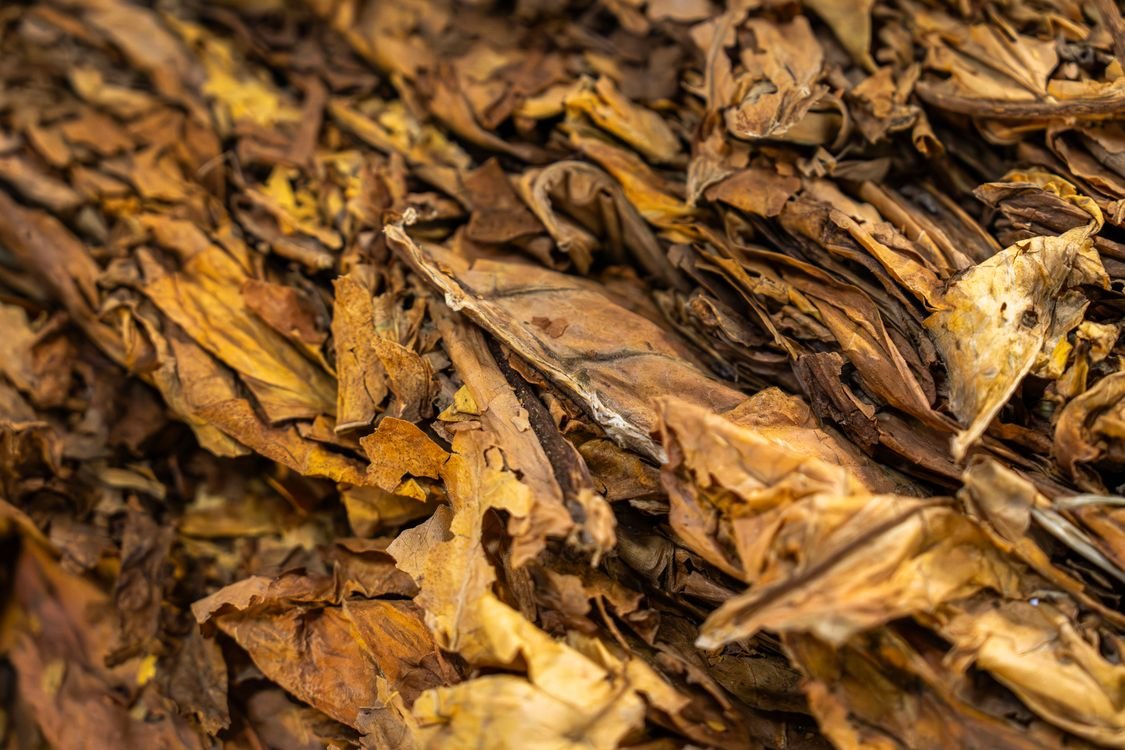
Tobacco starts as a leafy green plant grown in warm climates. The leaves contain nicotine, the chemical that makes tobacco addictive, along with the plant’s own natural compounds. Harvested leaves are dried and cured, a slow process that changes their colour, flavour, and chemistry. Curing is not a minor detail. It is the first step that turns a farm crop into something people consume, and different curing methods produce the different tobacco styles used across the industry.
At this stage you have tobacco, but you do not yet have a cigarette, a cigar, or anything else a shop sells. You have a raw material that can go in several directions, and the direction chosen decides much of what follows.
From leaf to loose tobacco
Loose tobacco, the kind sold in pouches for roll-your-own cigarettes, is cured leaf that has been cut into shreds and sometimes blended. It may have little added to it beyond the leaf itself, which is why some smokers assume it is the purer option. That assumption misses the point. Loose tobacco is still tobacco, it still contains nicotine, and once it is set alight and inhaled, it still produces smoke. The leaf being less processed does not remove the smoke, and the smoke is where most of the damage comes from.
What a cigarette adds
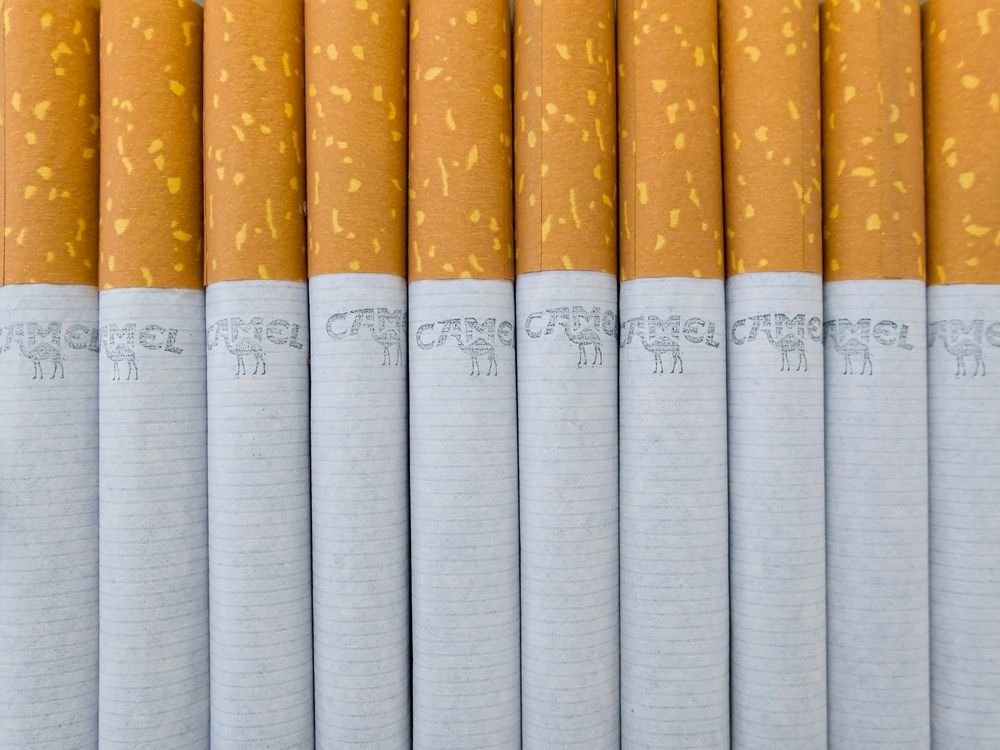
A factory cigarette starts with a tobacco blend, but the blend is only the beginning. Manufacturers mix leaf types to get a consistent taste from pack to pack, and some of the blend is reconstituted tobacco, a sheet material made from tobacco stems and scraps. The result is then rolled in paper, fitted with a filter, and packed to burn evenly. Each of those additions exists for a reason, and none of them exists to make the cigarette safe.
The tobacco blend
Consistency is the whole point of a manufactured cigarette. A smoker expects every cigarette in a pack to taste and burn the same way, and blending makes that possible. That consistency also makes the nicotine delivery predictable, which is part of why manufactured cigarettes are so effective at maintaining addiction. Loose tobacco varies more from pouch to pouch and from roll to roll, but that variation is not a health benefit. It is just less standardisation.
Paper, filter and additives
The paper wrapper controls how the cigarette burns. The filter, usually made from cellulose acetate fibres, traps some tar and particles from the smoke, but it does not trap all of them, and it does not make the smoke safe. Smokers often inhale more deeply or smoke more of each cigarette to get the nicotine they expect, which cancels out much of the filtering effect. So-called light cigarettes are not a safer choice. They are a different design, not a lower risk product.
Additives complete the picture. Sugars and flavourings shape the taste, humectants keep the tobacco moist, preservatives extend shelf life, and burn additives keep the cigarette alight between puffs. None of these are there for the smoker’s health. Some of them change how the smoke feels in the throat, which can make it easier to inhale deeply, and that is a harm in itself, not a comfort.
Combustion is where the harm multiplies
Everything above leads to the single most important distinction in this guide. Tobacco leaf itself contains nicotine and is addictive, but burning it creates something far worse than the leaf alone. When tobacco burns, it produces smoke, and smoke carries tar, carbon monoxide, and many other harmful chemicals into the lungs and bloodstream. Tar here is not one chemical. It is the sticky residue left when smoke condenses, and it coats the airways with every inhalation.
This is why the method of use matters more than the leaf. Nicotine drives the addiction, but the smoke drives most of the disease, including lung disease, heart disease, and cancers of the lung, mouth, throat, and elsewhere. A tobacco product that is burned will always sit at the harmful end of the scale, however natural its leaf looks. Smoke also harms people nearby, which is why smoking bans cover enclosed public places rather than only the smoker.
It is also why claims about filters and light cigarettes fail. Nothing added to a burning cigarette removes the smoke, and nothing about a filter changes the fact that burning plant material produces harmful chemicals. The only thing that removes the smoke is not burning the tobacco at all, and even then, as the next sections show, the product is not risk free.
Tobacco vs cigarettes at a glance
| Question | Tobacco | Cigarettes |
|---|---|---|
| What is it? | The plant leaf, dried and cured | A manufactured product made from that leaf |
| What is added? | Usually little beyond curing and cutting | Paper, filter, flavourings, humectants, burn additives |
| How is it used? | Smoked, chewed, sniffed, or heated, depending on the product | Burned and inhaled, one stick at a time |
| What drives addiction? | Nicotine in the leaf | Nicotine, delivered in a standardised dose per cigarette |
| What drives most harm? | Depends on the product, worst when burned | Smoke from combustion, including tar and carbon monoxide |
| Is it safe in any form? | No tobacco product is safe | No, and no filter or light variant changes that |
Other tobacco products, briefly
Cigarettes dominate the market, but they are only one branch of the tobacco family. Cigars are larger rolls of tobacco leaf, usually puffed rather than inhaled deeply, but the smoke still reaches the mouth and throat and still carries risk. Pipe tobacco is loose leaf smoked through a pipe, again usually without deep inhalation, and again not without risk. Roll-your-own cigarettes sit between loose tobacco and factory cigarettes: the smoker controls the amount and the paper, but the end result is still burning tobacco inhaled into the lungs.
Heated tobacco is still tobacco
Heated tobacco products use real tobacco leaf, but they heat it instead of burning it. That removes combustion, which changes the emissions, but the product still contains tobacco and nicotine, and it is not harmless. The comparison with vaping is worth reading on its own, because the two work differently even though neither involves burning. Our guide to heated tobacco vs vaping sets out where they overlap and where they split.
Snus is tobacco without smoke
Snus is pasteurised tobacco in a small pouch placed under the upper lip. There is no smoke and no inhalation, so the lung risks of smoking do not apply in the same way, but the product still contains tobacco and nicotine, and it still carries health risks, including for the mouth and gums. It also sits in a different legal position from cigarettes. Snus cannot legally be sold in the UK, a point our comparison of snus vs vaping covers alongside the health picture.
Why nicotine pouches are not tobacco
Nicotine pouches look like snus, and that similarity causes the most common mix-up in this whole topic. The difference is what is inside the pouch. Nicotine pouches contain nicotine, flavourings, and fillers, but they contain no tobacco leaf. That single fact is why they are not tobacco products, even though they deliver nicotine in a similar way to snus.
The distinction has practical consequences. Because pouches contain no leaf, they fall outside tobacco rules in some places, though the UK now applies its 18 age rule to them too. Anyone checking the current position should read the guide to nicotine pouches UK law rather than assuming the snus rules apply. The same leaf test also explains vapes. E-liquids contain nicotine and flavourings but no tobacco leaf, which is why vapes are nicotine products rather than tobacco products, a point the vape ingredients guide explains from the liquid side.
None of this makes pouches or vapes safe. It only places them correctly. Tobacco free means no tobacco leaf. It does not mean risk free, and nicotine itself remains addictive whatever product carries it.
The health picture, honestly
No tobacco product is safe, and no nicotine product is risk free. That sentence is the honest baseline, and everything else is a comparison between different levels of risk, not between risk and safety. Smoking sits at the harmful end because combustion adds smoke, tar, and carbon monoxide to nicotine addiction. Smokeless tobacco avoids smoke but brings its own risks, notably for the mouth, gums, and teeth. Heated tobacco avoids combustion but still uses real tobacco. Pouches and vapes avoid tobacco leaf entirely but still deliver addictive nicotine.
Two myths deserve direct answers. The first is that natural or loose tobacco is safe because it is less processed. It is not. Once it is burned and inhaled, it produces the same kind of smoke as any other tobacco. The second is that a filter, a light variant, or a premium brand removes the danger. It does not. The filter traps some particles, the brand changes the taste, and the smoke remains.
If the health side of this topic worries you, the cancer question is the one most readers ask next. Our guide on does vaping cause cancer looks at what the evidence actually says without overstating it, and it is a useful next read for anyone weighing smoke against other nicotine products.
What this means if you smoke
The plant versus product distinction is not academic. It decides what actually helps. Switching from factory cigarettes to loose tobacco does not remove the smoke, so it does not remove the main harm. Switching to a filter or light variant does not either. The changes that matter are the ones that remove combustion, and even those leave nicotine addiction to deal with.
For smokers who want to stop entirely, the honest route is support designed for quitting, not a different tobacco product. Our smoking stopper guide compares the stop smoking aids, pills, and products available, in general information terms, so you can see the options without a sales pitch. And if you already vape and want to stop that too, the guide on how to quit vaping covers the practical steps for breaking the habit rather than swapping it.
Frequently asked questions
Is tobacco the same as a cigarette?
No. Tobacco is the plant leaf, dried and cured. A cigarette is a manufactured product made from that leaf plus paper, a filter, and additives. Every cigarette contains tobacco, but most tobacco never becomes a cigarette.
Are roll-your-own cigarettes just tobacco?
Mostly, but not entirely. Roll-your-own tobacco is cut leaf, sometimes with little added, but the paper, the roll, and the act of burning and inhaling it produce the same kind of smoke as a factory cigarette. Less processing does not mean less smoke.
Is loose tobacco safer than cigarettes?
Not in any meaningful way when it is smoked. Loose tobacco may contain fewer additives, but once it is burned and inhaled it still produces tar, carbon monoxide, and other harmful chemicals. Smoked is smoked, however the tobacco was cut.
Do filters make cigarettes safe?
No. A filter traps some tar and particles, but it does not remove the smoke or the danger. Smokers often inhale more deeply to get the nicotine they expect, and light cigarettes are not a safer choice.
Is snus tobacco?
Yes. Snus is pasteurised tobacco in a pouch, so it is a tobacco product even though there is no smoke. That is the opposite of nicotine pouches, which contain nicotine but no tobacco leaf.
Are nicotine pouches tobacco products?
No. Nicotine pouches contain nicotine, flavourings, and fillers, but no tobacco leaf, so they are not tobacco products. The UK still applies its 18 age rule to them, so tobacco free does not mean unregulated, and it does not mean risk free.