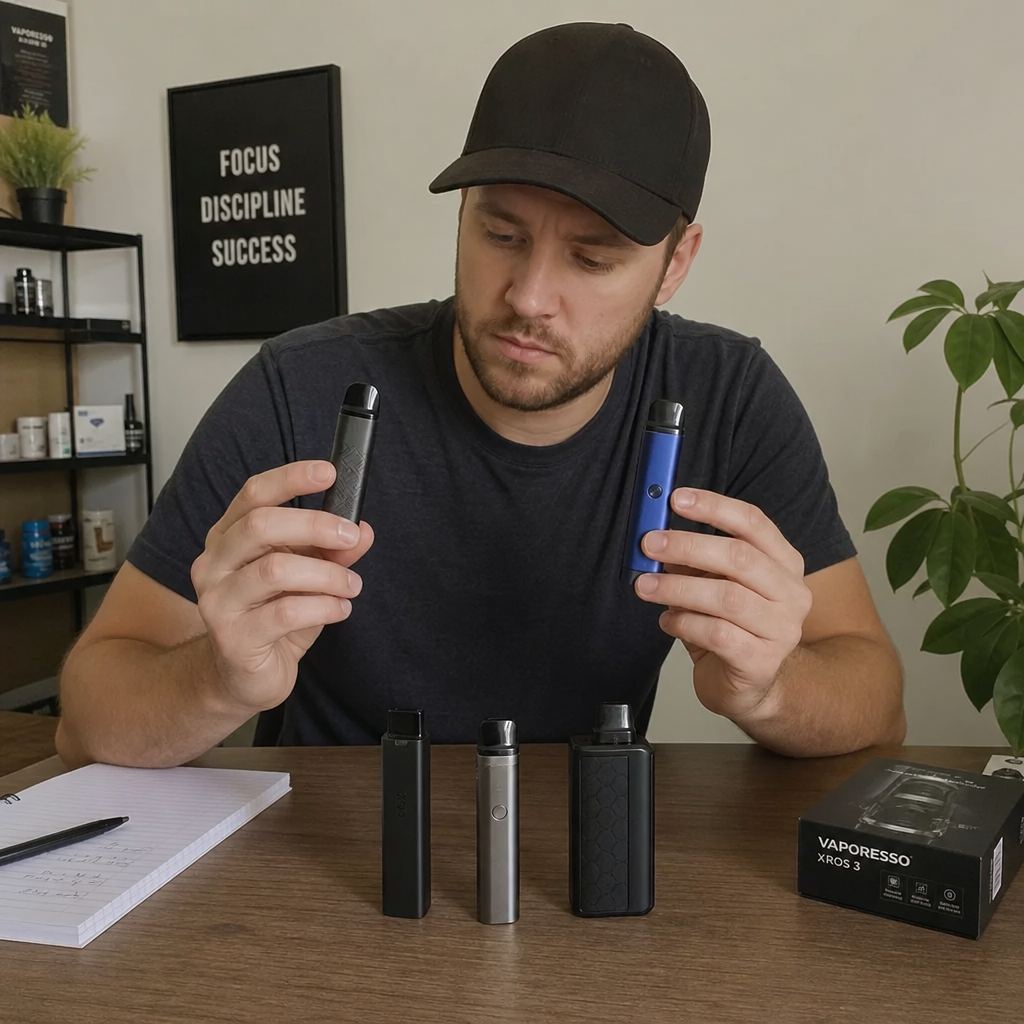

Search for carts vs vapes and you will find two words used as if they mean the same thing. They do not. A cart is one part. A vape is the whole family of devices that part can belong to. Once you see that split, every other difference falls into place.
The simplest way to hold it in your head is a coffee machine and a coffee pod. The vape is the machine. The cart is the pod. You cannot use a cart on its own, because it has no battery of its own. You can absolutely own a vape that never touches a cart, because plenty of vapes carry their liquid in a sealed disposable body or a refillable pod instead. This guide explains the difference between cart and vape in plain terms, compares them on the things that matter, and flags the one safety trap that matters most: fake carts.
The short answer
A cart, short for cartridge, is a small prefilled container of liquid with a heating coil and a mouthpiece built in. It screws onto a separate battery, usually through a 510-thread connection, and when the liquid runs out you keep the battery and replace only the cart. A vape is the broader category: any device that heats liquid into vapour you inhale, including disposables, cart batteries, prefilled pod kits and refillable pod kits.
So the question “carts vs vapes” is slightly lopsided, and that is exactly why it confuses people. You are not choosing between two equal options. You are choosing between one component and a whole shelf of devices, one of which happens to use that component. The table below settles the core comparison.
| Question | Cart | Vape (the wider family) |
|---|---|---|
| What is it? | One prefilled part: tank, coil, mouthpiece | Any complete device: disposable, pod kit, or cart battery |
| Does it work alone? | No, it needs a battery | Yes, a complete vape works out of the box |
| What do you replace? | Only the cart | The whole disposable, or just the pod |
| What do you keep? | The battery, across many carts | The device, if it is rechargeable and refillable |
| Best for | Swapping flavours without a new device | Simplicity, or full control, depending on the device |
What a cart actually is
Take a cart apart in your mind and there are four pieces. The tank holds the liquid. The coil sits inside the tank and heats the liquid when the battery sends power. The mouthpiece is what you draw through. The connector at the bottom, almost always a 510 thread, is what screws onto the battery. There is no battery, no charging port and no screen.
Most carts arrive prefilled and sealed. You do not fill them, and you are not meant to open them. When the liquid is gone, the cart is done. A small number are refillable, but those need more care, because a badly filled cart leaks and floods the coil. For most buyers, “cart” means prefilled and disposable, while the battery stays.
Cart sizes are small by design. Cannabis carts are commonly sold in half gram and one gram sizes, roughly half a millilitre and one millilitre of oil. Nicotine prefilled pods in the UK are a different product, and their tanks are capped at 2 ml. Either way a cart holds little liquid, so flavour swapping is cheap, but a heavy user will work through carts quickly.
What “vape” actually covers
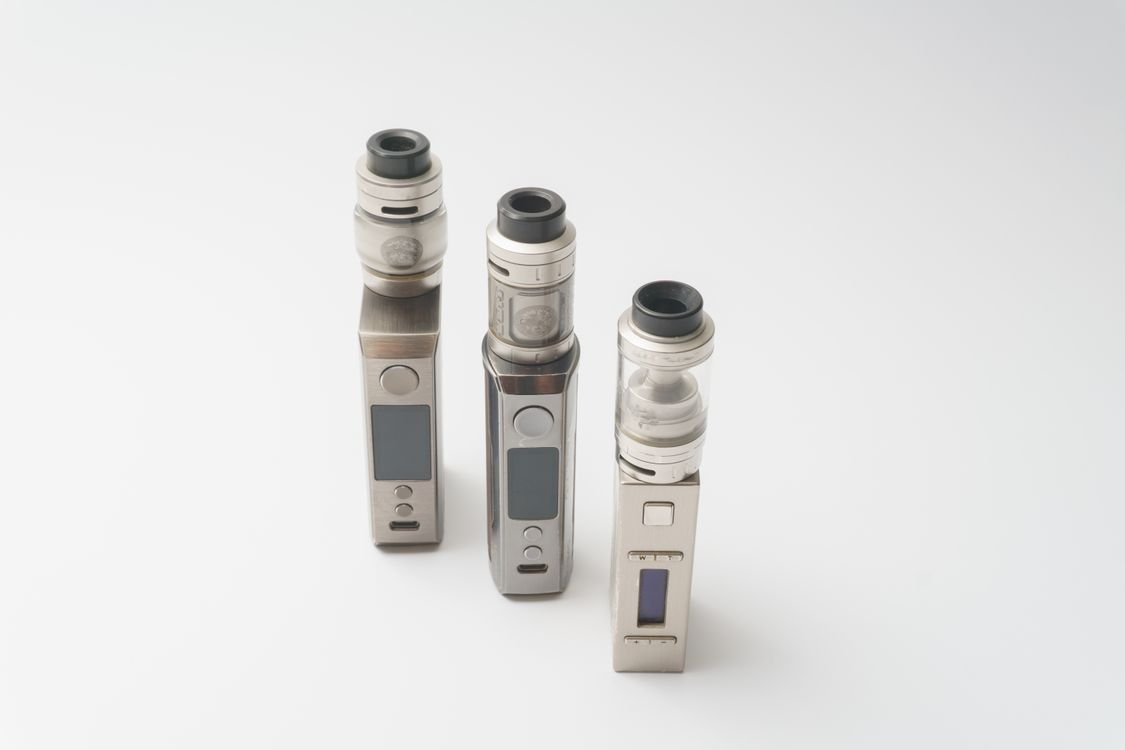
The word vape covers at least four different devices. A disposable is a sealed unit with liquid and battery built in: use it until it runs out, then the whole thing goes. A cart battery is a slim rechargeable battery made to take screw-on carts, and nothing else. A prefilled pod kit pairs a rechargeable battery with sealed pods you swap when empty. A refillable pod kit pairs one with a pod you fill yourself from a bottle. Our guide to vape kits explained walks through the full family if you want the wider picture.
How each one works
A cart setup works in two steps. Screw the cart onto the battery until it sits snug, then draw or press the button, depending on the battery. Power flows to the coil, the coil heats the liquid, and you inhale vapour. When the cart is empty, unscrew it and screw a fresh one on. The battery charges over USB, usually USB-C, and keeps going across dozens of carts.
A disposable skips the first step entirely. There is nothing to screw together, and most modern disposables are rechargeable so the battery does not die before the liquid does. A pod kit sits between the two: click a pod in, vape, and swap the pod when it is empty, or refill it if the pod is refillable. If any of this feels new, our how to vape guide covers the basic technique.
Compatibility: the 510-thread rule and its limits
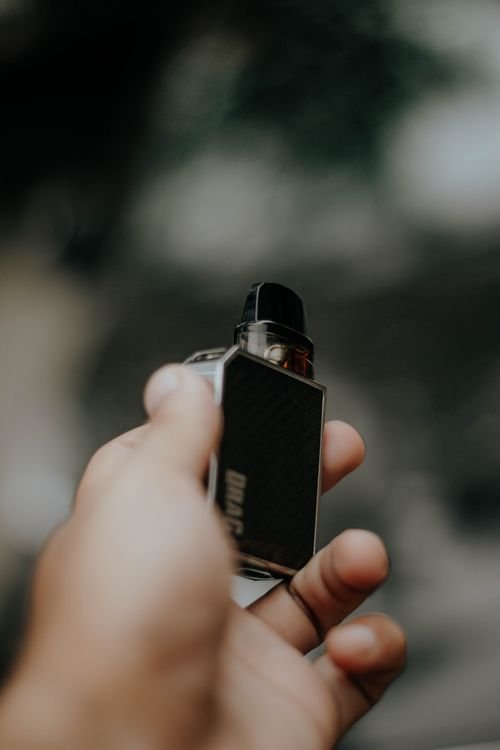
The 510 thread is the closest thing vaping has to a universal standard. It is a small screw thread, and it means most carts fit most cart batteries regardless of brand. That interchangeability is the whole appeal of the cart system: your battery is not locked to one brand of cart.
But universal does not mean unlimited. Three limits catch buyers out. First, proprietary pods are not 510 carts: a pod made for one brand’s kit only fits that kit, so do not buy a pod expecting it to screw onto a cart battery. Second, an unusually wide cart may not sit flush on a slim battery, even if the thread fits. Third, some carts need more power than a basic pen battery gives. Check the thread, the fit and the power adjustment before you assume any cart works on any battery.
Cost per ml: the only fair way to compare
Comparing sticker prices between a cart and a disposable tells you almost nothing, because you are not buying the same thing. The fair comparison is cost per millilitre of liquid, with the battery counted honestly. Take the price, divide it by the millilitres of liquid inside, and for a cart system add a small share of the battery price spread across every cart that battery will power.
Run that maths and the pattern is consistent. A disposable looks cheap on the first purchase because there is nothing else to buy, but you pay for a new battery inside every single device. A cart system costs more on day one, because you buy the battery as well as the first cart, but every cart after that is just liquid and a coil, so the cost per millilitre falls over time. That gap grows with use, and large modern disposables have narrowed it but not removed it.
Two warnings belong here. First, do not compare a cart price against a disposable price without checking the liquid volume in each. Second, a suspiciously cheap cart is not a bargain, it is a warning sign, and the fake-cart section below explains why.
Flavour range: swapping vs committing
This is where carts win most clearly. Because the cart is separate from the battery, changing flavour means unscrewing one small cart and screwing another one on. You can keep two or three flavours in rotation without owning two or three devices, and try a new flavour for the price of one cart rather than a whole device.
A disposable commits you. One device, one flavour, until it runs out. If you do not like it, you either finish it or waste it. Prefilled pod kits sit in the middle: you swap pods rather than whole devices, so flavour changes are cheap, but you are limited to the pods made for your kit. Refillable pod kits go furthest, because any bottled liquid works, but you take on filling and coil care. If flavour variety is your top priority, the ranking is refillable pods first, carts second, prefilled pods third, disposables last. Our roundup of the prefilled pod kits shows what the middle option looks like in practice.
Discretion, size and everyday carry
A cart on a slim pen battery is one of the most discreet setups available. It is pen sized, it slips into a pocket, and it produces a small amount of vapour that clears quickly. Disposables are just as pocket friendly, because there is no separate battery to carry. Pod kits are slightly chunkier but still small, while full-size devices are the least discreet and produce visibly more vapour. It only matters if you vape mostly out and about, rather than at home, where size barely registers.
Battery and charging: the practical differences
Cart batteries are small, so expect to charge more often than you would a larger pod kit. Charging is simple, USB-C on most modern batteries, with no removable cells to manage. Keep the connection clean, because leaked liquid on the thread is the most common reason a cart stops making proper contact. A quick wipe with a dry cloth fixes most “dead cart” complaints that are really dirty threads. Battery safety basics apply to every format: use the cable and charger the device came with or a reputable equivalent, do not charge a damaged battery, and do not leave a charging device unattended. When a battery is finished, or a disposable is spent, do not put it in general waste: lithium batteries need proper recycling. Our vape disposal guide explains the UK routes.
The UK note: disposables are banned, carts are not the same thing
If you are in the UK, one rule changes the comparison completely. Single-use disposable vapes are banned from sale, so the “just buy a disposable” option that dominates older guides is no longer on the shelf. The UK disposable ban explains what is covered.
What replaced disposables for most buyers is the prefilled pod kit: a rechargeable battery with sealed pods you swap, which keeps the convenience of a disposable without the throwaway device. A cart system is a close cousin, but not identical, because carts use the 510 screw thread while prefilled pods click into a specific kit. If you are choosing between them in the UK, read our pod kits vs disposables comparison alongside this guide.
Fake carts: the warning that matters most
The cart market has a counterfeit problem that the rest of vaping mostly does not. Because a cart is small, sealed and easy to copy, unregulated sellers can fill convincing packaging with unknown liquid and sell it as a known product. The liquid inside a fake cart can contain ingredients no legitimate maker would use, and no label you can trust will tell you otherwise. It is the main risk of buying carts from anywhere that is not a legitimate, accountable seller.
Run these checks before you pay. Buy from a licensed shop or a seller with a real business address and a returns policy, not a social media account. Check that the packaging is sealed, the labelling is crisp and spelled correctly, and any batch or verification code the maker offers actually checks out. Walk away from prices far below every other seller, from sellers who cannot say where their stock came from, and from any cart sold loose without packaging. Our guide on how to spot fake vapes covers the full checklist.
Cannabis carts: a separate category, briefly
Most of the carts vs vapes content online is about cannabis carts, so this needs one honest paragraph. Cannabis carts are a separate category with completely different rules. In the UK, THC products are illegal outside prescribed medical use, so a THC cart bought on the street or from an unregulated website is not a grey area, it is an illegal product with unknown contents. Hemp-derived and CBD products have their own rules that vary by country, so check local law rather than assuming a product legal somewhere else is legal where you are. The rest of this guide is about nicotine vaping, where the question is hardware, not drug law.
Which one should you pick?
Pick a cart system if you vape regularly, like swapping flavours, and want the lowest cost per millilitre over time without giving up portability. The battery is a one-time purchase, the carts are small and swappable, and the setup stays pocket sized. Accept that you will charge more often than a bigger device, and that you must buy from legitimate sellers because of the fake-cart risk.
Pick a disposable style device if you vape occasionally and want zero setup. In the UK that now means a prefilled pod kit rather than a single-use disposable. Pick a refillable pod kit if flavour choice and long-term cost matter most and you are happy to fill pods and look after coils yourself. There is no universal winner: the right answer depends on how often you vape, how much flavour variety you want, and whether you would rather pay once for hardware or pay a little extra every time for convenience.
Frequently asked questions
What is the difference between a cart and a vape?
A cart is the prefilled cartridge: tank, coil and mouthpiece, with no battery of its own. A vape is the complete device family, including disposables, cart batteries and pod kits. A cart needs a vape battery to work, while a vape does not need a cart.
Do I need a battery for a cart?
Yes. A cart has no power source, so it must screw onto a compatible battery, almost always through a 510-thread connection. The battery is bought once and reused across many carts.
Are carts cheaper than disposables?
Over time, usually yes for regular use, because you only replace the liquid and coil, not a battery every time. On the first purchase a disposable looks cheaper, because there is no separate battery to buy. Compare cost per millilitre, not sticker price, to see the real difference.
Can any cart fit any vape battery?
Most 510-thread carts fit most 510-thread batteries, but proprietary pods only fit their own kits, and unusually wide carts may not sit well on slim batteries. Check the thread type and the fit before buying.
Are carts legal in the UK?
Nicotine carts and pods sold through legitimate UK retailers follow UK product rules, including the 2 ml tank cap. Cannabis THC carts are illegal in the UK outside prescribed medical use, which is a separate question from nicotine hardware.
How do I know if a cart is fake?
Buy from a licensed shop or an accountable seller, check sealed packaging and crisp labelling, verify any batch code the maker offers, and walk away from prices far below every other seller or carts sold loose without packaging.
The confusion around carts vs vapes comes from the words doing double duty. Remember the coffee machine and the pod: the cart is the part you replace, the vape is the device you keep, and the best choice is the setup whose costs, flavours and size fit how you actually vape.