Dab Pen vs Vape Pen: The Quick Answer
Dab pen vs vape pen comes down to one core difference: what the device is actually built to heat. A dab pen is designed specifically for cannabis concentrates, things like wax, shatter, or rosin, using a coil or chamber built to handle thick, sticky material. A vape pen is a broader term that usually refers to devices built for e-liquid, whether that’s nicotine e-liquid or cannabis oil in a cartridge, using a wicking system suited to thinner liquid.
Both fall under the general vape pen category in casual conversation, which is exactly why the terms get mixed up so often. Understanding what each device is actually built to heat clears up most of the confusion, and it matters a lot when picking the right one for what someone actually wants to use.
What Is a Dab Pen?
What Dab Pens Are Built to Heat
A dab pen is built specifically for cannabis concentrates, thick, often sticky materials like wax, shatter, budder, or rosin. These concentrates are typically loaded directly into a small chamber or coil rather than absorbed by a wick, since their thicker consistency doesn’t move through a wicking system the way thinner e-liquid does. Some dab pens include a small dab tool for handling and loading concentrate, since it’s usually too sticky to load with fingers alone.
How a Dab Pen Actually Works
Most dab pens use a coil, ceramic, or quartz heating element housed in a small chamber, often referred to as an atomizer or coil head. Concentrate is placed directly onto or into this heating element, and a battery, usually with adjustable voltage or temperature settings on higher end models, heats it enough to vaporize the concentrate. Draw activation and button activation both exist across different models, with button activated dab pens generally offering more consistent heat control.
What Is a Vape Pen?
Nicotine Vape Pens vs Cannabis Vape Pens
Vape pen is a broader umbrella term, and this is where a lot of the dab pen vs vape pen confusion actually starts. Nicotine vape pens use e-liquid, generally propylene glycol, vegetable glycerin, nicotine, and flavoring, in a tank or pod filled with liquid that a wick draws up to the coil. Cannabis vape pens, often using pre-filled oil cartridges, work on a similar wicking principle but with cannabis oil instead of nicotine e-liquid, which is closer in mechanism to a nicotine vape pen than to a dab pen.
This overlap is part of why “vape pen” gets used so loosely. A cannabis oil cartridge vape pen and a dab pen are both cannabis devices, but they’re mechanically closer to different categories, the cartridge vape pen shares more in common with a nicotine vape than with a dab pen built for concentrate.
How a Vape Pen Actually Works
A standard vape pen uses a wick, usually cotton, to draw liquid from a tank, pod, or cartridge to a coil. The coil heats up when activated, vaporizing the liquid that’s saturated the wick. This wicking system is specifically designed for thinner liquids, which is exactly why it doesn’t work well with thick cannabis concentrate, the material simply won’t wick properly the way it needs to for consistent vaporization.
Dab Pen vs Vape Pen: Side-by-Side Comparison
| Factor | Dab Pen | Vape Pen |
| Material used | Cannabis concentrate (wax, shatter, rosin) | E-liquid or cannabis oil |
| Heating method | Direct heat on coil or chamber | Wick draws liquid to coil |
| Loading process | Manual, often with a dab tool | Fill tank or insert cartridge |
| Typical potency | Higher, concentrate is more potent | Varies, generally lower per puff for oil cartridges |
| Maintenance | Regular coil cleaning needed | Wick replacement, tank cleaning |
| Common users | Experienced concentrate users | Broader range, beginners to experienced |
This table captures the core dab pen vs vape pen distinction clearly: it’s really a difference in what material the device is engineered to heat, not a difference in overall quality or purpose.
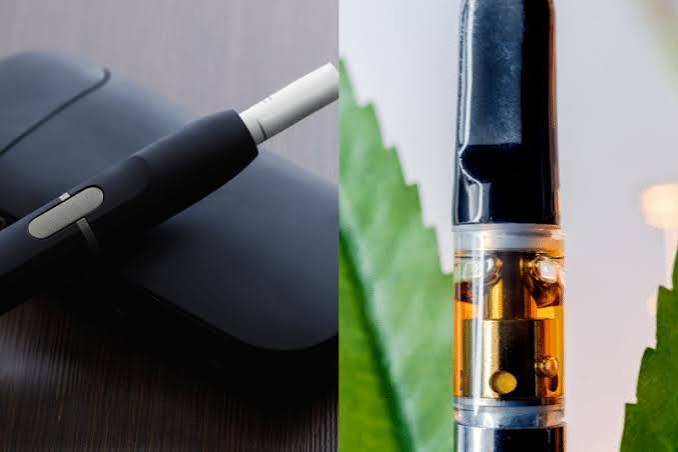
Wax Pen vs Dab Pen: Is There a Difference?
Wax pen vs dab pen is mostly a naming difference rather than a functional one. “Wax pen” and “dab pen” are generally used interchangeably to describe the same category of device built for cannabis concentrate. Some retailers use “wax pen” specifically for devices marketed toward wax concentrate, while “dab pen” gets used more broadly to cover wax, shatter, rosin, and other concentrate types, but the devices themselves work the same way.
A few names that all point to roughly the same device category:
- Dab pen
- Wax pen
- Concentrate vaporizer
- Dab vape pen
None of these represent a meaningfully different device, they’re overlapping marketing terms for concentrate-focused vaporizers.
Heating Method Compared: Coil, Ceramic, and Quartz
Heating element material matters more in dab pens than it typically does in standard vape pens, since it directly affects flavor and vapor quality with concentrate. Coil heating elements are the most common and affordable option, generally offering solid performance but sometimes imparting a slight metallic taste over time as the coil wears. Ceramic heating elements tend to heat more evenly and are often considered a step up for flavor preservation, since they distribute heat more gently across the concentrate. Quartz heating elements heat up the fastest and are popular for their clean flavor, though they can be more fragile than ceramic or coil options.
Standard nicotine and cannabis oil vape pens mostly rely on simpler coil-based wicking systems, since the wicking mechanism itself, not the heating element material, is doing most of the work in shaping vapor quality.
Which One Is Easier to Use Day to Day?
Vape pens are generally considered easier for daily use, mainly because loading a cartridge or refilling a tank is a cleaner, faster process than loading concentrate onto a dab pen’s coil. Dab pens require more hands-on handling, since concentrate needs to be portioned and loaded manually, often with a dab tool, which adds a small learning curve for anyone new to using them.
That said, once someone’s used to loading a dab pen, it’s not particularly difficult, it’s just a different process than popping in a cartridge or filling a tank. The bigger day to day difference tends to be maintenance frequency, covered next.
Vapor and Flavor Differences Between the Two
Concentrate used in a dab pen tends to deliver stronger flavor and higher potency per hit compared to a typical cannabis oil cartridge in a standard vape pen, since concentrates are generally more potent and less diluted than cartridge oil. Vape pens using oil cartridges tend to offer smoother, more consistent hits, partly because manufacturers formulate cartridge oil with viscosity and flow specifically tuned for the wicking system.
Nicotine vape pens are a separate comparison entirely on this front, since flavor and vapor characteristics there depend on e-liquid formulation, VG/PG ratio, and coil resistance rather than concentrate potency.
Maintenance and Cleaning: What Each Device Actually Requires
Dab pens generally need more frequent cleaning, since concentrate residue builds up on the coil or chamber fairly quickly and affects flavor if left unaddressed. Regular cleaning with isopropyl alcohol and cotton swabs is standard practice for most concentrate vaporizer users. Vape pens using tanks or cartridges need less frequent deep cleaning, though wicks do need periodic replacement, and tanks benefit from occasional cleaning to prevent flavor carryover between different e-liquids.
A few maintenance basics worth knowing for either device type:
- Clean coils or chambers regularly to prevent buildup affecting flavor
- Store concentrate or e-liquid properly to maintain consistency and potency
- Replace coils or wicks based on manufacturer guidance rather than waiting for noticeable flavor decline
- Keep batteries charged appropriately, since heating elements in both device types perform poorly on low battery
Which One Should You Actually Get?
This depends entirely on what material someone actually wants to use. Anyone specifically wanting to use cannabis concentrate needs a dab pen, a standard vape pen’s wicking system genuinely isn’t built to handle wax or shatter properly. Anyone using nicotine e-liquid or cannabis oil cartridges should go with a standard vape pen instead, since that’s exactly what the wicking system is designed for.
A quick decision guide:
- Want to use wax, shatter, or rosin: dab pen
- Want to use nicotine e-liquid: standard vape pen or pod system
- Want to use pre-filled cannabis oil cartridges: standard vape pen designed for cartridges
How Much Does a Dab Pen Cost?
Pricing varies a fair amount depending on build quality, heating element material, and temperature control features.
| Dab Pen Type | Typical Price Range | Notes |
| Basic coil dab pen | $20-$40 | Entry level, fixed or limited voltage |
| Ceramic/ quartz mid-range | $40-$80 | Better flavor preservation, adjustable settings |
| High-end variable temp dab pen | $80-$150+ | Precise temperature control, longer battery life |
Standard nicotine or cartridge vape pens tend to fall in a similar or slightly lower price range depending on device type, though pod systems and disposables introduce their own separate pricing structure entirely.
Where This Fits Into the Bigger Vaping Picture
Dab pen vs vape pen is really a device-category question, separate from the bigger picture questions people often have around vaping generally, like vaping vs smoking or how vape smoke vs weed smoke compare chemically. Both dab pens and vape pens avoid combustion, which is the same underlying mechanism that makes vaping generally lower risk than smoking either tobacco or cannabis flower directly, but the specific device someone needs still comes down to the material they’re actually using.
Anyone weighing a weed pen vs vape decision more broadly is really asking a version of the same dab pen vs vape pen question, just with different terminology depending on the retailer or community using it.
Frequently Asked Questions
What is the difference between a dab pen and a vape pen?
A dab pen is built to heat cannabis concentrate like wax or shatter using direct heat on a coil or chamber, while a vape pen uses a wicking system designed for thinner liquids like e-liquid or cannabis oil cartridges. The core difference is what material each device is engineered to handle.
What is a dab pen used for?
A dab pen is used specifically for vaporizing cannabis concentrates such as wax, shatter, budder, or rosin. It’s not designed for e-liquid or dry flower, since its heating chamber is built around thicker, stickier material.
Is a wax pen the same as a dab pen?
Yes, wax pen and dab pen are largely interchangeable terms describing the same category of concentrate vaporizer. Some retailers use “wax pen” specifically for wax concentrate, but the devices function the same way regardless of the name used.
How much does a dab pen cost?
Basic coil-based dab pens typically start around $20 to $40, while mid-range ceramic or quartz models run $40 to $80. High-end dab pens with variable temperature control can cost $80 to $150 or more depending on features and build quality.
Can you use a vape pen for dabs?
Not effectively. A standard vape pen’s wicking system is designed for thinner liquid and generally cannot handle thick concentrate properly, which can clog the wick or damage the coil. Concentrate needs a dab pen’s direct heating chamber to vaporize correctly.

