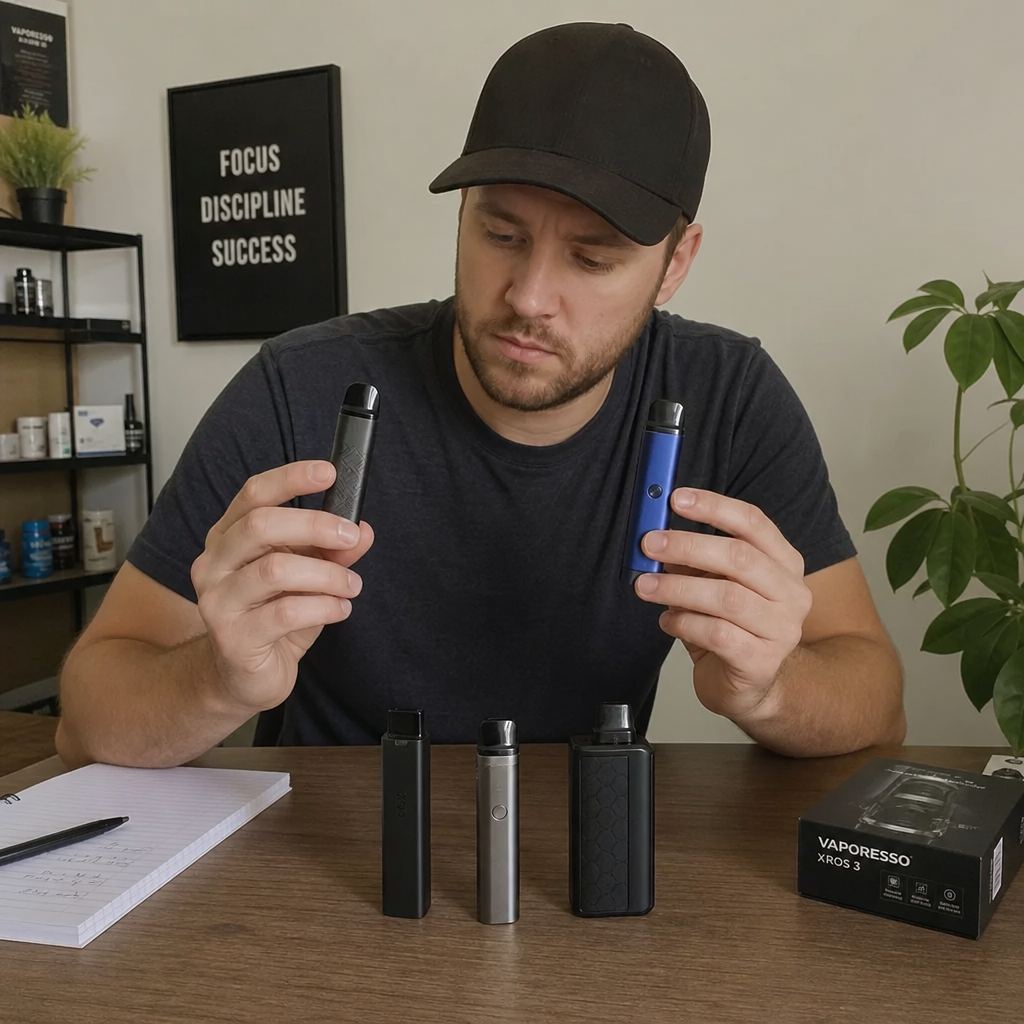

You land in Amsterdam, step out of the station, and reach for your vape before checking the local rules. That is where visitors get caught out, because Dutch law treats vaping almost exactly like smoking, then adds restrictions of its own.
Vaping is legal for adults here, but you cannot buy flavoured e-liquid in a Dutch shop, order a vape online for delivery to a Dutch address, or vape indoors in a bar, restaurant, workplace, or on public transport. You can buy a tobacco flavoured product, in person, from a specialist shop, if you are 18 or older, and use it where smoking is allowed.
This guide covers who can buy, what can be sold, where you can vape, what travellers need to know, and what is changing next. For the product limits underneath Dutch law, see the EU TPD rules.
The short answer first
The Dutch government wants fewer people, especially young people, to start using nicotine, and it is prepared to make legal vaping narrower and less convenient to achieve that. The country is working towards a smoke free generation by 2040. Vaping is not banned, but the legal route is narrow by design.
| Question | The Dutch position in plain terms |
|---|---|
| Is vaping legal? | Yes, for adults aged 18 and over |
| Which flavours can shops sell? | Tobacco flavour only |
| Can you buy vapes online? | No, online sales to Dutch addresses are banned |
| Where can you buy in person? | Specialist shops only |
| Strongest nicotine allowed | 20 mg/ml, under EU product rules |
| Largest nicotine tank or pod | 2 ml, under EU product rules |
| Can you vape indoors in public? | No, banned like smoking |
| Are nicotine pouches sold legally? | No, sales banned since January 2025 |
| Is there a vape excise tax yet? | No, but a national tax is planned for 2029 |
How the rules tightened, step by step
Dutch vape law tightened in stages, and the stages matter because older travel blogs still describe rules that no longer exist. Online sales were banned in 2023, closing the easiest route for buyers and for sellers based outside the country. Supermarkets, hotels, restaurants, and bars stopped selling tobacco and vaping products in July 2024. From 2025, sales narrowed further to specialist shops. Petrol stations are on a longer phase out path, with the end point being specialist shops only.
Every step removes one more everyday place where a teenager might casually encounter vapes, and pushes the remaining legal trade into specialist shops. Visitors who remember buying a vape in a Dutch supermarket are remembering a system that has already closed.
Who can buy, and how age checks work
The legal age for buying vapes in the Netherlands is 18. That applies to devices, e-liquids, pods, and disposables, whether or not they contain nicotine. Shops must refuse a sale to anyone under 18, and buying on behalf of someone underage is also prohibited.
Expect to be asked for ID if you look under 25. A passport, a European identity card, or a driving licence is the normal proof, so travellers should carry one. Staff in specialist shops check ages routinely, because the penalties for getting it wrong fall on the seller.
There has been discussion about raising the purchase age to 21, and about a generational ban for people born after a certain date. Neither is current law. The age to remember is 18. For a neighbour that also sets its bar at 18, see the UK vaping age guide.
The flavour rule that changes everything
Since the start of 2024, shops in the Netherlands may sell only tobacco flavoured e-liquids and vapes. Fruit, menthol, dessert, candy, drink, and every other non tobacco flavour is banned from sale. The rule applies to bottled e-liquid, prefilled pods, and disposables, whether or not they contain nicotine. It also restricts the ingredients that can be used to create a tobacco flavour, so even legal tobacco products are deliberately plain, and packaging cannot suggest a non tobacco flavour.
Two misunderstandings follow. First, the flavour ban is a sales ban, not a possession ban for ordinary travellers. Bringing a small amount of flavoured e-liquid for your own personal use in your luggage is generally treated differently from selling it or importing it commercially. That does not create a right to resell anything once you are in the country, and arriving with bulk stock is a different matter entirely.
Second, the ban has not wiped out flavoured products. Inspectors have found violations in a substantial share of targeted checks, and large numbers of illegal flavoured vapes have been seized. A bargain flavoured disposable from an informal seller is not a loophole. It is the product the ban was written to stop.
What a legal Dutch vape actually looks like
Under EU product rules, nicotine strength cannot exceed 20 mg/ml in a consumer e-liquid. A tank or prefilled pod for a nicotine product cannot hold more than 2 ml. Refill bottles are capped at 10 ml. Packaging must be child resistant and tamper evident, and must carry the required health warnings. Manufacturers must notify products before they go on sale, and health related claims are not allowed.
That is why a high puff disposable advertising a huge liquid capacity should raise a question. A compliant nicotine disposable cannot scale up its tank and still meet the 2 ml limit.
There is no blanket ban on disposable vapes as a format in the Netherlands, which sets it apart from neighbours that have banned single use devices outright. A disposable can be legal if it meets every rule: tobacco flavour, 20 mg/ml or less, 2 ml or less, notified, correctly labelled, and sold through a specialist shop. Most flavoured or oversized disposables fail at least one of those tests.
Where you can buy, and where you cannot
The short version: in person, from a specialist shop, and nowhere else convenient. Online sales, including webshops, social media sales, phone orders, and other distance selling to Dutch addresses, are banned. That covers domestic sellers and cross border shipments. If a website offers to ship vapes to the Netherlands, it is operating outside the legal channel.
Display rules matter too. Outside specialist shops, tobacco and vape products must be hidden from view, with neutral and sober presentation and no advertising visible to passers by. Specialist shops have a limited exemption for advertising and display inside the shop, under strict conditions, including that it must not be visible from outside and must not target underage customers. You will not browse vapes in a high street window display. You walk into a specialist shop, ask, and buy.
Where you can vape, and where you cannot
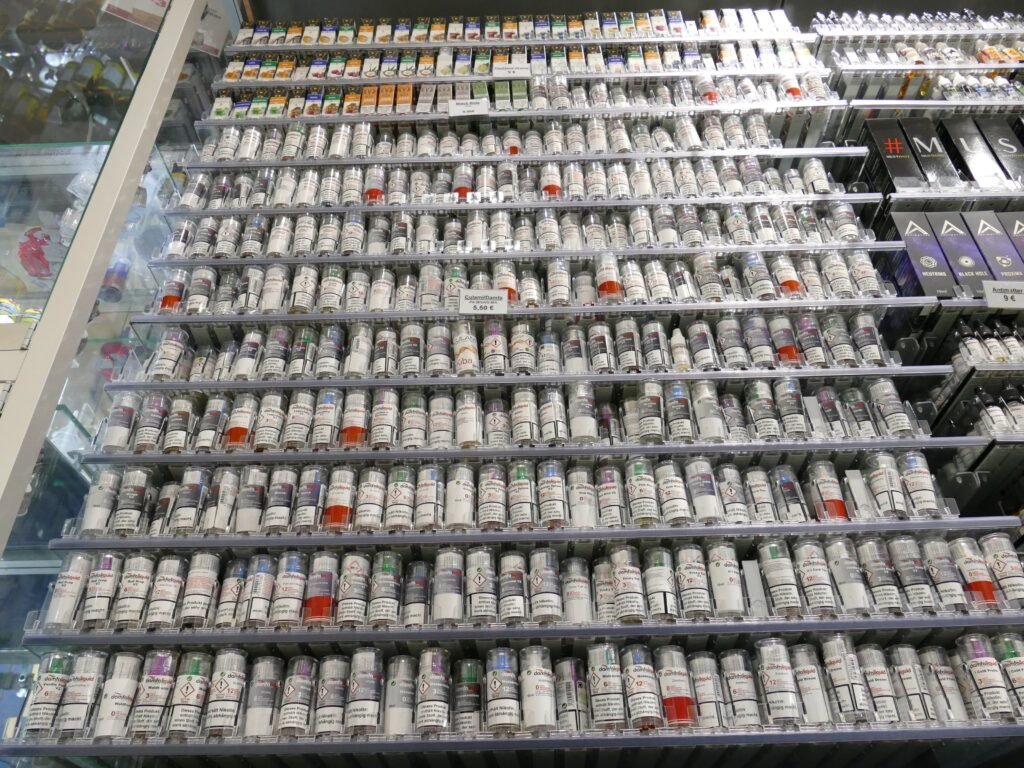
If smoking is banned in a place, vaping is banned there too. That means no vaping indoors in public places, workplaces, restaurants, bars, cafes, hotels, sports facilities, and public buildings. Indoor smoking rooms in workplaces and public buildings have been banned, so there is no indoor refuge.
Public transport is fully covered: no vaping in trains, buses, trams, or taxis, and no vaping on enclosed station platforms or waiting areas. Major operators apply the ban across station premises, including open air platforms, so do not assume an outdoor platform is automatically fine. School grounds are also smoke free and vape free, including universities and childcare settings. Many private workplaces and healthcare premises add their own bans on top of the legal minimum.
Outdoor terraces of bars and restaurants are the main exception, and even that is not guaranteed. Vaping on an open air terrace is generally permitted unless the venue has its own ban, which many do. Check the signs and ask staff first.
Amsterdam adds a local layer, with street level restrictions in parts of the centre. Look for local signs, respect venue rules, and bin vape waste properly, since littering streets or canals can draw a municipal fine.
Pouches, snus, and the cannabis confusion
Nicotine pouches are the clearest case. Sales of tobacco free nicotine pouches have been banned since January 2025, following earlier limits on pouch nicotine content, and the ban covers sale and commercial distribution regardless of flavour or strength. Visitors should not expect to buy pouches legally in a Dutch shop.
Oral tobacco, including snus, is also banned in the EU, with chewing tobacco as the narrow exception.
Cannabis is the product tourists misunderstand most. Cannabis remains technically illegal under Dutch drug law, even though licensed coffeeshops are tolerated for small personal sales under strict conditions. That tolerance does not extend to vapes, does not make THC vapes legal, and does not protect anyone carrying a THC vape through customs. A THC vape at the border is a drug matter, not a vaping matter. Do not bring one, and do not assume a CBD product bought elsewhere is automatically legal in the Netherlands, since THC thresholds differ between countries.
Travelling to the Netherlands with a vape
Pack correctly and keep quantities personal. Carry devices and spare lithium batteries in hand luggage, never in checked baggage, because of fire risk rules on every airline. Keep e-liquid bottles within cabin liquid rules: containers of 100 ml or less, inside a single transparent resealable bag. Do not vape on the aircraft or inside the terminal. Dutch airport terminals are smoke free and vape free, and indoor smoking areas have been phased out.
At customs, the distinction is personal use versus commercial supply. A device or two and a reasonable amount of liquid for your own trip is a personal traveller position. Sealed multipacks, bulk liquid, or stock clearly intended for resale is a commercial position, and that is where seizure and penalties become likely. Keep quantities modest, and do not carry products for someone else.
The Netherlands is not the only country in this series with a strict position. The Ireland vaping laws guide shows a different balance of retail and flavour rules. The France vaping laws guide covers a country that moved to ban disposables outright.
Advertising, tax, and enforcement in brief
You will notice how little vape and tobacco advertising there is in the Netherlands. Advertising and sponsorship for tobacco products are broadly banned, with only a limited specialist shop exemption for inside shop advertising under strict conditions. Displays outside specialist shops are banned, as are free samples and product placement. Legal Dutch sellers do not promote flavoured products with home delivery on social media, so treat such promotions with suspicion.
On tax, the Netherlands currently applies no dedicated excise duty on vapes. Prices include normal sales tax, but there is no separate per millilitre vape tax in force today. A national vape excise duty is planned for 1 January 2029, with the bill expected to go to parliament as a standalone measure in early 2027. The stated aim is to bring vaping prices closer to cigarette prices, particularly to discourage young people from starting. No per millilitre rate has been set, so any article quoting a Dutch vape tax rate today is getting ahead of the law. The national plan is also a fallback: if an EU wide vape tax approach lands first, the Netherlands has said it would withdraw its national bill.
Enforcement is active but not yet fully in control of the illegal market. Targeted inspections have found violations in a large share of shops checked, and since 2025 the authorities have confiscated hundreds of thousands of flavoured vapes. Repeat offenders face fines that can reach five figures, plus destruction costs.
What could change next
Three changes are worth watching, with their status kept honest. Plain packaging for vaping products has been discussed and notified at EU level, with the standstill period extended into early 2026. That is a proposal in process, not a rule in force today, and its final form and start date are not confirmed.
The 2029 vape tax bill is expected in parliament in early 2027. Until the bill is published, there is no rate to quote and no final scope to describe. The wider EU review of tobacco product rules could eventually set bloc wide standards for flavours, nicotine limits, packaging, and pouches. If it lands, Dutch rules could be reshaped from Brussels as well as from The Hague.
What is not expected to change quickly is the core trio: tobacco flavours only, no online sales, and specialist shops only.
A practical checklist
Carry ID if you look under 25. Buy only in person from a specialist shop, and only tobacco flavours if you want to stay legal. Do not order online for delivery to a Dutch address, or resell anything you bring in. Vape only where smoking is allowed, never indoors in public, on public transport, or on school grounds. Pack devices in hand luggage, keep quantities personal, and do not bring THC vapes.
Frequently asked questions
Can I vape in Amsterdam?
Yes, as an adult, where smoking is allowed, such as an open air terrace that permits it. You cannot vape indoors in public places, on public transport, or on school grounds, and local and venue rules can be stricter.
Can I buy flavoured vapes in the Netherlands?
No, not legally. Shops may sell tobacco flavour only.
Can I order vapes online in the Netherlands?
No. Online and distance sales to Dutch addresses are banned, including cross border shipments.
Are disposable vapes banned in the Netherlands?
No, not as a format. A disposable can be legal if it meets every rule on flavour, nicotine, tank size, notification, labelling, and specialist shop sale.
Can I bring my own vape to the Netherlands?
Yes, for personal use, with devices and batteries in hand luggage and liquids within cabin rules. Do not bring THC products.
Are nicotine pouches legal in the Netherlands?
No. Sales have been banned since January 2025.
Is there a vape tax in the Netherlands?
No dedicated vape excise duty is in force today. A national vape tax is planned for 2029, but no rate has been set.
The bottom line
The Netherlands has chosen a clear position. Vaping is legal for adults, but only in its plainest form, only through specialist shops, and only where smoking is already allowed. Tobacco flavour only, no online sales, 18 and over, 20 mg/ml and 2 ml product limits, no indoor public vaping, no legal pouch sales, and no vape excise duty yet, with a tax planned for 2029.
That makes the Netherlands one of the strictest vape markets in Europe for what you can buy, even though it has not banned disposables outright. If you plan a trip, buy legally and vape where smoking is allowed. For a starting point on the wider site, the VapeFeat homepage collects the current guides and reviews in one place.