Most people asking about vape juice flavors actually want two different things at once: what’s inside the bottle, and which flavors are worth trying. Vape juice flavors come from food-grade flavor concentrates suspended in a base of propylene glycol and vegetable glycerin, with nicotine included only when the specific product calls for it. This guide breaks down exactly what vape juice flavors are made of, covers the major flavor categories, and answers the safety and handling questions that come up constantly around storage, ingestion, and composition.
The goal is a complete, practical reference: real ingredient breakdowns, flavor category explanations, and honest answers to the safety questions people search for most.
What Is Vape Juice Made Of (The Ingredients Behind Every Flavor)
Every bottle of vape juice, regardless of flavor, is built from the same basic formula: propylene glycol (PG), vegetable glycerin (VG), flavorings, and optionally nicotine. These four components work together to determine everything from how thick the vapor is to how strongly a specific flavor comes through on each inhale.
- Vegetable Glycerin (VG) – a thick, slightly sweet liquid derived from plant oils like soy, palm, or coconut, responsible for vapor production and a smoother inhale
- Propylene Glycol (PG) – a much thinner, nearly odorless liquid that carries flavor efficiently and contributes to the throat hit many vapers prefer
- Flavorings – food-grade concentrates using the same compounds found in food manufacturing, including vanillin, ethyl maltol, menthol, and various fruit extracts
- Nicotine – optional, typically ranging from 3mg to 50mg depending on whether it’s freebase or nicotine salt formulation
Both PG and VG are classified by the FDA as generally recognized as safe for oral consumption, though vaping them involves heating and inhalation rather than ingestion, which is a meaningfully different exposure. It’s also worth knowing that the FDA added PG and VG to its list of harmful and potentially harmful constituents in April 2026, a classification that reflects ongoing regulatory review of inhaled exposure rather than a claim that either ingredient is unsafe in its typical food or cosmetic use.
Nicotine itself comes in two main forms across vape juice flavors: freebase and nicotine salt. Freebase nicotine is the traditional form used in e-liquids for years, generally producing a stronger throat hit at higher concentrations. Nicotine salts, which use a slightly different chemical structure, allow higher nicotine concentrations to feel smoother, which is part of why they’ve become the standard choice for pod-based systems and smaller devices.
Vape Juice Flavors by Category
Beyond the base ingredients, vape juice flavors generally fall into a handful of recognizable categories, largely the same groupings used across any list of best vape flavors, each built around a specific flavor concentrate approach.
Fruity Vape Juice Flavors
Fruity vape juice flavors remain the most common and best-refined category across nearly every brand, largely because fruit flavor concentrates have been developed and improved the longest. Strawberry, watermelon, and mango-based blends consistently rank among the most popular fruity options, offering a wide range from single-note simplicity to complex multi-fruit combinations. Grape-based vape juice flavors also perform consistently well, striking a balance between natural tartness and sweetness that holds up across a full bottle.
Citrus-based vape juice flavors round out the fruity category, with lemon and orange profiles working particularly well as a palate cleanser between sweeter flavors. These brighter, more acidic profiles tend to be less prone to flavor fatigue compared to heavier fruit blends, making them a solid rotation option for anyone vaping the same device throughout a full day.
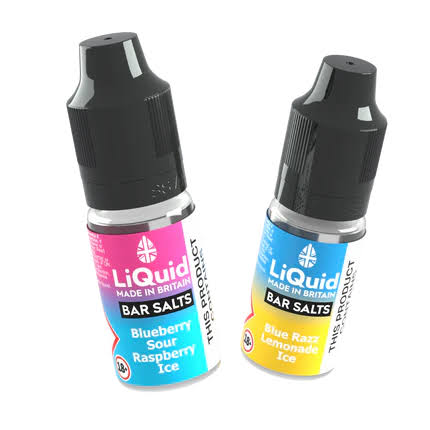
Menthol Flavored Vape Juice
Menthol flavored vape juice serves a different purpose than fruit or dessert options, delivering a cooling sensation that works well as a standalone flavor or layered over other profiles. This category tends to be the most polarizing, since menthol intensity varies significantly between manufacturers and formulations. Anyone newer to menthol vape juice flavors should generally start with a milder mint before moving to a stronger, more intense cooling blend.
Dessert & Vanilla Vape Juice Flavors
Dessert and vanilla vape juice flavors reward a bit more patience than fruit-based options, since custard and cream-based flavor concentrates typically benefit from a steeping period before the full flavor profile develops. Vanilla custard blends remain some of the most consistently well-reviewed dessert vape juice flavors, balancing rich sweetness with a smoother, creamier finish rather than tasting artificially sugary. These flavors tend to work best as an occasional treat given their higher overall sweetness intensity.
Coffee & Herbal Vape Juice Flavors
Coffee-based vape juice flavors have improved significantly in recent years, moving away from vaguely sweetened, generic coffee-adjacent tastes toward more accurate, genuinely brewed-coffee profiles. Herbal vape juice flavors, including options built around green tea or botanical extracts, represent a smaller but growing category for anyone wanting something outside the standard sweet or fruity norm. Both categories tend to appeal more to experienced vapers who’ve already worked through the more common fruit and dessert options.
Banana & Chocolate Vape Juice Flavors
Banana flavored vape juice tends to work particularly well in dessert-style blends, often paired with peanut butter, cream, or chocolate for a more complex profile than banana alone. Chocolate vape juice flavors remain less common than other dessert categories, largely because chocolate is genuinely difficult to replicate accurately in flavor concentrate form without tasting either too sweet or slightly artificial. When done well, chocolate-based vape juice flavors tend to pair best with vanilla or caramel undertones rather than standing entirely on their own.
How VG/PG Ratio Changes Vape Juice Flavors
The VG/PG ratio doesn’t just affect vapor production and throat hit, it directly changes how strongly a specific vape juice flavor actually comes through, which is why this ratio matters so much when comparing the best vape juice options side by side. Higher PG ratios, such as 50/50 blends, tend to deliver more pronounced flavor since PG carries flavor compounds more efficiently than VG. Higher VG ratios, commonly 70/30 or higher, produce denser vapor clouds but can mute certain flavor notes slightly, particularly in more delicate or complex profiles.
This is why the same named vape juice flavor from the same brand can taste noticeably different depending on which VG/PG version is purchased. Mouth-to-lung devices generally pair better with higher PG ratios given their smaller coils and lower power output, while sub-ohm devices typically perform better with higher VG blends designed for larger vapor production.
Nicotine concentration also interacts with this ratio in ways that affect flavor perception. Higher nicotine strengths, particularly in freebase form, can sometimes mute subtler flavor notes, which is part of why simpler vape juice flavors, like straightforward fruit or menthol, tend to pair better with stronger nicotine concentrations than complex, layered dessert profiles do.
Vape Juice Flavors Comparison Table
| Category | Typical VG/PG Ratio | Nicotine Type | Steeping Recommended |
| Fruity | 70/30 | Freebase or Salt | No |
| Menthol | 50/50 or 70/30 | Freebase or Salt | No |
| Dessert/Vanilla | 70/30 | Freebase | Yes |
| Coffee/Herbal | 70/30 | Freebase | Yes |
| Banana/Chocolate | 70/30 | Freebase | Yes |
Is Vape Juice Safe? Common Questions Answered
Several practical safety and handling questions come up constantly around vape juice flavors, and they deserve direct, honest answers rather than vague reassurance.
Can you drink vape juice? No, vape juice is not designed or safe for ingestion, and swallowing a meaningful amount, particularly if it contains nicotine, can cause serious illness. Even nicotine-free vape juice isn’t intended for oral consumption despite PG and VG individually being recognized as safe for food use, since the flavoring concentration and overall formulation aren’t regulated as a food product.
What happens if you drink vape juice? Accidental ingestion of nicotine-containing vape juice can cause nausea, vomiting, rapid heart rate, and in more serious cases, more severe nicotine poisoning symptoms, particularly in children given their smaller body weight. Anyone who has ingested vape juice, especially a child, should contact poison control or seek emergency medical attention immediately rather than waiting to see if symptoms develop.
Does vape juice freeze? Vape juice generally doesn’t freeze at typical household freezer temperatures due to its VG and PG content, though it can thicken significantly and become difficult to use straight out of the freezer. Freezing isn’t recommended as a long-term storage method regardless, since extreme temperature changes can affect flavor consistency over time.
What’s the best storage temperature for vape juice? Cool room temperature, away from direct sunlight and heat sources, is generally the best storage approach for maintaining flavor accuracy over time. Extreme heat degrades flavor concentrates faster than any other storage condition, making a cool, dark cabinet a better choice than a car glovebox or a sunny windowsill.
How can you tell if vape juice has gone bad? A noticeable change in color, typically darkening beyond the normal, gradual oxidation that happens over time, paired with a flatter or muted flavor compared to when the bottle was fresh, are the clearest signs a specific vape juice flavor has started degrading. Unopened bottles generally last one to two years when stored properly, while opened bottles are best used within six to twelve months for optimal flavor accuracy.
FDA-Approved Vape Juice: What’s Actually on the List
This is worth addressing directly since it comes up frequently and gets misunderstood often. As of mid-2026, the FDA has granted marketing authorization to a very small number of vaping products overall, roughly 45 individual products from just five manufacturers: Vuse, JUUL, NJOY, Logic, and Glas. The overwhelming majority of these authorized products are tobacco or menthol flavored, with Glas being the first brand to receive authorization for actual fruit flavors, specifically blueberry and mango pods, in May 2026.
Critically, almost none of the fruit, dessert, or specialty vape juice flavors covered in this guide currently hold FDA marketing authorization, since most independent e-liquid brands haven’t gone through the premarket tobacco application process required for authorization. This doesn’t necessarily mean every unauthorized product is illegal to sell, since enforcement varies based on factors like pending applications, but it does mean buyers should understand that flavor variety and FDA authorization are largely separate things in the current market.
Full Vape Juice Flavors List (Quick Reference Table)
| Flavor Name | Category |
| Strawberry | Fruity |
| Watermelon | Fruity |
| Mango | Fruity |
| Grape | Fruity |
| Menthol | Menthol |
| Vanilla Custard | Dessert |
| Banana Cream | Dessert/Banana |
| Coffee | Coffee/Herbal |
| Green Tea | Coffee/Herbal |
| Chocolate | Dessert/Chocolate |
This table reflects the most commonly available vape juice flavors across major categories, though specific availability varies by brand and retailer.
Frequently Asked Questions
What is vape juice made of?
Vape juice is made of four core components: propylene glycol, vegetable glycerin, food-grade flavorings, and optionally nicotine. The ratio of these ingredients determines vapor production, throat hit, and how strongly the actual flavor comes through.
What is in vape juice?
Vape juice contains propylene glycol and vegetable glycerin as its base, combined with flavor concentrates that create the specific taste, along with nicotine in most but not all products. Reputable brands typically disclose their exact VG/PG ratio and ingredient sourcing on product labels.
Can you drink vape juice?
No, vape juice is not safe to drink and should never be ingested, particularly if it contains nicotine, since accidental ingestion can cause serious illness or nicotine poisoning. Any accidental ingestion, especially involving a child, should be treated as a medical emergency.
Does vape juice freeze?
Vape juice generally doesn’t fully freeze at standard freezer temperatures due to its PG and VG content, though it will thicken noticeably and become harder to use. Freezing isn’t recommended as a storage method since it can affect flavor consistency over repeated temperature changes.
What is the best flavor vape juice?
There’s no single universal answer since it depends on personal preference, but fruity and dessert-based vape juice flavors consistently rank as the most popular and best-reviewed categories overall. A balanced fruit blend is generally the safest starting point for anyone still narrowing down which flavor category suits them best.

