

Colorado health officials issued a consumer warning on September 26, 2026, after StayCon (Craft) voluntarily recalled 49 vape products sold at 405 licensed dispensaries. The recalled products were found to contain methylene chloride, a cancer-linked solvent.
What Happened
StayCon, operating under the Craft name, pulled 49 of its vape products from the market after testing detected methylene chloride in them. The products had been sold through 405 licensed dispensaries across Colorado, making this one of the larger vape recalls in the state’s regulated market.
Colorado health officials followed the voluntary recall with a consumer warning, urging anyone who purchased the affected products to stop using them and return them to the point of purchase.
What Is Methylene Chloride
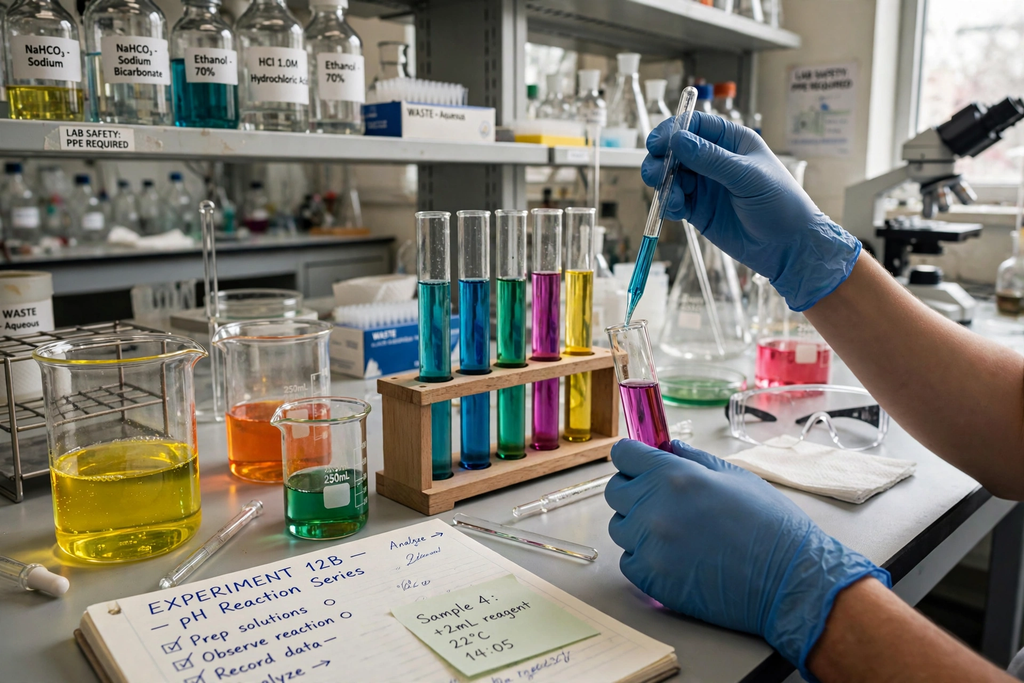
Methylene chloride is an industrial solvent used in paint stripping, degreasing, and chemical manufacturing. It is classified as a likely carcinogen, and inhaling it can cause dizziness, nausea, and damage to the liver and nervous system. It has no place in any product meant to be inhaled.
Its presence in vape products points to a contamination problem in manufacturing or extraction, not an intended ingredient. That distinction matters little to consumers who may have already inhaled it, which is exactly why the recall and the warning went out together.
What Consumers Should Do
If you bought StayCon or Craft vape products in Colorado, check the product names against the recall list published by state health officials. Stop using any affected product immediately. Licensed dispensaries are expected to accept returns of recalled items.
This is also a reminder that regulated markets exist for a reason. Lab testing caught this contamination, and the recall system worked as designed. Products from unregulated sources get no such screening. If you want to understand what safety testing actually covers, our guide on whether vapes are safe and what the science says breaks down the real risks.
Why It Matters
Recalls like this shake consumer trust, but they also show the system working. The contamination was found, the products were pulled, and the public was warned. The bigger question is how many unregulated products with similar problems never get tested at all.
Source: WindBar