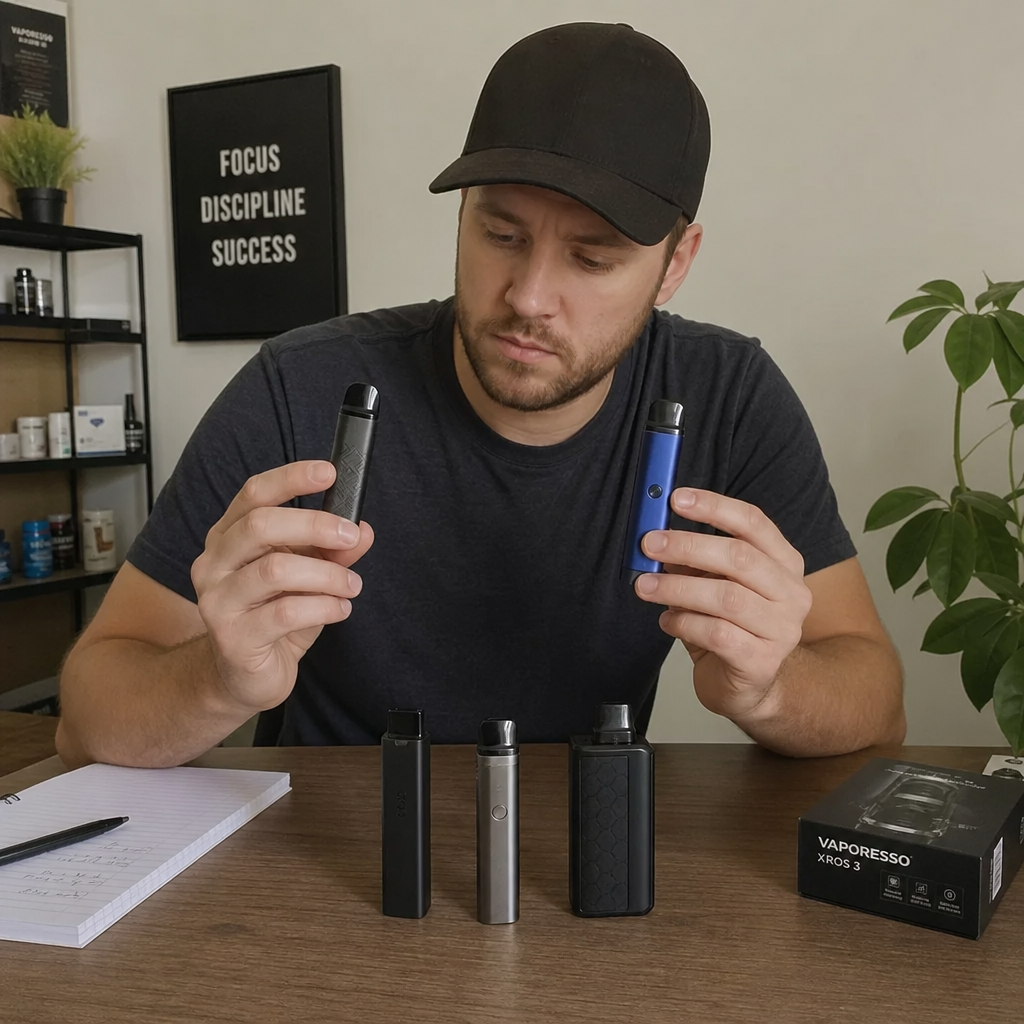

Are e cigarettes the same as vaping? Not exactly. An e-cigarette is the electronic device or product, while vaping is the act of using that device and inhaling the aerosol it produces. The confusion comes from the fact that people commonly use “e-cigarette,” “vape,” and “vaping” interchangeably in everyday conversation. The CDC and FDA also use overlapping terminology, with e-cigarettes commonly referred to as vapes, vape pens, vaporizers, and electronic nicotine delivery systems, or ENDS.
The easiest way to understand it is simple: the vape or e-cigarette is the device, while vaping is the activity.
That distinction becomes more useful when you start looking at disposable vapes, pod systems, vape pens, e-liquid, nicotine, regulations, or health information. A person can own an e-cigarette without using it, but when they activate the device and inhale its aerosol, they are vaping.
Table of Contents
Are E-Cigarettes the Same as Vaping?
The short answer is no, although the terms describe closely connected things.
An e-cigarette is a physical electronic product. Most e-cigarettes have a battery, heating element, and a place to hold liquid. When the device is activated, the heating element warms the liquid and produces an aerosol that can be inhaled.
Vaping describes the action of using that electronic device.
This is similar to the difference between a cigarette and smoking. A cigarette is the product, while smoking is the activity. With electronic cigarettes, the terminology gets slightly messier because “vape” is also widely used as a name for the device itself.
So if someone asks, are e cigarettes the same as vaping, the technically accurate answer is:
No. An e-cigarette is a device, while vaping is the act of using an electronic vaping device.
In normal conversation, though, saying “I bought a vape” and “I bought an e-cigarette” will usually mean the same general type of product.
What Is an E-Cigarette?
An e-cigarette is an electronic device that heats a liquid and produces an aerosol for inhalation.
The FDA describes e-cigarettes, vapes, vaporizers, vape pens, hookah pens, e-cigars, e-pipes, and related products as terms used for electronic nicotine delivery systems. These products generally use an e-liquid that may contain nicotine, flavorings, propylene glycol, vegetable glycerin, and other ingredients.
A basic e-cigarette can contain:
- A battery
- A heating element or coil
- An e-liquid reservoir
- A cartridge, pod, or tank
- A mouthpiece
- An airflow system
- Electronic controls or a draw sensor
Not every device uses the same configuration.
A small disposable vape may have almost everything sealed inside one compact body. A larger refillable device can have a removable tank, replaceable coil, adjustable airflow, variable power, and a rechargeable battery.
Despite those differences, the basic idea remains the same: electrical energy is used to heat a liquid and create an aerosol.
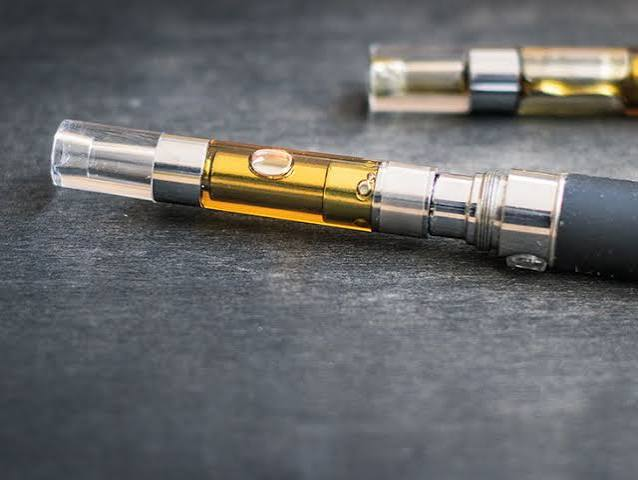
What Does Vaping Mean?
Vaping refers to using an electronic device to inhale the aerosol it produces.
When someone presses a button or takes a draw from an automatic device, the battery supplies power to the heating element. The heating element warms the liquid, producing an aerosol that passes through the mouthpiece.
The CDC specifically says that people commonly refer to using e-cigarettes as “vaping.”
This is why the word vaping describes an activity rather than one particular device.
For example:
- The disposable vape is the device.
- The e-liquid is the liquid inside it.
- The aerosol is what the device produces.
- Vaping is the act of inhaling that aerosol.
That distinction makes the terminology much easier to understand.
E-Cigarette vs Vape vs Vaping
These terms overlap so much that it is easy to assume they are identical.
Here is the practical difference:
| Term | What it usually means | Example |
| E-cigarette | Electronic vaping device | Rechargeable pod |
| Vape | Common name for an e-cigarette or similar device | Disposable vape |
| Vaping | The act of using the device | Inhaling aerosol |
| ENDS | Broader technical and regulatory term | Electronic nicotine delivery system |
The FDA lists vapes, vaporizers, vape pens, hookah pens, electronic cigarettes, e-cigars, and e-pipes among the terminology used for ENDS products.
The CDC likewise says e-cigarettes are sometimes called e-cigs, vapes, vape pens, and ENDS.
So the terminology depends heavily on context.
A vape shop might say “vape” because it is the term consumers recognize. A government document might use “electronic nicotine delivery system.” A health article might use “e-cigarette.”
They can all be referring to closely related products.
How Do E-Cigarettes and Vapes Work?
Although devices vary considerably, most conventional e-cigarettes follow the same basic operating principle.
The Battery
The battery provides the electrical energy needed to operate the device.
Small disposable devices generally use an integrated battery. Rechargeable pod systems can also contain integrated batteries, while some larger devices use removable batteries.
Battery capacity affects how long a device can operate between charges. Power output also influences battery consumption and the amount of aerosol produced.
The Heating Element
The heating element is commonly called a coil.
When electricity passes through the coil, it heats up. E-liquid delivered to the heating area is then heated and converted into an aerosol.
Different coil designs and resistance levels can affect things such as power requirements, vapor production, and how quickly e-liquid is consumed.
The E-Liquid
E-liquid is sometimes called vape juice or vape liquid.
Depending on the product, it may contain:
- Nicotine
- Propylene glycol
- Vegetable glycerin
- Flavorings
- Other ingredients
The FDA explains that e-liquids generally contain nicotine derived from tobacco along with flavorings, propylene glycol, vegetable glycerin, and other ingredients.
The formulation can vary significantly between products.
The Aerosol
The heated liquid produces an aerosol that the user inhales.
People commonly call this “vapor,” which explains the popularity of the word vape. Technically, however, aerosol is the more accurate term.
The CDC specifically warns that e-cigarette aerosol is not simply harmless water vapor. It can contain nicotine, tiny particles, heavy metals, volatile organic compounds, and other potentially harmful substances.
Are All Vapes E-Cigarettes?
In everyday usage, “vape” is commonly used as another name for an e-cigarette.
The situation becomes more complicated when discussing technical or legal definitions.
Modern vaping products come in many forms, including:
- Disposable e-cigarettes
- Refillable pod systems
- Pre-filled cartridge devices
- Vape pens
- Tank systems
- Larger mod devices
- Other electronic nicotine delivery systems
The FDA’s terminology recognizes this broad range of products under the ENDS category.
So when someone asks whether a particular nicotine vape is an e-cigarette, the answer will generally be yes in ordinary usage.
However, legal definitions can vary depending on the product and jurisdiction.
Are Disposable Vapes E-Cigarettes?
Yes. Disposable vapes are generally a type of e-cigarette.
The main difference is how the device is designed to be used.
A disposable device normally comes pre-filled with e-liquid and is not designed to be refilled. Some disposable devices have rechargeable batteries, while others are designed to be used until the battery or liquid is depleted.
The CDC identifies disposable e-cigarettes as one of the main types of e-cigarette products, alongside refillable devices and devices using pre-filled cartridges or pods.
This means terms such as disposable vape, disposable e-cigarette, and disposable electronic cigarette can refer to the same broad product category.
The exact construction still varies from one product to another.
Are Vape Pens the Same as E-Cigarettes?
A vape pen is generally a type of vaping device and can fall within the broader e-cigarette or ENDS category.
The name “vape pen” mainly describes the shape and style of the device. Some are designed for nicotine e-liquid, while other electronic vaporizing products can be designed for different substances.
A typical nicotine vape pen may contain a battery, heating element, cartridge or tank, and mouthpiece.
The FDA specifically includes vape pens among the products commonly described as ENDS.
So a vape pen is not necessarily a completely separate category from an e-cigarette.
What Is an ENDS Device?
ENDS stands for Electronic Nicotine Delivery System.
It is a broader term used when discussing electronic products designed to deliver nicotine through an aerosol.
The FDA describes ENDS as including products commonly known as e-cigarettes, vapes, vaporizers, vape pens, e-cigars, and e-pipes.
This terminology is particularly useful in regulatory discussions because modern products can look very different.
One device might resemble a cigarette. Another might look like a USB drive. A third could be a large tank system with adjustable power.
Their appearance may be completely different, but the broader category can still apply.
Is Vape Juice the Same as E-Liquid?
In most everyday conversations, yes.
E-liquid, vape juice, and vape liquid are commonly used to describe the liquid used inside an electronic vaping device.
The liquid itself is not the vape.
That is another distinction worth remembering:
Device: e-cigarette or vape
Liquid: e-liquid or vape juice
Activity: vaping
A product description might use any of these terms depending on the audience.
The FDA also uses the term e-liquid when describing the liquid used in ENDS products.
Is Vaping the Same as Smoking?
No.
Smoking and vaping involve different mechanisms.
A conventional cigarette burns tobacco. An e-cigarette normally heats an e-liquid to create an aerosol.
FDA describes this difference between combustible cigarettes and e-cigarettes, noting that e-cigarettes use e-liquid rather than burning tobacco in the way a traditional cigarette does.
| Smoking | Vaping |
| Burns tobacco | Heats e-liquid |
| Produces smoke | Produces aerosol |
| Uses combustion | Uses electrical heating |
| Traditional cigarette | E-cigarette or vape |
| Tobacco combustion occurs | E-liquid is heated |
That does not mean vaping is harmless.
The CDC states that no tobacco products, including e-cigarettes, are safe. E-cigarette aerosol can contain potentially harmful substances, and most e-cigarettes contain nicotine.
The distinction is about how the products work, not a statement that one is risk-free.
Is Vape Aerosol Just Water Vapor?
No.
This is one of the most common misconceptions about vaping.
The visible cloud may look similar to steam, but the material produced by an e-cigarette is an aerosol created from heated e-liquid.
The CDC says e-cigarette aerosol can contain nicotine, cancer-causing chemicals, heavy metals such as nickel, tin and lead, volatile organic compounds, and tiny particles that can reach deep into the lungs.
The contents can vary depending on:
- The e-liquid
- Device design
- Heating conditions
- Ingredients
- Coil characteristics
- Product quality
For that reason, describing every vape cloud as “water vapor” gives an incomplete picture of what is actually being inhaled.
Do All E-Cigarettes Contain Nicotine?
No.
Most e-cigarettes contain nicotine, but nicotine-free products are also marketed.
The CDC says most e-cigarettes contain nicotine and notes that some products marketed as containing zero percent nicotine have been found to contain nicotine.
Nicotine concentration can also vary substantially between products.
Some modern devices use nicotine salts, which can allow relatively high nicotine concentrations while producing less of the harsh throat sensation associated with some freebase nicotine formulations.
So the word “vape” alone does not tell you how much nicotine a product contains.
You have to look at the specific product and its labeling.
Can E-Cigarettes Contain Cannabis?
Some electronic devices can be used to deliver substances other than nicotine.
The CDC notes that some e-cigarettes can be used to deliver cannabis and other drugs.
However, this does not mean nicotine vaping and cannabis vaping are legally identical.
Cannabis laws vary by jurisdiction, and rules can cover possession, cultivation, manufacturing, sales, testing, packaging, and product types.
If you are researching cannabis laws separately, our guide on in what states is growing weed legal addresses a different question from the terminology covered here.
The important point is that the word “vape” by itself does not identify the substance inside the device.
Are E-Cigarettes Tobacco Products?
In the United States, e-cigarettes can be regulated as tobacco products under federal tobacco law.
That sometimes seems strange because many people associate tobacco products with cigarettes, cigars, or loose tobacco.
The federal definition and regulatory framework are broader.
FDA regulates the manufacture, import, packaging, labeling, advertising, promotion, sale, and distribution of ENDS and their components and parts under its tobacco authority.
This is why e-cigarette regulation can involve requirements that have nothing to do with whether the device visually resembles a cigarette.
A disposable vape, pod device, vape pen, or larger electronic device can still fall within the relevant regulatory framework.
Are E-Cigarettes FDA Approved?
This phrase needs some clarification.
FDA maintains a list of e-cigarettes that it has authorized for marketing in the United States. The agency specifically says that being authorized to market a tobacco product does not mean the product is safe or “FDA approved.”
That distinction is important.
Marketing authorization means the product has gone through the applicable tobacco regulatory process and can be legally marketed under the conditions of that authorization.
It does not mean FDA has declared the product harmless.
The FDA’s authorized list is also not the same thing as a general statement that every product sold in stores is authorized.
Are E-Cigarettes Safe?
No tobacco product is considered safe.
The CDC states that there are no safe tobacco products, including e-cigarettes. It also notes that most e-cigarettes contain nicotine and that their aerosol can contain potentially harmful substances.
That does not mean every e-cigarette produces exactly the same exposure.
Different devices and liquids can have different ingredients, nicotine concentrations, heating characteristics, and designs.
For that reason, broad statements about “vaping” should be interpreted carefully.
For someone who does not currently use tobacco or nicotine, public health agencies do not recommend starting e-cigarette use.
Are E-Cigarettes Less Harmful Than Cigarettes?
This question needs more context than a simple yes or no.
FDA says non-combusted tobacco products, including e-cigarettes, generally have lower health risks than combustible cigarettes. At the same time, FDA emphasizes that no tobacco product is safe.
The CDC similarly says e-cigarettes may potentially benefit adults who already smoke if they are used as a complete substitute for smoked tobacco products. It also emphasizes that e-cigarettes are not risk-free and that more research is needed regarding their short and long-term effects.
This creates an important distinction between relative risk and absolute safety.
Something can have fewer harmful chemicals than cigarette smoke without being harmless.
That is why “vaping is safer” and “vaping is safe” should never be treated as identical statements.
Why Do People Call E-Cigarettes “Vapes”?
The word “vape” became popular because modern electronic devices do not necessarily look like cigarettes.
Early electronic cigarettes were often designed to resemble conventional cigarettes.
Modern devices can look completely different.
They may resemble:
- Small pens
- Pods
- USB devices
- Compact electronics
- Tubes
- Larger box-shaped devices
The word “vape” became a simple umbrella term that people could use regardless of the device’s shape.
Government agencies now use the terminology too. The CDC describes e-cigarettes as also being called e-cigs, vapes, vape pens and ENDS.
Does the Difference Between E-Cigarettes and Vaping Matter?
For casual conversation, probably not very much.
If somebody says, “I bought a vape,” most people understand what they mean.
The distinction becomes more useful when discussing regulations, health research, product specifications, or technical information.
For example, the sentence “vaping produces aerosol” describes an activity and its result.
The sentence “a disposable e-cigarette contains a battery and pre-filled e-liquid” describes a specific type of product.
Both statements can be correct, but they are talking about different parts of the same subject.
What About Geek Bars and Other Disposable Vapes?
Geek Bar is a useful example of why the terminology can become confusing.
A Geek Bar product is commonly described as a disposable vape. The physical product is the device, while using that device is vaping.
The important point is that a brand name does not automatically determine the legal status of every product in every location.
Product authorization, state laws, local restrictions, ingredients, labeling, marketing, and other factors can affect whether a particular product can legally be sold.
That is why readers searching are Geek Bars banned should look at the specific jurisdiction and the exact product involved.
The same principle applies to searches for why are Geek Bars banned. A restriction affecting a product in one jurisdiction does not automatically establish the same rule everywhere.
What About Vape Laws in Texas?
Texas is another example of why the words “vape” and “e-cigarette” should not be treated as a complete legal analysis by themselves.
State laws can regulate the sale, possession, use, advertising, age requirements, and characteristics of vaping products.
Federal and state rules can also operate at the same time.
If you are specifically researching the Texas question, our related guide on are vapes banned in Texas is the better place to look at the state’s rules in detail.
The broader lesson is simple: a product can be commonly called a “vape” while the law may use a more precise definition.
E-Cigarette vs Vaping: The Simple Answer
If you only remember one thing from this article, remember this:
An e-cigarette is the device. Vaping is the act of using the device.
The terms overlap because “vape” is commonly used as another name for an e-cigarette.
Here is the quick comparison:
| Question | Answer |
| Are e cigarettes the same as vaping? | No, but they are closely related |
| What is an e-cigarette? | An electronic vaping device |
| What is vaping? | The act of using an electronic vaping device |
| Is a vape an e-cigarette? | Usually, in common usage |
| Is a disposable vape an e-cigarette? | Generally yes |
| Is a vape pen an e-cigarette? | It can be a type of e-cigarette or ENDS |
| Is vaping the same as smoking? | No |
| Is vape aerosol just water vapor? | No |
| Do all e-cigarettes contain nicotine? | No |
| Are e-cigarettes regulated as tobacco products in the U.S.? | Yes, under the federal tobacco framework |
The terminology sounds complicated because the industry uses several overlapping names.
Once you separate the device from the activity, most of the confusion disappears.
Frequently Asked Questions
Are e-cigarettes the same as vaping?
No. An e-cigarette is the electronic device, while vaping describes the act of using that device and inhaling its aerosol. People commonly use the terms interchangeably in everyday conversation.
Is a vape the same thing as an e-cigarette?
Usually, yes in everyday language. The CDC and FDA both use “vape” as one of the common terms for electronic cigarettes and related ENDS products.
What is the difference between vaping and smoking?
Smoking involves burning tobacco and producing smoke. Vaping generally involves electrically heating e-liquid to produce an aerosol, so the underlying process is different.
Is a disposable vape an e-cigarette?
Yes. Disposable devices are one type of e-cigarette. They generally come pre-filled and are designed not to be refilled.
Are vape pens considered e-cigarettes?
Vape pens are commonly included within the broader category of electronic nicotine delivery systems. FDA lists vape pens among the products commonly described as ENDS.
Do all e-cigarettes contain nicotine?
No. Most e-cigarettes contain nicotine, but nicotine-free products also exist. The CDC has also reported that some products labeled as containing zero percent nicotine have been found to contain nicotine.
Is vaping just inhaling water vapor?
No. E-cigarettes produce an aerosol from heated liquid. The CDC says this aerosol can contain nicotine, tiny particles, metals, volatile organic compounds, and other potentially harmful substances.
Are Geek Bars e-cigarettes?
Geek Bar products are commonly categorized as disposable vaping products. Whether a specific Geek Bar product can legally be marketed or sold depends on the applicable federal, state, and local rules.
Are vapes banned in Texas?
It is not accurate to describe every vape as simply banned in Texas. Texas has specific laws governing vaping products, and the applicable rule can depend on the product and activity involved.
Are e-cigarettes FDA approved?
FDA distinguishes marketing authorization from “FDA approval.” The agency says products on its authorized e-cigarette list may be lawfully marketed under the applicable rules, but authorization does not mean the products are safe or “FDA approved.”
Are e-cigarettes safer than cigarettes?
FDA states that non-combusted tobacco products such as e-cigarettes generally have lower health risks than combustible cigarettes, but also makes clear that no tobacco product is safe.
Final Takeaway
So, are e cigarettes the same as vaping?
Not technically.
An e-cigarette is the physical electronic device, while vaping is the activity of using that device. The word “vape” can refer to either the device or the broader category of vaping products, which is why the terminology often sounds interchangeable.
The FDA and CDC use several overlapping terms, including e-cigarette, vape, vape pen, vaporizer, and ENDS, because electronic nicotine delivery products come in many different designs.
Understanding that basic distinction makes it much easier to understand related topics such as disposable vapes, pod systems, e-liquid, nicotine, aerosol, FDA authorization, and state vape laws.