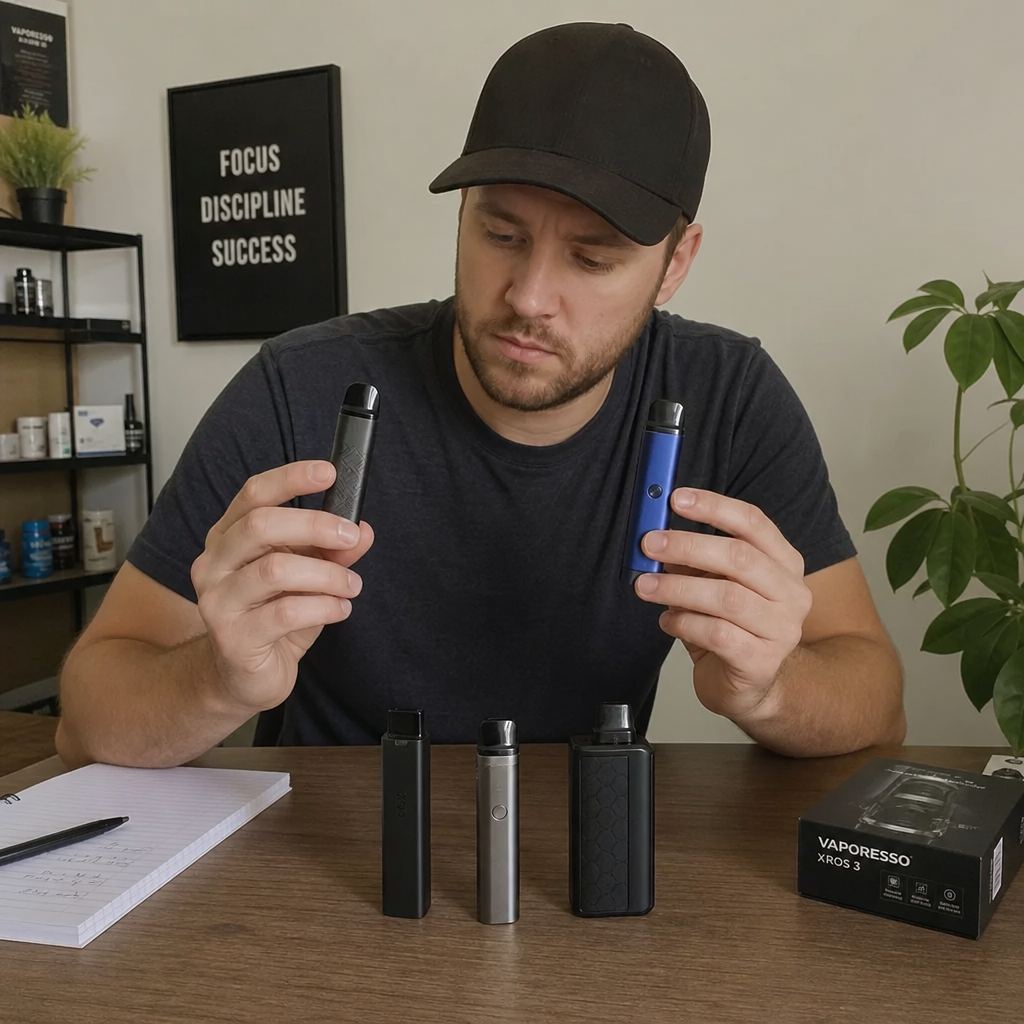

A used vape is a small box of useful materials, lithium, copper, aluminium and plastic, wrapped around a genuine fire hazard. Every year in the UK, crushed batteries from binned vapes set fire to bin lorries and recycling plants. The UK has clear rules for how a finished device should be handled, and getting it right takes less effort than you think. This guide walks through all of it: what the law says, where your old kit actually goes, what to do with every device type, and the short list of things you must never do.
Why your vape counts as electrical waste, not household rubbish
Pick up any vape device and look for a small symbol: a wheelie bin with a cross through it. That crossed-out wheelie bin marks the device as WEEE, which stands for Waste Electrical and Electronic Equipment. It is the same legal category as toasters, kettles and phone chargers, and it carries one blunt instruction. The device must not go into general waste.
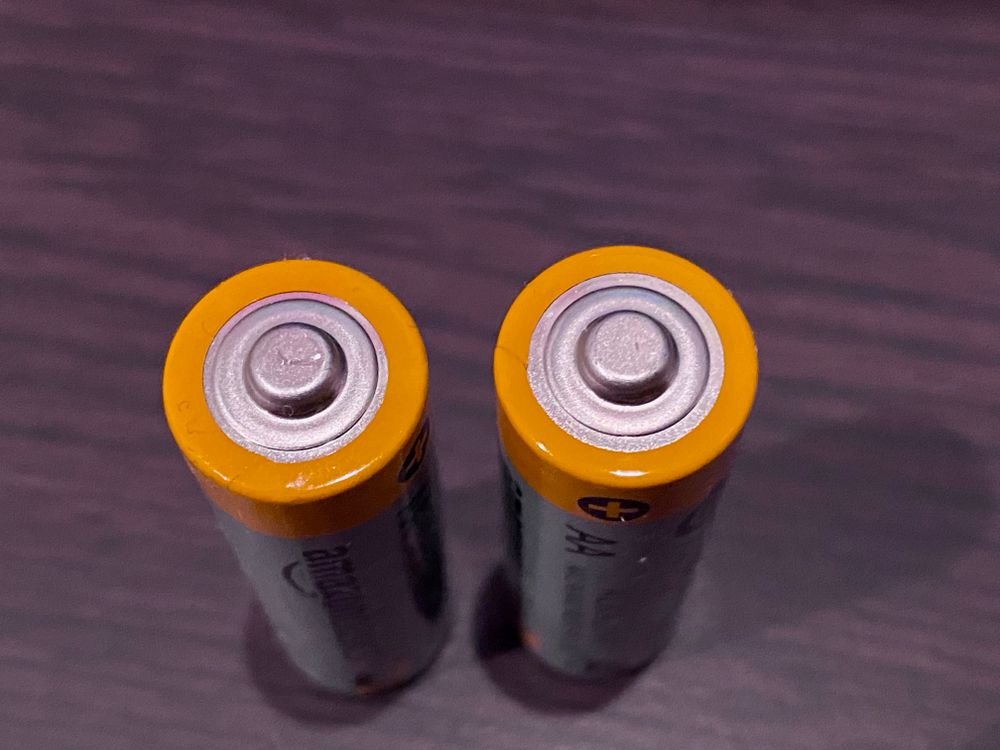
The reason is what sits inside. Almost every vape contains a lithium battery, and many have one sealed inside the casing where you cannot remove it. Alongside the battery there is a metal heating coil, a circuit board, plastic housing and, in most devices, some leftover e-liquid. Crushed in a bin lorry or squeezed through a sorting plant, a damaged lithium cell can go into thermal runaway, a chain reaction where the battery heats itself faster than it can cool down.
So the first rule of vape disposal is simple. If it has a battery, a plug or a charging cable, it is electrical waste. It gets an electrical-waste route out of your home. Everything else in this guide follows from that.
What goes wrong when a vape goes in the wrong bin
Two bad things happen, and both are worse than most people assume.
The first is fire. When vapes end up in household bins, the batteries get crushed alongside everything else. Estimates put the number of bin lorry and recycling centre fires linked to disposable vapes at more than 700 in a single year, and the real figure is almost certainly higher because not every incident is traced back to its cause. These fires endanger bin crews and shut down recycling facilities for days.
The second is waste on an enormous scale. At the peak of the disposable era, an estimated five million single-use vapes were being littered or thrown into general waste in the UK every single week. Each one carried a battery, copper and plastic that could have been recovered. In one year alone, an estimated 40 tonnes of lithium from discarded disposables was lost. What ends up in landfill instead leaches nicotine, heavy metals and microplastics into soil and waterways for years.
There is also a quieter risk inside your own home. A damaged or swollen battery sitting in a drawer or a hot car can short and ignite. If a device looks puffy, feels hot or smells wrong, it should go to a proper drop-off point immediately, stored somewhere cool and non-conductive until you can get there.
Your four proper drop-off routes in the UK
There is no single national vape collection scheme in the UK yet. That is a genuine gap, and it is worth knowing about, because it means the right route depends on what is near you. In practice, every vaper has access to at least one of these four options.
1. Take it back to a vape shop. Since April 2024, every UK vape retailer has been legally required to offer free in-store take-back of waste vapes. Any brand, any point of sale, no purchase necessary. If you bought it in one shop, you can return it to another. Smaller retailers can join a funded distributor scheme instead of running their own collection, but the principle is the same: shops that sell vapes must give you a way to hand them back. If your local shop does not seem to know about this, it is their obligation, not your problem.
2. Use your council recycling centre. Household Waste Recycling Centres, the local tips, accept vapes in their small electricals or WEEE bins. It costs nothing, and it is the best option if you have a few devices saved up. Check your council’s website first, because not every site organises its electricals bins the same way, but virtually all of them take vapes now.
3. Use supermarket battery points for loose cells. If your device has removable batteries, the cells themselves do not belong with the vape. Supermarkets, electronics shops and DIY stores commonly run battery collection tubes and boxes near their entrances. These are for loose batteries only, not whole vapes.
4. Look for in-store vape disposal bins. Many vape shops now run their own collection bins, some with loyalty incentives for returning used devices. These sit alongside the legal take-back obligation, so they are a bonus rather than the whole system.
One table: where each device type goes
This is the part people get wrong most often, because different kits need slightly different handling.
| Device type | Where it goes | Before you drop it off |
|---|---|---|
| Disposable vapes, including pre-ban leftovers | Retailer take-back, council recycling centre small electricals bin, or shop vape bin | Keep the device whole and intact |
| Pod kits and prefilled pod systems with built-in batteries | Retailer take-back or council recycling centre small electricals bin | Keep the device whole; remove the pod if it separates easily |
| Mods and kits with removable batteries | Device body to small electricals bin; batteries to a battery collection point | Take the batteries out; tape both terminals of each cell |
| Loose vape batteries (18650, 21700 and similar) | Supermarket or retailer battery collection point | Tape the terminals; store in a non-conductive container |
| Empty e-liquid bottles | Household plastic recycling | Rinse out residue under warm water first |
| Part-full e-liquid bottles | Council recycling centre, ask staff about liquid hazardous waste | Do not pour down the sink or drain |
| Used coils | Council recycling centre metals or small electricals area | Rinse off e-liquid residue where practical |
What to do with each kind of kit
Disposables, including ones from before the ban. Since the disposable vape ban ended single-use vape sales in June 2025, shops no longer sell them, but drawers across the country are still full of them. Personal possession remains legal, and you can still finish what you have. When a disposable is dead, the whole device goes back to a shop or to your council’s small electricals bin, exactly as it is. Never try to open it, pry out the battery or strip it for parts. The casing is keeping a punctured-looking battery safe, and your screwdriver is the worst thing that can happen to it.
Pod kits with built-in batteries. This is now the most common kit type in the UK. The rules are the same as for disposables: the whole device goes to retailer take-back or the council’s electricals bin. If the pod pops out easily, you can separate it, but do not force anything apart. A pod that still has life in it can stay on the device; there is no requirement to drain anything first.
Mods with removable batteries. This is the one case where a little prep is needed. Take the batteries out of the device. Put a small strip of electrical or clear tape over the positive and negative terminals of each cell, which stops them shorting against each other or against metal objects in transit. The taped cells go to a battery collection point, and the battery-free device body goes to the small electricals bin. Storing loose cells? Keep them somewhere cool, dry and away from metal, in a plastic battery case or a non-conductive container, and never loose in a pocket or bag with keys and coins.
E-liquid bottles. This is the part almost every guide glosses over. An empty 10ml bottle is just plastic: rinse out the last drops under warm water, let it dry, and it goes in your normal household plastic recycling. A bottle that still has a noticeable amount of liquid in it is different. Nicotine is toxic to aquatic life at concentration, so never pour leftover e-liquid down the sink, the toilet or a drain. Take part-full bottles to your council recycling centre and ask the staff where liquid hazardous waste goes.
Coils. Used coils are small lumps of metal with some cotton and e-liquid residue. Rinse off what you can and drop them in with metals or small electricals at the recycling centre. If a pod still works, clean your vape tank properly and keep using it; every extra week of life is one less device in the waste stream.
Five things you must never do
- Never dismantle or puncture a vape to get the battery out. The battery is the dangerous part. Sealed devices are designed to keep it contained, and forcing them open is how fires and chemical burns happen.
- Never put vapes in your general waste bin or your home recycling bin. The lithium cell does not care which bin you chose; it will ignite just as happily in a recycling truck as in a refuse lorry.
- Never pour e-liquid down the drain or flush it. Nicotine harms aquatic ecosystems, and wastewater treatment is not designed to strip it out.
- Never store damaged batteries and hope for the best. A swollen, leaking or hot battery is an emergency in slow motion. Tape the terminals, isolate it in a non-conductive container somewhere cool, and get it to a collection point the same day.
- Never assume someone else’s bin is a better option. Street litter bins, office waste bins and public recycling bins all feed the same collection trucks. A vape dropped in any of them is a vape in general waste.
The bigger picture: millions of devices, and what comes next
The single biggest thing any vaper can do is generate less waste in the first place. A refillable device replaces dozens or hundreds of throwaway units over its life: one battery you keep for years, and small bottles or pods instead of a whole new device every few days. It is cheaper over time too. If you have not made the switch, our roundup of the best refillable vapes is a good place to start. The wider best vape guide covers what is worth buying right now. Whether you are vaping to quit smoking or dealing with a persistent vaping cough, the disposal rules stay exactly the same.
It is also worth remembering why many people vape at all. Plenty of smokers switched after weighing up smoking versus vaping, and keeping the habit’s waste footprint small is part of making that switch a genuinely better choice.
Your disposal checklist, step by step
When a device is finished, run through this once and you are done.
- Stop using it. A dead disposable or a retired kit goes in your designated spot, not the kitchen bin.
- Keep it whole. Do not open, puncture or strip it. Leave sealed batteries exactly where they are.
- If the batteries come out, remove them, tape both terminals, and store them in a non-conductive container.
- Rinse empty e-liquid bottles and put them in household plastic recycling. Bag up part-full bottles for the recycling centre.
- Pick your route: hand devices back at a vape shop, drop them at the council’s small electricals bin, or use a shop vape bin. Take loose batteries to a supermarket battery point.
- If anything is damaged, swollen or hot, skip the waiting and take it to a drop-off point immediately.
That is the whole process. Six steps, no special equipment, and a fire risk removed from the waste stream.
Frequently asked questions
Can I put a vape in my household bin if the battery is dead?
No. A “dead” battery still holds enough charge to short and ignite when crushed. Every vape, working or not, is electrical waste and must go to a take-back point or a council electricals bin.
Do vape shops really have to take my old vape back?
Yes. Since April 2024, UK vape retailers have been legally required to offer free in-store take-back of waste vapes, whatever the brand and wherever you bought it. You do not need to buy anything to use the service.
What should I do with disposables I bought before the sales ban?
Using them is still legal, since the ban covers sale and supply, not personal possession. When each one is finished, recycle it exactly like any other vape: whole and intact, through retailer take-back or your council’s small electricals bin.
Can I recycle vapes through my council’s kerbside collection?
Generally no. Kerbside recycling is not set up to handle lithium batteries safely, and a vape in the recycling box is as dangerous as one in the general waste bin. Some councils run separate small-electricals collections, so check your council’s website, but the default answer is to use a drop-off point.
What do I do with a swollen or leaking battery?
Treat it as urgent. Do not charge it, do not puncture it, and do not put it in any bin. Tape the terminals if you can do so safely, place it in a non-conductive container away from anything flammable, and take it to a battery collection point or recycling centre the same day.
Is it actually illegal to bin a vape, or just bad practice?
Vapes are legally classified as WEEE, which means they must not go into general household waste. For retailers the obligations are explicit and carry fines, and for individuals it is both a legal classification issue and a genuine safety hazard. Either way, do not do it.
Getting vape disposal right is one of the easiest wins in vaping. No new habits to build, no money to spend, just a different bin. Hand the device back, drop the batteries at the supermarket, rinse the bottles, and the whole chain, from bin crew to recycling plant to the materials that come back as new products, works the way it is supposed to. For more practical guides, keep an eye on VapeFeat.