
Seven days, two meetings, one argument
Manila is about to host back-to-back meetings that could reshape how governments across Asia, and eventually the wider world, tax and regulate vapes. The first is a harm reduction forum on October 16 and 17. The second is the 77th session of the World Health Organization's Regional Committee for the Western Pacific, running October 19 through 23.
On the table at the second meeting is a tobacco control discussion that proposes raising prices across all tobacco and nicotine products, extending taxation to e-cigarettes and other nicotine products wherever they are legally sold, and telling countries to ban or strictly regulate vapes, heated tobacco products, and nicotine pouches.
If you vape in the United States or the United Kingdom, a committee session in Manila might sound distant. It is not. Regional resolutions ripple outward. Health ministries quote them, finance ministries borrow their language, and the precedents set in one region have a habit of surfacing in another a year or two later.
This is a plain-English guide to what is being proposed, why the legal logic behind it is contested, and what to watch as the meeting unfolds.
What RC77 actually is
The Regional Committee for the Western Pacific is the WHO's governing body for the region. It meets once a year, and the 2026 edition is its 77th session, held in Manila from October 19 to 23. The region covers 37 countries and areas and more than two billion people, stretching from China and Japan to New Zealand and the Pacific island states.
Each session works through an agenda of health items. This year, tobacco control sits among the technical agenda items, filed as WPR/RC77/9, paired with a situational analysis meant to accelerate progress toward the region's 2030 target: a 30 percent relative reduction in tobacco use.
The target itself is not new. What is new is the language in the draft discussion paper, which goes further on taxation and product restrictions than previous regional guidance.
Proposal one: tax everything with nicotine
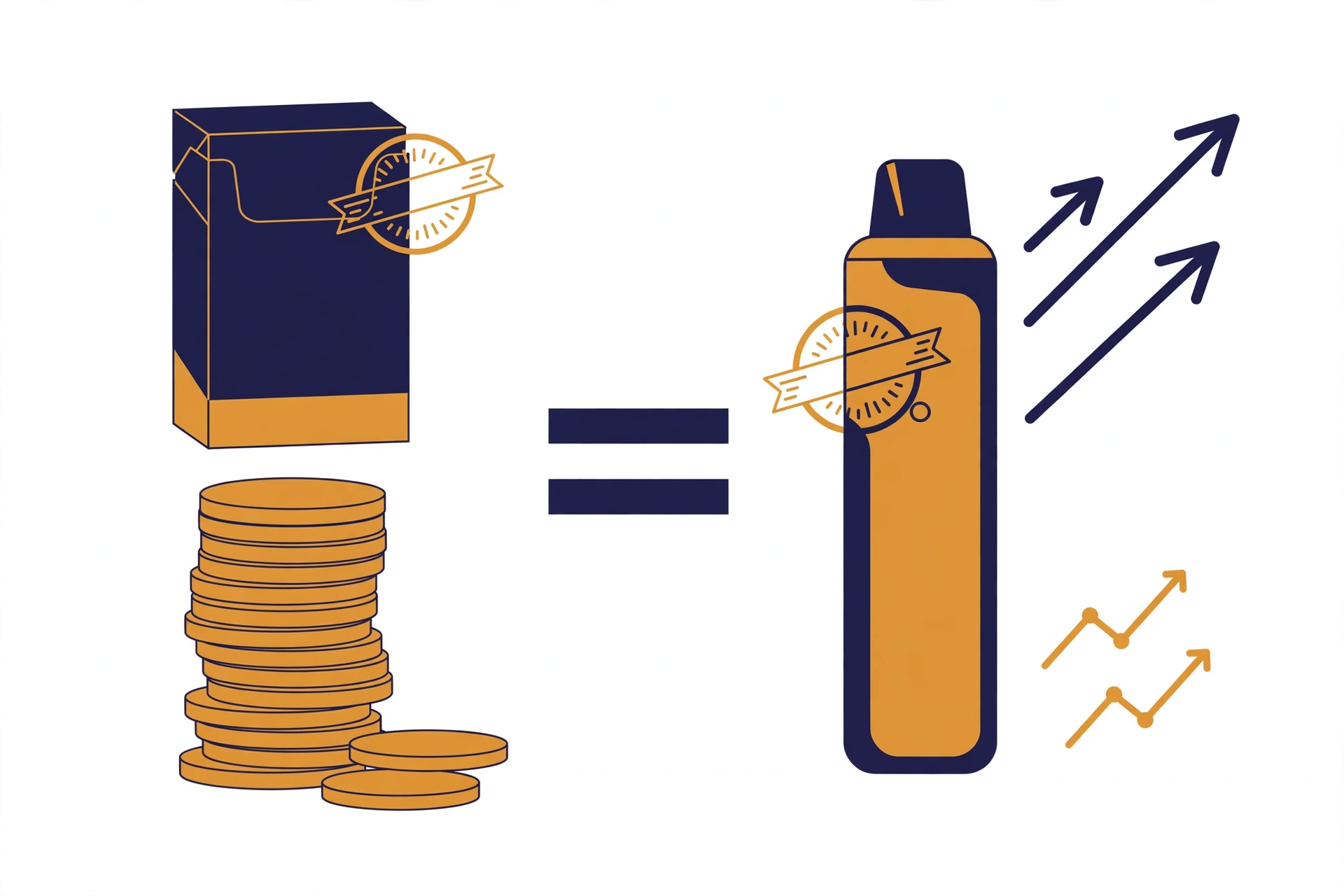
The core of the draft is easy to summarize. Prices should rise on all tobacco and nicotine products, guided by Article 6 of the WHO Framework Convention on Tobacco Control, the part of the treaty covering price and tax measures. The draft then adds the sentence that changes everything: taxation must also extend to e-cigarettes and other nicotine products where they are legally sold.
In practice, that means vapes would be treated like cigarettes for tax purposes. The same price levers governments use to discourage smoking would be pointed at the products many smokers use to leave cigarettes behind.
Why does that matter? Because taxation does two things at once. It raises government revenue, and it changes consumer behavior by making a product more expensive. When the tax lands on cigarettes, the behavioral goal is to push smokers away from smoking. When the same tax lands on vapes, the push can work in reverse, making the alternative costlier than the thing it replaces. That tension sits at the heart of this proposal, and it is why the debate around it is so fierce.
Proposal two: ban or strictly regulate
The draft does not stop at taxes. It instructs countries to ban or strictly regulate e-cigarettes, heated tobacco products, and nicotine pouches.
In the Western Pacific, that instruction lands on a region already deeply divided. Several countries in Southeast Asia already ban vapes outright. Others, such as New Zealand, regulate them as legal consumer products. The draft would push the holdouts toward the stricter end of the spectrum and give the strictest countries fresh international cover for what they are already doing.
What the draft would mean for vapers, side by side
| What the draft proposes | What it could mean for vapers |
|---|---|
| Higher prices on all tobacco and nicotine products under Article 6 | Vapes get taxed like cigarettes, raising the cost of switching and of staying switched |
| Taxation extended to e-cigarettes where legally sold | Countries with legal vape markets could add dedicated vape taxes, similar in spirit to the UK vape tax already on the books |
| Countries told to ban or strictly regulate vapes, heated tobacco, and pouches | Legal markets could shrink or close; product variety and access would fall |
| Faster progress toward a 30% tobacco-use cut by 2030 | Governments under pressure to show results, which usually means stricter enforcement rather than gentler rules |
The legal fight: Article 6 is about tobacco, not nicotine
Here is where critics say the draft overreaches. Article 6 of the Framework Convention on Tobacco Control deals with price and tax measures to reduce demand for tobacco. The operative word is tobacco. The article was written for cigarettes and other tobacco products. Vapes contain no tobacco. Nicotine pouches contain no tobacco. Heated tobacco products do, which puts them in a grayer zone, but the pure nicotine alternatives sit outside the article's original scope.
The counterargument is straightforward. Stretching a tobacco treaty article to cover non-tobacco nicotine products reinterprets the treaty without amending it. Treaties are amended by their parties, not by secretariat discussion papers. If delegates adopt language that treats Article 6 as covering all nicotine, that reading could later be cited in negotiations as settled interpretation.
Supporters of the draft would answer that the treaty's purpose is to reduce the harm of tobacco use, and that nicotine products, whatever their risk profile compared with cigarettes, still carry health risks and appeal to young people. The Manila session is where those two readings collide.
The numbers that make the plan uncomfortable
The draft's own analysis finds that only 8 of the region's 26 reporting countries are on track for the 30 percent reduction by 2030. That shortfall is the problem the proposals are trying to solve. But the identity of the top performers is where things get awkward for the draft's approach.
| Country or area | Projected reduction by 2030 | Policy toward alternatives |
|---|---|---|
| New Zealand | 51% | Vapes legal and regulated |
| Japan | 33.2% | Heated tobacco widely available |
| South Korea | 32.6% | Heated tobacco available |
New Zealand is on track to cut tobacco use faster than anyone else in the region while vapes remain legal and regulated. Japan and South Korea, both also on track, are markets where heated tobacco products are broadly available. The three best performers all give adult smokers access to lower-risk alternatives. The draft paper does not name them or ask what they did differently.
That does not prove the alternatives caused the declines. Smoking trends move for many reasons: taxes, advertising bans, smoke-free laws, public awareness campaigns. But it does complicate a plan that proposes taxing and restricting exactly the products available in the places making the fastest progress.
For context on why the risk gap between products matters so much to this debate, our breakdown of vaping versus smoking walks through the evidence in plain terms.
The other meeting in Manila
Five days before the committee sits, the Asia Forum on Nicotine (AFN26) convenes in Manila on October 16 and 17. Seventeen speakers from ten countries are scheduled for two days of discussion on tobacco harm reduction policy, with in-person seats in Pasig City and a free live stream for virtual attendees.
The forum's organizers plan to table an Asia-Pacific declaration on nicotine policy just before the WHO session opens. The timing is deliberate: put a competing set of recommendations, grounded in the region's own experience, in front of delegates before they negotiate the final text.
The contrast between the two meetings is the story of October in one frame. One room will debate how to make nicotine products more expensive and harder to get. The other will argue that affordable access to alternatives is what is driving the region's biggest success stories.
Why a Manila vote reaches London and Chicago
International health resolutions do not bind anyone directly. No parliament is forced to copy them. But they shape the default. When a finance ministry in Asia weighs a vape tax, a WHO regional committee resolution is the easiest citation available. And regulatory ideas travel across borders.
In the US, the landscape runs through authorization rather than taxation. The FDA list of authorized vapes shows how narrow the legal market already is, and a global push toward bans and strict regulation would strengthen the hand of everyone arguing that market should stay small.
Higher prices anywhere also ripple through the supply chain. Anyone watching vape juice prices knows taxes compound quickly once they are in place, and a Manila resolution endorsing vape taxes would make new ones easier to justify elsewhere.
None of this is decided yet. That is precisely why the next two weeks matter.
The calendar to watch
- October 16-17: The Asia Forum on Nicotine meets in Manila and tables its declaration.
- October 19: The 77th session of the Regional Committee for the Western Pacific opens.
- October 19-23: Delegates debate the agenda, including the tobacco control item, and negotiate the final wording of any resolutions.
- Late October onward: Member states return home with adopted language. Watch for it to surface in national consultations, tax proposals, and parliamentary debates over the following months.
What happens next
The most likely outcome is a resolution that keeps the tax and restriction language in some form, possibly softened during negotiation. Delegates rarely reject a secretariat paper outright; they amend it. The fight will be over individual sentences: whether the call to extend taxation to e-cigarettes survives, whether "ban or strictly regulate" stays or becomes simply "regulate," and whether any mention of the successful countries' approaches makes it into the final text.
For vapers, the practical takeaway is simple. The global direction of travel is toward higher prices and tighter rules, and the arguments are being written down in meeting rooms most of us will never enter. Reading the drafts before they become resolutions is the only way to see what is coming.
We will be tracking the Manila session as it unfolds. Follow the ongoing coverage on the VapeFeat homepage, and check back after October 23 for what the final text actually says.